Traditional Turkish Revani Cake with Rose Water Syrup
Revani is one of Turkey's most beloved desserts, a tender semolina cake that's baked until golden and then drenched in a fragrant rose water syrup. This traditional sweet has graced Turkish tables for centuries, served at celebrations, holidays, and family gatherings. The combination of fine semolina and yogurt creates an incredibly moist texture that soaks up the aromatic syrup beautifully, while pistachios add a delightful crunch and visual appeal.


The Art of Turkish Syrup Cakes
Revani belongs to a family of Middle Eastern desserts called sherbet tatlisi, or syrup sweets, which are characterized by being soaked in flavored sugar syrup after baking. This technique, perfected over centuries in Ottoman palace kitchens, creates desserts with an incredible shelf life and intensely satisfying sweetness. The semolina flour gives Revani a unique texture that's denser than regular cake but still wonderfully tender, with a slight graininess that provides structure to hold all that delicious syrup. Unlike Western cakes that can become soggy when wet, semolina-based cakes are designed to absorb liquid while maintaining their integrity.
The key to mastering Revani lies in understanding the relationship between hot cake and warm syrup. When you pour cooled or room-temperature syrup over hot cake, it creates the perfect absorption rate—too hot on both sides and the cake can become mushy, too cool and the syrup sits on top rather than penetrating. The yogurt in the batter serves multiple purposes: it adds moisture, creates tenderness through its acidity, and contributes a subtle tang that balances the sweet syrup. This is why Revani never tastes cloyingly sweet despite being drenched in sugar syrup—the yogurt and lemon provide beautiful balance.
💡 Professional Tip
Always cut the cake into portions before adding syrup. This allows the syrup to penetrate from all sides, ensuring every piece is evenly soaked. The cuts also create beautiful serving portions and prevent the cake from falling apart when you try to slice it later.
Frequently Asked Questions
Absolutely! Revani actually improves after sitting for several hours or even overnight as the flavors meld and the syrup distributes more evenly. Store covered at room temperature for up to 3 days, or refrigerate for up to 5 days. Many Turkish families make it a day ahead for special occasions. Just add the pistachio garnish and powdered sugar right before serving for the best presentation.
Fine semolina is essential for authentic Revani texture—it's what gives the cake its characteristic grain and ability to absorb syrup. You cannot substitute all-purpose flour completely, as you'll lose the traditional texture. However, if you only have coarse semolina, you can pulse it in a food processor to make it finer. Some bakers use 100% semolina for an even grainier texture, but the combination of semolina and all-purpose flour in this recipe creates the most balanced result.
This usually happens when the temperature difference isn't right. The cake must be hot from the oven and the syrup should be warm (not hot, not cold). If you let the cake cool too much before adding syrup, it won't absorb properly. Also, make sure you've cut the cake into pieces before pouring—the cut edges dramatically increase absorption. Pour the syrup slowly and evenly, giving it time to soak in rather than rushing the process.
Yes! While rose water is traditional, you can substitute orange blossom water for a different floral note, or omit it entirely for a plain lemon syrup. Some variations use a cinnamon stick in the syrup, vanilla extract, or even a tablespoon of honey. Just remember that rose water is quite concentrated—if substituting with extracts, use the same amount as the taste will be similar in strength.
Revani is done when the top is golden brown and springs back when lightly pressed with your finger. A toothpick inserted in the center should come out clean or with just a few moist crumbs. The edges will start pulling away slightly from the pan. The baking time is 30-35 minutes at 350°F, but ovens vary—start checking at 28 minutes. The cake should look set and not jiggly in the center.
Revani is traditionally served with Turkish tea or strong coffee, as the bitter beverages balance the sweet cake perfectly. A dollop of thick whipped cream or kaymak (Turkish clotted cream) on top is classic and adds richness. Fresh berries or a small scoop of vanilla ice cream also pair beautifully. In Turkey, it's often enjoyed as an afternoon treat with friends or as a finale to a special meal.
Yes! You can bake Revani in muffin tins or small individual baking dishes. Reduce the baking time to 18-22 minutes for muffin-sized portions. You'll need to adjust the syrup amount proportionally—use about 1/4 cup of syrup per individual cake. Mini Revani makes excellent party desserts and allows for easier portion control. Just remember to still poke holes or make small cuts in each cake before adding syrup.
Store Revani covered at room temperature for up to 3 days, or refrigerate for 5-6 days. The cake keeps remarkably well due to the sugar syrup, which acts as a preservative. Many people prefer it chilled, as it becomes even more moist and firm. Don't freeze Revani, as the texture changes significantly when thawed. Cover tightly with plastic wrap or store in an airtight container to prevent it from drying out.
Recipe Troubleshooting Guide
Dry or Crumbly Cake
Problem: The cake texture is dry or falls apart easily even after adding syrup.
Solution: This usually means the cake was overbaked or too much flour was used. Make sure to measure semolina and flour properly by spooning into cups and leveling off. Don't pack it down. Also, check your oven temperature with a thermometer—many ovens run hot. The cake should be baked just until set, and syrup should be added immediately while hot. You can also increase the yogurt by 2 tablespoons for extra moisture.
Syrup Pooling on Top
Problem: The syrup sits on top of the cake instead of soaking in.
Solution: Make sure to cut the cake into portions before adding syrup—this is crucial for absorption. The syrup and cake temperature matter too: cake should be hot from the oven, syrup should be warm but not boiling. Pour slowly in multiple applications rather than all at once, giving time between pours for absorption. You can also poke holes throughout the cake with a skewer to help syrup penetrate.
Soggy or Mushy Texture
Problem: The cake is too wet and falls apart or feels soggy.
Prevention: You've likely added too much syrup or the syrup was too hot. Use the exact amount called for in the recipe—1.5 cups liquid for a 9x13 pan. If you prefer less sweetness, reduce syrup by 1/4 cup rather than adding it all. The syrup should be warm (around 140-160°F), not boiling hot. Let it cool for 5-10 minutes after making before pouring over cake.
Cake Stuck to Pan
Problem: The cake won't release from the pan or tears when cutting.
Recovery: Always butter the pan generously and dust with semolina flour before adding batter. Cut the cake into portions while it's still in the pan, before adding syrup. This creates natural separation lines. Don't try to remove individual pieces until the cake has fully absorbed the syrup and cooled for at least 30 minutes. A thin metal spatula works best for lifting pieces out.
Dense, Heavy Texture
Problem: The cake is too dense and heavy rather than light and tender.
Prevention: This typically means the eggs weren't beaten long enough. Beat the eggs and sugar for a full 5-6 minutes until very pale, thick, and fluffy—this incorporates air that makes the cake light. Use room temperature eggs as they whip up better. When folding in dry ingredients, do so gently to avoid deflating the batter. Make sure your baking powder is fresh (less than 6 months old) for proper rise.
Flavor Balance Issues
Too Sweet: If the cake tastes too sweet, increase the lemon juice in the syrup to 2 tablespoons and add an extra teaspoon of lemon zest to the batter. The citrus cuts through sweetness beautifully.
Too Salty: If there's a salty aftertaste, reduce salt to 1/8 teaspoon and make sure you're using unsalted butter. Some Greek yogurts are saltier than others—choose plain unflavored varieties.
Bland: If the flavor is flat, make sure to use the full amount of lemon zest and rose water. You can also add 1/2 teaspoon of almond extract to the batter or a few cardamom pods to the syrup while it simmers for more complexity.
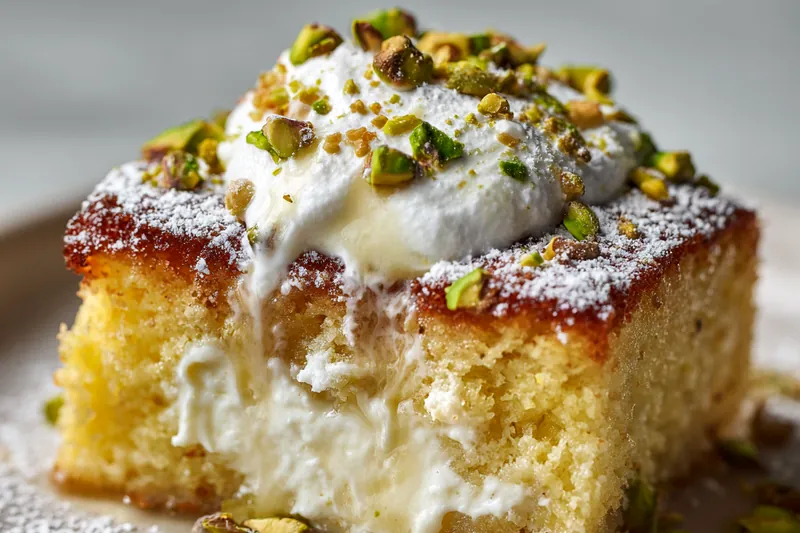
Choosing the Right Ingredients for Perfect Revani
The quality of your semolina directly impacts the final texture of Revani. Look for fine semolina flour, sometimes labeled as semolina flour for baking or pasta flour—avoid coarse semolina used for making porridge, as it won't create the right texture. Turkish and Middle Eastern grocery stores carry the best quality semolina for this purpose. The golden color of semolina contributes to Revani's signature hue, and its high protein content helps the cake maintain structure while soaked in syrup. When stored in an airtight container in a cool, dry place, semolina keeps for up to a year.
Greek yogurt is preferable to regular yogurt because its thickness and tanginess are ideal for this recipe. The yogurt should be plain, full-fat, and at room temperature to blend smoothly into the batter. For the rose water, quality matters tremendously—look for food-grade rose water from Middle Eastern stores rather than cosmetic grade. A little goes a long way, so don't be tempted to add more than specified, as it can become soapy-tasting. Fresh pistachios provide the best flavor and color; avoid those that look yellowish or brown, as they're stale. Buy whole pistachios and chop them yourself right before using for maximum freshness and vibrant green color.
Essential Ingredient Notes
- Semolina Flour: Use fine semolina flour, not coarse. It should feel slightly grainy but not gritty. If you can only find coarse, pulse it in a food processor for 30 seconds to make it finer. Store in an airtight container to prevent moisture absorption.
- Greek Yogurt: Full-fat Greek yogurt at room temperature works best. Let it sit out for 30 minutes before baking. You can substitute with thick Middle Eastern labne or even sour cream in a pinch, but the flavor will vary slightly.
- Rose Water: Buy food-grade rose water from Middle Eastern markets or specialty stores. Brands like Cortas or Sadaf are reliable. Start with the amount specified—you can always add a tiny bit more to taste, but it's hard to fix if you use too much. Store in a cool, dark place and it will last for years.
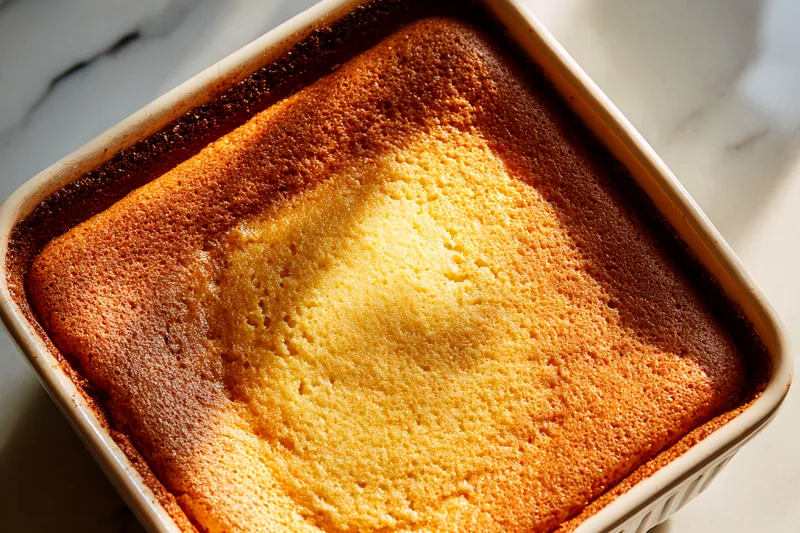
Mastering the Syrup-Soaking Technique
The defining characteristic of Revani is the syrup-soaking method, which requires precision timing for perfect results. The science behind this technique involves the interaction between hot cake and warm syrup—when properly executed, the heat from the cake causes the syrup to be drawn into the structure through capillary action and temperature differential. This is why you must pour syrup over hot cake; if the cake cools, the pores close and absorption becomes difficult. The initial contact should create a gentle sizzle, indicating the temperature is right. Pour the syrup slowly and evenly, working from the edges toward the center, and watch as it gradually disappears into the cake rather than pooling.
Cutting the cake before soaking is not just about portion control—it's about maximizing surface area for syrup absorption. Each cut exposes the interior of the cake, allowing syrup to penetrate from multiple angles. The traditional diamond shape is not only aesthetically pleasing but also practical, as the angled cuts create more edge surface than square cuts. After pouring all the syrup, resist the urge to serve immediately. Let the cake rest for at least 20-30 minutes at room temperature, during which time the syrup will continue to distribute evenly throughout. You'll notice the surface becomes less shiny as the liquid is absorbed, and the cake will firm up slightly while remaining incredibly moist inside.
The Hot-Cake, Warm-Syrup Method
This traditional Turkish technique requires the cake to be straight from the oven (hot) and the syrup to be warm but not boiling (about 140-160°F). This temperature differential is crucial—too hot on both sides makes the cake mushy, too cool and absorption fails. Make your syrup while the cake bakes, let it cool for 5-10 minutes after simmering, then pour immediately when the cake comes out. The gentle sizzle you hear is perfect. Pour in a slow, steady stream, giving the cake time to drink in the syrup between applications. This patience creates that signature melt-in-your-mouth texture that makes Revani irresistible.
Traditional Turkish Revani Cake with Rose Water Syrup
📋 Ingredients
For the Cake
- 1½ cups granulated sugarCreates the sweet base for the aromatic syrup
- 1½ cups waterDissolves sugar into a light syrup consistency
- 1 tablespoon fresh lemon juicePrevents crystallization and adds brightness
- 1 tablespoon rose waterSignature floral aroma, add at the end to preserve fragrance
For the Syrup & Garnish
- 1 cup fine semolina flourCreates the signature grainy texture that holds syrup perfectly
- ½ cup all-purpose flourLightens the texture and provides structure
- ¾ cup granulated sugarSweetens the cake base and helps create a tender crumb
- 4 large eggs, room temperatureBeat until fluffy for a light, airy texture
- ½ cup plain Greek yogurtAdds moisture and tangy balance to the sweet syrup
- ½ cup melted butter, slightly cooledEnriches flavor and creates a tender crumb
- 1 teaspoon vanilla extractEnhances overall flavor depth
- 1 tablespoon fresh lemon zestBrightens the flavor and cuts through sweetness
- 2 teaspoons baking powderProvides lift and ensures a fluffy texture
- ¼ teaspoon saltBalances sweetness and enhances flavors
- ½ cup chopped pistachiosFor garnish - adds crunch and beautiful color contrast
- Powdered sugar for dustingFinal touch for an elegant presentation
Instructions
Prepare Pan and Preheat Oven
Preheat your oven to 350°F (175°C). Generously butter a 9x13 inch baking pan, making sure to get into all corners. Dust the buttered pan lightly with semolina flour, tilting to coat evenly, then tap out any excess. This creates a non-stick surface and adds a subtle crust to the bottom of your Revani.
Make the Cake Batter
In a large mixing bowl, beat the eggs and sugar together using an electric mixer on medium-high speed for 5-6 minutes. The mixture should become very pale, thick, and fluffy—nearly tripled in volume. Mix in the Greek yogurt, melted butter, vanilla extract, and lemon zest until smooth. In a separate bowl, whisk together the semolina flour, all-purpose flour, baking powder, and salt. Gently fold the dry ingredients into the wet mixture using a spatula, stirring just until combined and no flour streaks remain. Don't overmix or you'll deflate the batter.
Bake the Cake
Pour the batter into your prepared pan and smooth the top with a spatula to ensure even baking. Place in the preheated oven and bake for 30-35 minutes, until the top is golden brown and the cake springs back when lightly touched. A toothpick inserted into the center should come out clean or with just a few moist crumbs. The edges will begin to pull away slightly from the sides of the pan.
Prepare the Rose Water Syrup
While the cake is baking, make the syrup. In a medium saucepan, combine the sugar, water, and lemon juice. Bring to a boil over medium-high heat, stirring until sugar dissolves completely. Reduce heat to medium-low and simmer for 10 minutes until the syrup thickens slightly—it should coat the back of a spoon. Remove from heat and stir in the rose water. Let the syrup cool for about 5-10 minutes; it should be warm but not boiling hot when you pour it over the cake.
Soak, Garnish, and Serve
As soon as the cake comes out of the oven, use a sharp knife to cut it into diamond or square shapes while still in the pan—don't remove the pieces yet. Slowly and evenly pour the warm syrup over the hot cake, focusing on the cuts and edges to ensure maximum absorption. You should hear a gentle sizzle. Let the cake rest for 20-30 minutes at room temperature, allowing it to absorb all the syrup. Before serving, sprinkle the chopped pistachios generously over the top and dust with powdered sugar. Serve at room temperature or chilled, with a dollop of whipped cream if desired.
Recipe Notes & Tips
Storage
Store Revani covered at room temperature for up to 3 days, or refrigerate for 5-6 days in an airtight container. The cake actually improves with time as the flavors meld. Many prefer it chilled from the refrigerator. Do not freeze as the texture changes significantly upon thawing.
Serving Suggestions
Serve with Turkish tea, strong coffee, or as a dessert after a Mediterranean meal. Top with kaymak (Turkish clotted cream), whipped cream, or vanilla ice cream. Fresh berries or a mint leaf make beautiful garnishes alongside the traditional pistachios.
Variations
Try orange blossom water instead of rose water for a different floral note. Add ½ teaspoon ground cardamom to the batter for spiced Revani. Substitute almonds for pistachios, or use a combination of both. For coconut Revani, replace ¼ cup semolina with shredded coconut and add coconut to the garnish.