The Ultimate Swirled Garlic Herb and Cheese Bread Recipe
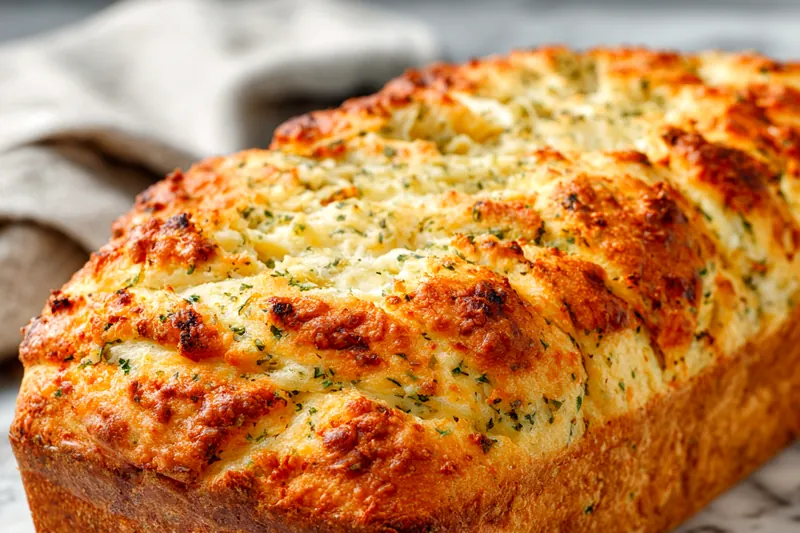
This Ultimate Swirled Garlic Herb and Cheese Bread is an irresistible delight for any bread lover. Its soft texture and rich flavors make it perfect for gatherings or as a side dish. Elevate your meals with this easy-to-make, satisfying bread recipe!


Why This Ultimate Swirled Garlic Herb and Cheese Bread Recipe Works
This recipe utilizes simple techniques that yield impressive results. The combination of instant yeast and warm water creates a fluffy texture, while the kneading process develops gluten for structure. Letting the dough rise enhances the flavor and texture.
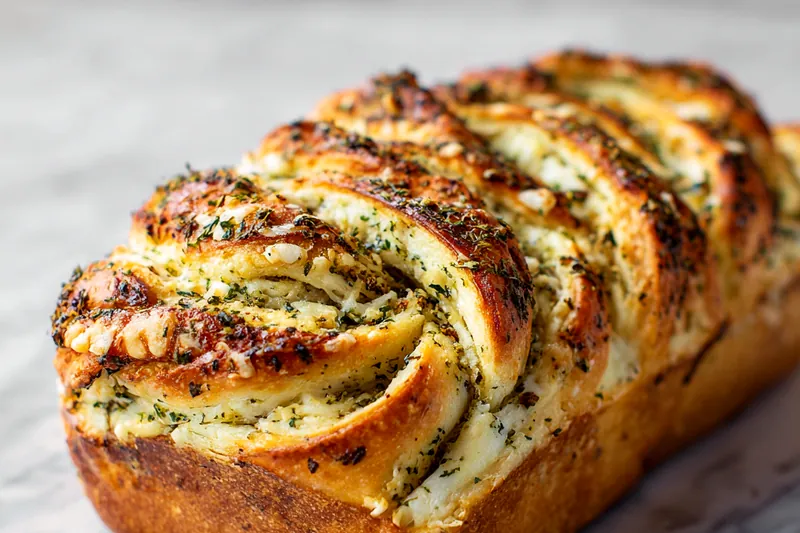
The harmonious blend of garlic, herbs, and two types of cheese makes each bite savory and satisfying. The swirled effect not only looks beautiful but also distributes flavor throughout the loaf. It's a perfect accompaniment to soups, salads, or enjoyed on its own.
💡 Professional Tip
For an even richer flavor, consider adding herbs like rosemary or thyme to the dough. Also, brushing the loaf with melted butter right after baking enhances the golden crust and adds a delicious finish.
Frequently Asked Questions
Absolutely! You can prepare the dough and let it rise, then refrigerate it overnight. Just allow it to come to room temperature and rise again before baking.
You can use active dry yeast instead; simply dissolve it in the warm water with a pinch of sugar and let it sit for 5-10 minutes until foamy before proceeding with the recipe.
The bread should be golden brown on top and sound hollow when tapped on the bottom. An internal temperature of 190°F (88°C) indicates it's fully baked.
Yes, this bread freezes well! Wrap it tightly in plastic wrap and foil, and it can last for up to three months in the freezer. Thaw at room temperature when you're ready to enjoy it again.
You'll need a mixing bowl, a rolling pin, a loaf pan, and a baking sheet. A kitchen towel or plastic wrap for covering the dough while it rises is also helpful.
This bread pairs beautifully with soups, stews, and salads. It's also great on its own, slathered with butter or dipped in olive oil.
To adjust the spice level, you can add red pepper flakes for a kick or reduce the amount of garlic if you prefer a milder flavor. Experiment with herbs to find your perfect balance.
Store leftovers in an airtight container at room temperature for up to 3 days. For longer storage, wrap tightly and refrigerate or freeze as needed.
Recipe Troubleshooting Guide
Too Dry
Problem: If your bread comes out too dry, it may be due to over-kneading or not enough liquid.
Solution: To fix this, ensure you're measuring flour accurately and adding enough water during mixing. Consider adding a tablespoon of water if your dough feels too stiff.
Uneven Cooking
Problem: Uneven cooking can occur if the dough is not rolled out evenly or if the oven temperature is inconsistent.
Solution: Make sure to roll the dough out to a uniform thickness and check your oven temperature with a thermometer for accuracy.
Lacking Flavor
Problem: If the bread lacks flavor, it may need more seasoning or herbs.
Prevention: Increase the amount of garlic and herbs in the dough and filling for a more robust flavor profile next time.
Wrong Texture
Problem: A tough or dense texture often results from over-kneading or using too much flour.
Recovery: Knead just until smooth and elastic, and avoid adding too much extra flour during handling.
Overcooked
Problem: Overcooking can happen if the bread is left in the oven for too long.
Prevention: Keep an eye on the bread towards the end of the bake and use a timer to check for doneness at the suggested time.
Flavor Balance
Too Sweet: If it's too sweet, reduce any sugar or sweet ingredients in the recipe next time.
Too Salty: To address saltiness, consider balancing with a bit of sugar or serving with something tangy.
Bland: Add more herbs or spices to enhance flavor if it tastes bland.
Choosing the Best Ingredients
For the best results, use high-quality flour and fresh ingredients. Fresh garlic and herbs will significantly enhance the flavor of your bread. Ensure your yeast is fresh for a good rise.
Opt for good-quality cheese, as it melts beautifully and adds a rich taste. Shredded cheeses are recommended for even distribution throughout the dough.
Essential Ingredient Notes
- All-Purpose Flour: Choose a good quality all-purpose flour for a balanced structure. It helps achieve the ideal texture for bread.
- Fresh Garlic: Fresh garlic delivers a robust flavor compared to powdered garlic. Mince it finely for even distribution in the dough.
- Mozzarella Cheese: Use freshly shredded mozzarella for the best melting qualities. Pre-shredded varieties often contain anti-caking agents that can affect texture.
Cooking Technique Tips
Proper kneading is essential for developing gluten, which gives bread its structure. Knead until the dough is smooth and elastic, but avoid overworking it to maintain a tender crumb.
When baking, placing a pan of water in the oven can create steam, which helps achieve a beautiful crust. Brush with butter after baking for added flavor and shine.
Chef's Secret Technique
To enhance the flavor, infuse the olive oil with garlic before adding it to the dough. This simple step adds depth to the overall flavor of your bread.
The Ultimate Swirled Garlic Herb and Cheese Bread Recipe
📋 Ingredients
For the Dough:
For the Filling:
Instructions
Recipe Notes & Tips
Storage
Store leftover bread wrapped in plastic at room temperature for up to 3 days. For longer freshness, freeze it well wrapped for up to three months.
Serving Suggestions
Serve this bread warm with a side of marinara sauce for dipping or alongside a hearty soup. It's perfect for sandwiches or simply toasted with butter.
Variations
Feel free to experiment by adding different cheeses, such as cheddar or feta, or incorporating sun-dried tomatoes for an extra burst of flavor.