Sweet and Tangy Cranberry Meatballs
These sweet and tangy cranberry meatballs are the ultimate crowd-pleasing appetizer that disappears within minutes at every gathering. The combination of savory, tender beef meatballs glazed in a luscious cranberry sauce creates an addictive sweet-savory balance that keeps guests coming back for more. Whether you're hosting a holiday party, game day celebration, or potluck dinner, these meatballs are guaranteed to be the star of your appetizer spread.

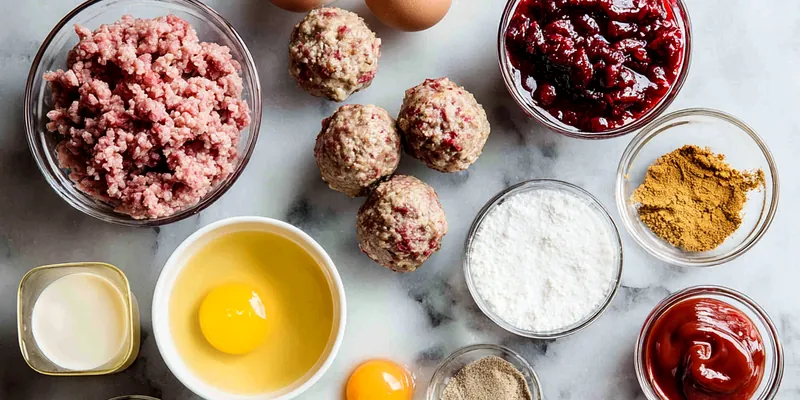
Why These Cranberry Meatballs Always Disappear First
The magic of these meatballs lies in their perfect sweet-savory balance that appeals to every palate at your party. Unlike basic cocktail meatballs, these feature a homemade cranberry glaze that's both sophisticated and comforting, with layers of flavor from the tangy cranberry sauce, savory chili sauce, and subtle sweetness from brown sugar. The Worcestershire sauce and lemon juice add depth and brightness that prevent the sauce from being one-dimensional or cloying.
What makes this recipe particularly special is the two-step cooking method that ensures perfectly cooked, flavorful meatballs every time. Browning the meatballs first creates a golden crust that seals in juices and adds a subtle caramelized flavor that frozen meatballs simply can't match. Then finishing them in the sauce allows the meatballs to absorb the cranberry glaze while staying tender and moist. This technique also naturally thickens the sauce as it reduces, creating that glossy, clingy coating that makes these meatballs irresistible.
💡 Professional Tip
Don't skip the browning step even though it takes a few extra minutes. That golden crust is where so much flavor develops, and it helps the meatballs hold their shape better when simmering in the sauce.
Frequently Asked Questions
Absolutely! These meatballs actually taste even better the next day as the flavors meld. Prepare them completely, let cool, then refrigerate in an airtight container for up to 3 days. Reheat gently in a saucepan over medium-low heat or in a slow cooker on low for 1-2 hours. You can also freeze the cooked meatballs in sauce for up to 3 months. Thaw overnight in the refrigerator before reheating.
Yes, frozen meatballs work great for a faster version. Use about 2 pounds of frozen meatballs (fully cooked). You can skip the browning step and add them directly to the cranberry sauce. Simmer for 20-25 minutes until heated through and glazed. Homemade meatballs have better flavor and texture, but frozen ones are perfectly acceptable for busy weeknights or last-minute parties.
For parties, prepare the meatballs on the stovetop as directed, then transfer everything to a slow cooker set on low or warm. This keeps them at the perfect serving temperature for hours without overcooking. Stir occasionally and add a splash of cranberry juice or water if the sauce gets too thick. The slow cooker method also frees up your stovetop for other dishes.
Yes, ketchup is the most common substitute and works perfectly well, though it will be slightly sweeter and less tangy than chili sauce. For a closer match to chili sauce, add an extra teaspoon of Worcestershire sauce and a pinch of cayenne pepper to the ketchup. Barbecue sauce is another option that adds a smoky dimension, though it will change the flavor profile somewhat.
The meatballs are done when they reach an internal temperature of 160°F when tested with a meat thermometer. Visually, they should be firm to the touch, no longer pink in the center when cut open, and the juices should run clear. After simmering in the sauce for 15-18 minutes following the browning step, they're typically cooked through. The sauce should also be noticeably thickened and glossy.
These meatballs are incredibly versatile. As an appetizer, serve them with toothpicks alongside other finger foods like cheese cubes, crackers, or vegetable crudités. For a main course, serve over white rice, egg noodles, or mashed potatoes to soak up the delicious sauce. They're also excellent on slider buns for mini meatball sandwiches. A simple green salad or roasted vegetables rounds out the meal perfectly.
Definitely! Add 1/4 to 1/2 teaspoon of red pepper flakes to the sauce for a gentle kick, or include a tablespoon of sriracha or hot sauce for more heat. You can also add diced jalapeños to the meatball mixture itself. For a sweet-heat combination that's incredibly popular, use pepper jelly instead of part of the cranberry sauce. Start with less spice than you think you need since you can always offer hot sauce on the side.
Store leftover meatballs in an airtight container in the refrigerator for up to 4 days. Make sure they're completely covered in sauce to prevent them from drying out. Reheat gently on the stovetop over medium-low heat, stirring occasionally, or microwave in 30-second intervals. If the sauce has thickened too much during storage, thin it with a tablespoon or two of water or cranberry juice when reheating.
Recipe Troubleshooting Guide
Meatballs Are Too Dense or Tough
Problem: The meatballs turned out dense, dry, or tough instead of tender and juicy.
Solution: This usually happens from overworking the meat mixture. Mix ingredients just until combined using a light touch, and avoid packing the meatballs too tightly when shaping. The milk and breadcrumbs should keep them moist, but if you forgot these binders or used extra-lean beef (which lacks fat for moisture), that can cause dryness. Next time, stick to 85/15 ground beef and handle the mixture gently.
Meatballs Fell Apart During Cooking
Problem: The meatballs broke apart or crumbled while browning or simmering in the sauce.
Solution: Make sure you're using enough binder (breadcrumbs and eggs) and that the mixture rests for 5 minutes before shaping, which helps the ingredients bind together. Don't flip the meatballs too early when browning - let them develop a good crust first (2-3 minutes per side). If they're still fragile, chill the shaped meatballs in the refrigerator for 15-20 minutes before cooking to help them firm up.
Sauce Is Too Thin and Watery
Problem: The cranberry sauce stayed thin and runny instead of becoming a thick, glossy glaze.
Prevention: Continue simmering the meatballs uncovered to allow the sauce to reduce and thicken naturally through evaporation. If you're short on time, remove the meatballs temporarily and increase the heat slightly to reduce the sauce faster, stirring frequently. You can also mix 1 tablespoon of cornstarch with 2 tablespoons of cold water and stir it into the simmering sauce until thickened.
Sauce Is Too Thick or Sticky
Problem: The sauce became too thick, sticky, or started to burn on the bottom of the pan.
Recovery: Reduce the heat immediately and add liquid to thin it out. Start with 1/4 cup of cranberry juice, water, or beef broth, stirring well to incorporate. The sauce should coat the back of a spoon but still flow easily. If it's burning, transfer everything to a clean pan immediately to avoid a burnt flavor permeating the dish.
Meatballs Are Pink Inside After Cooking Time
Problem: After the recommended cooking time, the meatballs are still pink or undercooked in the center.
Prevention: Meatball size affects cooking time significantly. If you made larger meatballs than the recommended 1.5 inches, they'll need more time. Continue simmering until a meat thermometer reads 160°F in the center. Cover the pan to trap heat and cook them through faster. For very large meatballs, you may need to finish them in a 350°F oven for 10-15 minutes.
Flavor Balance Issues
Too Sweet: If the sauce is too sweet, balance it with acid. Add 1-2 extra tablespoons of lemon juice or a splash of apple cider vinegar. A pinch of salt can also help counteract excessive sweetness.
Too Salty: If too salty, add a tablespoon of brown sugar or honey to balance the flavor. You can also dilute the sauce with unsalted cranberry juice or add a few more unsalted meatballs to absorb some of the salt.
Bland: If the flavor is flat, add more Worcestershire sauce (1 tablespoon), a pinch of garlic powder, or extra lemon juice for brightness. Fresh cracked black pepper also adds complexity without making it spicy.
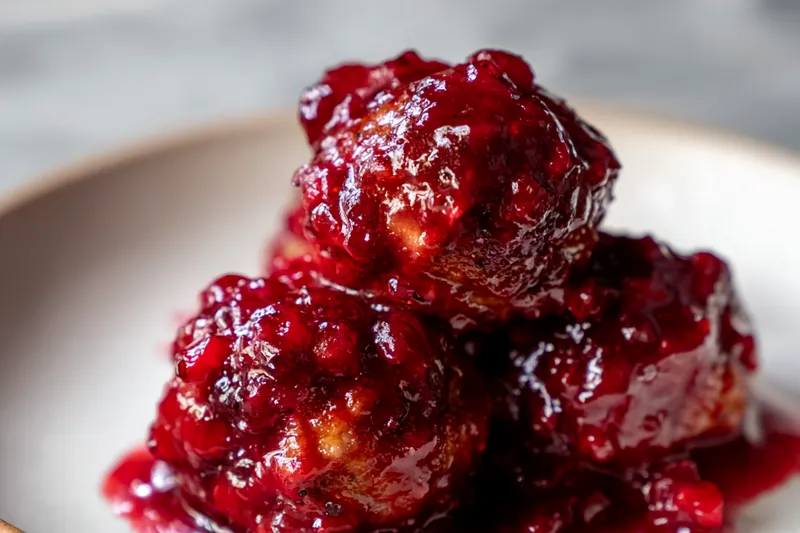
Choosing the Right Ingredients for Perfect Meatballs
The quality of your ingredients directly impacts the final result, starting with the ground beef. Choose 85/15 (85% lean, 15% fat) ground beef for the ideal balance of flavor and moisture. Leaner beef will produce dry, tough meatballs, while fattier blends can make them greasy and cause them to fall apart. Fresh ground beef from the butcher counter typically has better texture than pre-packaged, and you can ask them to grind it fresh if you want maximum quality.
For the cranberry sauce, whole berry cranberry sauce works best because it adds texture and visual appeal to the finished dish. The actual cranberry pieces distribute throughout the sauce and provide little bursts of tartness that complement the sweet glaze. Jellied cranberry sauce will work in a pinch but results in a smoother, less interesting texture. When selecting chili sauce, look for it near the ketchup in the grocery store. Brands like Heinz make a classic version that has a slightly spicy, tangy profile that's more complex than regular ketchup.
Essential Ingredient Notes
- Ground Beef: Use 85/15 ground beef that's bright red with white fat marbling throughout. Avoid meat that's brown or gray, which indicates oxidation. Keep the meat cold until you're ready to use it, and handle it minimally to prevent the fat from warming up and making the mixture greasy.
- Whole Berry Cranberry Sauce: Both canned and homemade whole berry cranberry sauce work excellently. If using canned, Ocean Spray is reliable and consistent. For homemade, ensure the cranberries have burst and the sauce has thickened properly before using. Fresh cranberries add more tartness, while canned tends to be sweeter.
- Breadcrumbs: Plain breadcrumbs work best as they don't compete with the other seasonings. Panko breadcrumbs can be used for a lighter texture, but traditional plain breadcrumbs create more tender, classic meatballs. Avoid seasoned breadcrumbs unless you reduce the other seasonings accordingly.
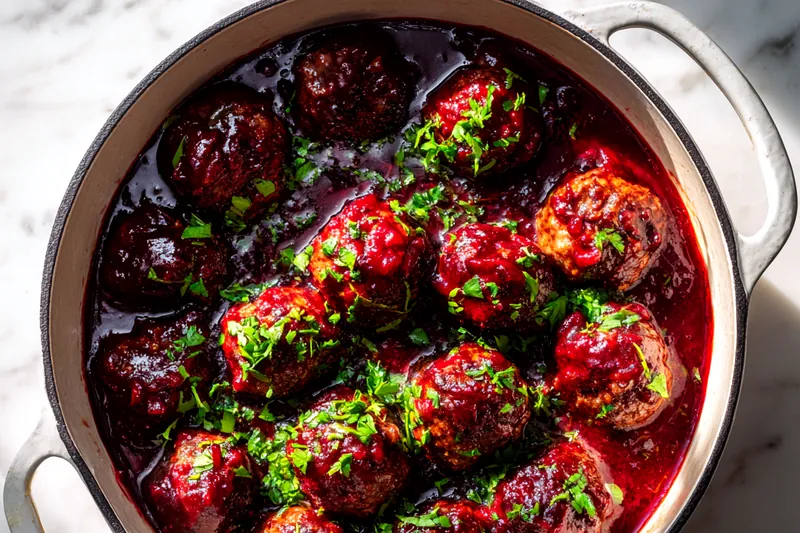
Mastering the Cooking Technique
The two-step cooking process is essential for achieving restaurant-quality cranberry meatballs at home. Browning the meatballs first in a hot skillet creates a flavorful crust through the Maillard reaction, which is the chemical process that creates complex, savory flavors when proteins and sugars interact under high heat. This browning not only adds taste but also helps the meatballs maintain their structure when they're transferred to the sauce. Work in batches to avoid overcrowding the pan, which would cause the meatballs to steam instead of brown.
The simmering stage is where the magic truly happens. As the meatballs finish cooking in the cranberry sauce, they absorb the sweet-tangy flavors while simultaneously releasing their own savory juices into the sauce, creating a perfect harmony. Keep the heat at medium-low to prevent the sauce from reducing too quickly or burning on the bottom. Stir gently every few minutes to ensure even coating and prevent sticking. The sauce should visibly thicken and take on a glossy sheen as it reduces, and you'll know it's ready when it coats the meatballs heavily and doesn't run off immediately.
The Perfect Meatball Consistency
When mixing your meatball ingredients, use your hands and work quickly with a light touch. Over-mixing develops the protein strands in the meat (called myosin), which creates a dense, tough texture similar to a hamburger patty rather than a tender meatball. Mix just until you no longer see streaks of egg or dry breadcrumbs, then stop immediately. The mixture should feel slightly sticky but hold together when shaped. If it's too wet and won't hold shape, add breadcrumbs one tablespoon at a time. If too dry and crumbly, add milk one tablespoon at a time.
Sweet and Tangy Cranberry Meatballs
📋 Ingredients
For the Meatballs
- 1 can (14 oz) whole berry cranberry sauceOcean Spray or similar brand works perfectly; whole berry adds texture
- 1 cup chili sauce or ketchupChili sauce adds more tang, but ketchup works in a pinch
- 2 tablespoons brown sugarLight or dark brown sugar both work; adds depth to sweetness
- 1 tablespoon Worcestershire sauceAdds umami and savory depth that balances the sweetness
- 1 tablespoon lemon juiceFreshly squeezed preferred; brightens and balances the rich sauce
For the Cranberry Sauce
- 2 pounds ground beef (85/15 lean)Perfect fat ratio for moist, flavorful meatballs that hold together
- 1 cup breadcrumbsPlain breadcrumbs work best; helps bind and keeps meatballs tender
- 2 large eggsActs as a binder; room temperature eggs mix more evenly
- 1/4 cup milkKeeps meatballs moist and tender; whole milk preferred
- 1 teaspoon garlic powderAdds savory depth without moisture from fresh garlic
- 1 teaspoon onion powderProvides sweet, savory base flavor throughout
- 1 teaspoon saltEssential for bringing out all the flavors
- 1/2 teaspoon black pepperFreshly ground adds more flavor than pre-ground
- Fresh parsley for garnishAdds color and fresh flavor; optional but recommended
Instructions
Prepare the Meatball Mixture
In a large bowl, combine ground beef, breadcrumbs, eggs, milk, garlic powder, onion powder, salt, and pepper. Mix gently with your hands until just combined, being careful not to overwork the meat which can make meatballs tough. The mixture should be uniform but still slightly loose.
Shape and Brown the Meatballs
Roll the mixture into 1.5-inch meatballs (about 32 meatballs total). Heat a large skillet over medium-high heat with a drizzle of oil. Brown meatballs in batches for 2-3 minutes per side until golden brown on the outside. They don't need to be cooked through yet. Transfer browned meatballs to a plate.
Make the Cranberry Sauce
In a medium saucepan or the same skillet (wiped clean), combine cranberry sauce, chili sauce, brown sugar, Worcestershire sauce, and lemon juice. Whisk together over medium heat until smooth and the cranberry sauce breaks down, about 3-4 minutes. The sauce should be glossy and slightly thickened.
Simmer Meatballs in Sauce
Add the browned meatballs to the cranberry sauce, stirring gently to coat each meatball. Reduce heat to medium-low and simmer for 15-18 minutes, stirring occasionally, until meatballs are cooked through (internal temperature of 160°F) and the sauce has thickened and glazed the meatballs beautifully.
Serve and Garnish
Transfer meatballs to a serving dish, spooning extra sauce over the top. Garnish with fresh chopped parsley for a pop of color and fresh flavor. Serve hot with toothpicks for easy party serving, or over rice for a main course.
Recipe Notes & Tips
Storage
Store leftover meatballs in an airtight container in the refrigerator for up to 4 days, ensuring they're covered in sauce. Freeze cooked meatballs in sauce for up to 3 months. Thaw overnight in the refrigerator before reheating gently on the stovetop.
Serving Suggestions
Serve as an appetizer with toothpicks, over white rice or egg noodles for a main course, or on slider buns for mini sandwiches. Pairs beautifully with mashed potatoes, roasted vegetables, or a crisp green salad. For parties, keep warm in a slow cooker set to low.
Variations
Try ground turkey for a leaner option (add 1 tablespoon of oil to the mixture for moisture). Make it spicy by adding red pepper flakes or sriracha. Use grape jelly instead of brown sugar for a classic sweet variation. For a holiday twist, add a splash of orange juice and orange zest to the sauce.