Spicy Italian Sausage Pasta with Garlic Tomato Sauce
This Spicy Italian Sausage Pasta is everything you want in a weeknight dinner - bold, satisfying, and ready in just 30 minutes. The combination of browned sausage, caramelized onions, and a garlicky tomato sauce creates layers of flavor that make this dish taste like it simmered for hours. The secret is getting a good sear on the sausage for those crispy, flavorful bits that make every bite incredible.


Why This Spicy Sausage Pasta Works
The key to this recipe's success is the browning technique. When you properly brown the sausage, you're not just cooking it - you're creating a foundation of flavor through the Maillard reaction. Those caramelized bits stuck to the pan (called fond) become the base of your sauce, adding incredible depth. Don't rush this step, and resist the urge to stir too frequently. Let the sausage develop a golden-brown crust before breaking it up.
The pasta shape matters more than you might think. Fusilli and rotini are ideal because their spirals catch and hold the chunky sauce, ensuring every bite has sausage, sauce, and pasta in perfect proportion. The ridges also help the sauce cling better than smooth pasta shapes. If you can't find fusilli, penne or rigatoni work well as alternatives since their tubes trap the sauce beautifully.
💡 Professional Tip
Always reserve pasta water before draining! The starchy water is your secret weapon for adjusting sauce consistency and helping it cling to the pasta. Add it gradually - you can always add more, but you can't take it away.
Frequently Asked Questions
Yes! You can prepare the sausage and sauce up to 2 days in advance. Store in an airtight container in the refrigerator. Cook the pasta fresh when ready to serve, then reheat the sauce gently, adding a splash of broth or water to loosen it. Combine the hot pasta with the reheated sauce for best texture. The flavors actually deepen after a day in the fridge.
Absolutely! Mild or sweet Italian sausage works perfectly if you prefer less heat. You can still add red pepper flakes to control the spice level, or omit them entirely for a family-friendly version. The recipe is very flexible - some people even mix half spicy and half mild for a balanced heat level.
You can substitute with diced tomatoes (blend them briefly for a smoother texture), tomato sauce, or even fresh tomatoes chopped and cooked down. If using tomato sauce, reduce the broth to 1/4 cup since sauce is already thinner. Whole canned tomatoes work too - just crush them by hand or with a potato masher as they cook.
Definitely! Bell peppers, mushrooms, and spinach are excellent additions. Add diced bell peppers with the onions, mushrooms after the sausage is browned, or stir in fresh spinach at the end to wilt. Zucchini also works well if diced small. Just be mindful not to overcrowd the pan, which can lead to steaming rather than browning.
The sausage should be deeply browned with no pink remaining (internal temperature of 160°F). The sauce should be thickened enough to coat the back of a spoon but still fluid. When you combine the pasta with the sauce, it should glisten and coat each piece evenly without pooling liquid at the bottom of the pan.
This hearty pasta pairs beautifully with a simple arugula salad dressed with lemon and olive oil to cut through the richness. Garlic bread or crusty Italian bread is perfect for sopping up extra sauce. For a complete meal, add roasted broccoli or a Caesar salad. A glass of Chianti or Sangiovese complements the spicy sausage perfectly.
Yes, this freezes well for up to 3 months. Let it cool completely, then portion into freezer-safe containers. Thaw overnight in the refrigerator and reheat gently on the stovetop with a splash of broth or water. The pasta may absorb some sauce during freezing, so expect to add a bit of liquid when reheating. The texture is best if frozen within 2 days of cooking.
Store in an airtight container in the refrigerator for up to 4 days. The pasta will absorb sauce as it sits, so it may seem drier when you reheat it. Add a few tablespoons of broth, water, or olive oil when reheating on the stovetop over medium-low heat. Microwave reheating works too - use 50% power and stir every minute, adding liquid as needed.
Recipe Troubleshooting Guide
Sausage is Dry
Problem: The Italian sausage came out dry and crumbly instead of juicy
Solution: Don't overcook the sausage - it continues cooking when you add it back to the sauce. Remove it from the pan when it just loses its pink color. Also, avoid pressing down on the sausage while cooking, which squeezes out flavorful juices. Choose sausage with at least 15-20% fat content for best moisture.
Sauce Too Thin
Problem: The tomato sauce is watery and won't coat the pasta
Solution: Simmer the sauce uncovered for a few extra minutes to reduce and concentrate flavors. If you added too much broth, let it cook down. You can also add 1-2 tablespoons of tomato paste to thicken and intensify the flavor. The pasta water you add at the end should be used sparingly - start with just 2-3 tablespoons.
Pasta is Sticky
Problem: The pasta clumps together instead of staying separated
Prevention: Make sure you're using enough water when boiling pasta - at least 4 quarts for 12 ounces. Don't add oil to the water, as it prevents sauce from adhering. Stir the pasta occasionally while cooking. If it's already clumped, add it to the hot sauce immediately and toss vigorously - the sauce will help separate the pieces.
Not Spicy Enough
Problem: The dish lacks the heat and kick you were expecting
Recovery: Increase red pepper flakes to 1.5-2 teaspoons, or add them at the table for individual preference. Choose hot Italian sausage instead of mild. A dash of hot sauce or calabrian chili paste stirred in at the end adds another layer of heat. Remember that heat builds as the dish sits, so taste before adding more spice.
Garlic is Burnt
Problem: The garlic turned bitter and brown instead of fragrant
Prevention: Add garlic after the onions are mostly cooked and cook only for 60 seconds until fragrant. Garlic burns quickly at high heat. If you accidentally burn it, remove it and start with fresh garlic - burnt garlic will make the entire dish bitter. Lower the heat to medium before adding garlic if your pan is very hot.
Flavor Balance Issues
Too Sweet: If the sauce tastes too sweet from the tomatoes, add a pinch of salt and a splash of red wine vinegar to balance the sweetness
Too Salty: If too salty from the sausage, add a peeled potato half and simmer for 10 minutes to absorb salt, or dilute with unsalted broth and a bit more tomato
Bland: If the dish tastes flat, it needs salt first, then acid (lemon juice or vinegar), and finish with fresh herbs and Parmesan to brighten flavors
Choosing the Best Ingredients
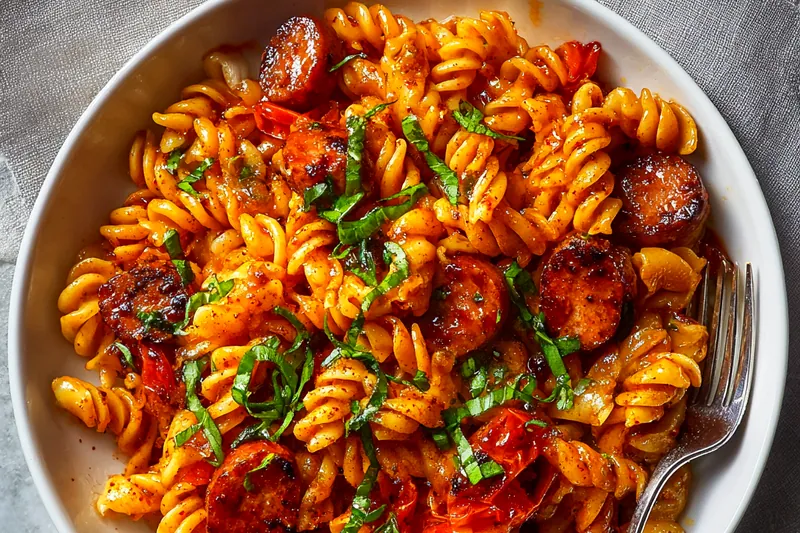
Quality Italian sausage makes all the difference in this dish. Look for sausages with visible seasoning and a good fat-to-meat ratio - around 20% fat keeps them juicy and flavorful. Fresh sausages from a butcher counter are usually superior to pre-packaged options. Check the ingredient list for natural casings and real spices rather than artificial flavors. If the sausage seems very lean, add an extra tablespoon of olive oil to the pan to prevent drying.
For the tomatoes, San Marzano or fire-roasted crushed tomatoes elevate this simple recipe significantly. San Marzanos have a naturally sweet flavor with lower acidity, while fire-roasted varieties add a subtle smoky depth that complements the sausage beautifully. Whatever brand you choose, taste your tomatoes - if they're very acidic, you may want to add a small pinch of sugar to balance the sauce. Quality canned tomatoes are often better than fresh for pasta sauce since they're picked and processed at peak ripeness.
Essential Ingredient Notes
- Italian Sausage: Choose fresh sausage links rather than pre-cooked for best flavor and texture. Remove casings by slicing lengthwise with a sharp knife and peeling them off. For easier browning, break into 1-inch chunks rather than tiny crumbles. The larger pieces create better texture and more of those delicious crispy edges.
- Pasta Shape: Short, ridged pasta shapes work best here. Fusilli's spirals trap the chunky sauce perfectly, while rotini, penne, or rigatoni are excellent alternatives. Avoid long pasta like spaghetti or linguine, which don't hold the hearty sauce as well. Cook pasta 1 minute less than package directions since it finishes cooking in the sauce.
- Fresh Herbs: Fresh parsley adds brightness that dried herbs can't match. Italian flat-leaf parsley has more flavor than curly parsley. Chop it just before adding to preserve its vibrant color and fresh taste. Fresh basil also works beautifully - add it at the very end to preserve its delicate flavor and aroma.
Mastering the Cooking Technique
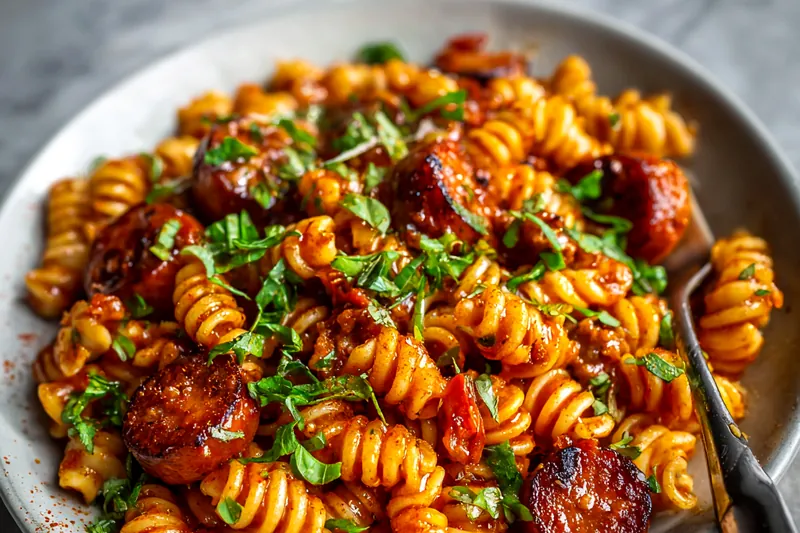
The foundation of exceptional flavor in this dish comes from proper browning technique. When you add the sausage to a hot pan, resist the urge to stir immediately. Let it sit undisturbed for 2-3 minutes to develop a rich, caramelized crust. This creates complex flavors through the Maillard reaction - the same process that makes grilled steaks and roasted vegetables taste so good. Those brown bits stuck to the pan (the fond) will dissolve into your sauce, creating incredible depth. Break the sausage into larger chunks rather than tiny crumbles for better texture and more surface area to brown.
Finishing the pasta in the sauce is an essential Italian technique called 'mantecatura.' After draining the pasta (remember to save that pasta water!), add it directly to the simmering sauce and cook together for the final 2 minutes. This allows the pasta to absorb the sauce flavors while the starchy pasta water helps create a silky, cohesive coating that clings to every spiral. Toss vigorously - use tongs or a large spoon to lift and turn the pasta constantly. The pasta should glisten and look almost creamy. If it seems dry, add pasta water one tablespoon at a time until you achieve that perfect glossy consistency.
Building Layers of Flavor
Great pasta sauce is built in layers, not all at once. First, brown the sausage to create the foundation. Next, caramelize the onions in the same pan to pick up those flavorful brown bits. Then add garlic briefly for aromatics. Finally, deglaze with tomatoes and broth to capture every bit of flavor from the pan. Each step builds on the last, creating complexity that tastes like hours of cooking in just 30 minutes. This layering technique is what separates good pasta from unforgettable pasta.
Spicy Italian Sausage Pasta with Garlic Tomato Sauce
📋 Ingredients
Sauce Ingredients
- 1 can (14.5 oz) crushed tomatoesSan Marzano or fire-roasted for best flavor
- 1/2 cup chicken or vegetable brothAdds depth and helps create the right sauce consistency
- 1 tsp red pepper flakesAdjust to taste - start with less if heat-sensitive
- 1 tsp dried oreganoItalian oregano has the most authentic flavor
- 1/2 tsp smoked paprikaAdds subtle smokiness that complements the sausage
- 2 tbsp olive oilExtra virgin for best flavor
Main Ingredients
- 1 lb spicy Italian sausageRemove casings before cooking - fresh links work best
- 12 oz fusilli or rotini pastaThe spirals catch and hold the chunky sauce perfectly
- 1 medium yellow onion, dicedCaramelizes beautifully for sweet, savory depth
- 4 cloves garlic, mincedFresh garlic is essential - don't substitute with powder
- 1/4 cup fresh parsley, choppedFlat-leaf Italian parsley has the best flavor
- Salt and black pepper to tasteSeason in layers throughout cooking
- 1/2 cup grated Parmesan cheeseFor serving - freshly grated melts better than pre-shredded
Instructions
Cook the Pasta
Bring a large pot of salted water to a boil. Cook pasta according to package directions until al dente. Reserve 1 cup of pasta water before draining. The starchy water will help create a silky sauce that clings to the pasta.
Brown the Sausage
In a large skillet over medium-high heat, add 1 tablespoon olive oil. Add sausage, breaking it into 1-inch chunks with a wooden spoon. Let it sit undisturbed for 2-3 minutes to develop a golden crust, then continue cooking, stirring occasionally, for 6-8 minutes total until deeply browned and cooked through with no pink remaining. Remove sausage and set aside.
Sauté Aromatics
In the same skillet, add remaining olive oil and diced onion. Cook for 4-5 minutes, stirring occasionally, until softened and golden brown around the edges. Add minced garlic and cook for just 1 minute until fragrant. Stir in red pepper flakes, oregano, and smoked paprika, cooking for 30 seconds to toast the spices.
Build the Sauce
Pour in crushed tomatoes and broth, scraping up any browned bits from the bottom of the pan. Return the cooked sausage to the skillet. Bring to a simmer, then reduce heat to medium-low. Cook for 8-10 minutes, stirring occasionally, until sauce thickens slightly and flavors meld together. Season with salt and black pepper to taste.
Combine and Finish
Add drained pasta to the sauce, tossing with tongs to coat evenly. If the sauce seems too thick, add reserved pasta water 2-3 tablespoons at a time until you achieve a glossy, clingy consistency. Cook together for 2 minutes, tossing frequently, to let the pasta absorb the flavors and the sauce emulsify.
Serve
Remove from heat and stir in fresh chopped parsley, reserving a bit for garnish. Serve immediately in warm bowls, topped with grated Parmesan cheese, extra parsley, and additional red pepper flakes if desired. The pasta is best enjoyed right away while the sauce is glossy and the sausage is at its juiciest.
Recipe Notes & Tips
Storage
Store leftovers in an airtight container in the refrigerator for up to 4 days. The pasta will absorb sauce as it sits, so add a splash of broth or water when reheating. Can be frozen for up to 3 months - thaw overnight in the fridge and reheat gently on the stovetop.
Serving Suggestions
Serve with crusty Italian bread or garlic bread to soak up the delicious sauce. Pairs beautifully with a simple arugula salad dressed with lemon and olive oil, or roasted broccoli. A glass of Chianti or Sangiovese complements the spicy sausage perfectly.
Variations
Use mild Italian sausage for less heat, or turkey sausage for a lighter option. Add bell peppers, mushrooms, or spinach for extra vegetables. Substitute gluten-free pasta if needed. For a creamier version, stir in 1/4 cup heavy cream or mascarpone at the end. Fresh basil can replace parsley for a different flavor profile.