Roasted Cauliflower with Herbs
Roasted Cauliflower with Herbs is a delightful Mediterranean appetizer that brings a burst of flavor to your table. This dish is not only visually appealing but incredibly healthy, making it a great choice for entertaining or a cozy night in. The combination of herbs and spices enhances the natural sweetness of the cauliflower, creating a dish that everyone will love. Perfectly roasted and seasoned, this cauliflower can be served as a standalone dish or as a side.

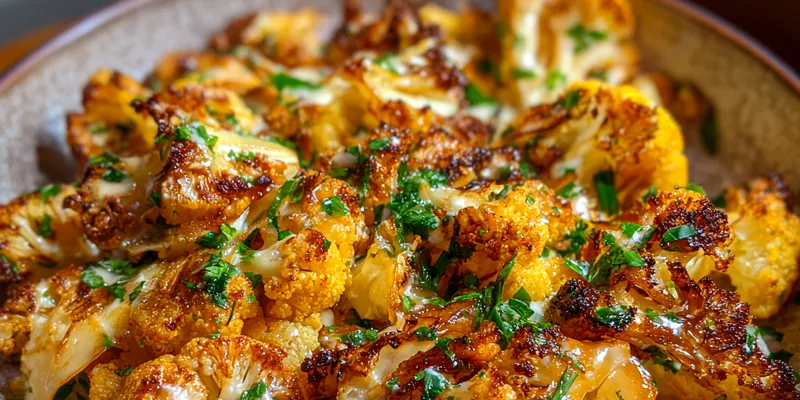
Why This Roasted Cauliflower with Herbs Recipe Works
This recipe works exceptionally well due to the combination of fresh herbs and spices that elevate the natural taste of the cauliflower. The roasting process caramelizes the cauliflower, enhancing its sweetness and providing a satisfying texture. The addition of olive oil not only helps in achieving the perfect roast but also adds a rich flavor that complements the herbs beautifully.
Using a hot oven ensures that the cauliflower gets a crispy exterior while remaining tender inside. Tossing the cauliflower with the seasoning before roasting allows the flavors to penetrate, making each bite burst with flavor. The optional addition of Parmesan cheese adds a savory note that makes this dish irresistible.
💡 Professional Tip
For the best results, make sure to cut the cauliflower into uniform florets to ensure even cooking. Additionally, don’t overcrowd the baking sheet, as this can cause steaming rather than roasting. If you're looking for extra crispiness, give the cauliflower an extra few minutes in the oven.
Frequently Asked Questions
Yes, you can prepare the cauliflower and season it ahead of time. Store the seasoned florets in an airtight container in the refrigerator for up to 24 hours before roasting. However, for the best taste and texture, it's recommended to roast the cauliflower just before serving.
If you don't have fresh herbs on hand, you can use dried herbs instead. Use about one-third of the amount since dried herbs are more concentrated in flavor. For example, if the recipe calls for a tablespoon of fresh parsley, use one teaspoon of dried parsley.
The cauliflower is done when it is golden brown on the edges and fork-tender. You can check by inserting a fork into the thickest part of a floret; it should slide in easily. Roasting time may vary depending on your oven, so keep an eye on it towards the end.
Yes, you can freeze roasted cauliflower. Allow it to cool completely, then place it in a freezer-safe container or bag. It can be stored in the freezer for up to three months. To reheat, bake it straight from frozen at 400°F (200°C) until heated through.
Roasted Cauliflower with Herbs pairs well with a variety of dishes. Serve it alongside grilled meats, fish, or other roasted vegetables. It can also be a delicious addition to a Mediterranean platter with hummus, olives, and pita bread.
Leftover Roasted Cauliflower with Herbs can be stored in an airtight container in the fridge for up to four days. Be sure to let it cool completely before storing to avoid condensation, which can make it soggy.
While it's best served fresh, you can prepare the cauliflower ahead of time by seasoning it and keeping it in the fridge until you're ready to roast. Roasting it just before serving will yield the best flavor and texture.
To reheat, preheat your oven to 375°F (190°C). Spread the cauliflower on a baking sheet and heat for about 10-15 minutes or until warmed through. This will help restore some of the crispiness you may lose in the fridge.
Recipe Troubleshooting Guide
Too Dry
Problem: If your roasted cauliflower comes out too dry, it may be due to overcooking.
Solution: To prevent this, keep a close eye on the roasting time and check for doneness earlier than suggested. You can also drizzle a bit more olive oil before serving to add moisture.
Not Crispy Enough
Problem: If the cauliflower is not crispy, it may have been overcrowded on the baking sheet.
Solution: Ensure there is enough space between florets to allow air to circulate and promote browning. Also, try increasing the oven temperature slightly or roasting for an extra few minutes.
Overcooked
Problem: Overcooked cauliflower can become mushy and lose its flavor.
Prevention: To avoid this, set a timer and check on your cauliflower a few minutes before the recommended cooking time. Adjust your roasting time based on your oven's heat levels.
Undercooked Center
Problem: If the center of the cauliflower florets is undercooked, it may indicate uneven cooking.
Recovery: Cut your cauliflower into uniform pieces to ensure even cooking. Rotate the baking sheet halfway through roasting for better results.
Burnt Exterior
Problem: If the cauliflower is burnt on the outside, it may have been in the oven too long or at too high a temperature.
Prevention: Consider lowering the oven temperature slightly and checking for doneness earlier. You can also cover the dish with foil for part of the cooking time to prevent excessive browning.
Flavor Balance
Too Sweet: If the dish tastes too sweet, add a splash of lemon juice or a sprinkle of salt to balance the flavors.
Too Salty: If it’s too salty, serve it with a side of plain yogurt or sour cream to help cut the saltiness.
Bland: If your roasted cauliflower is bland, try adding more herbs and spices before roasting or toss it in a sauce after cooking to enhance flavor.
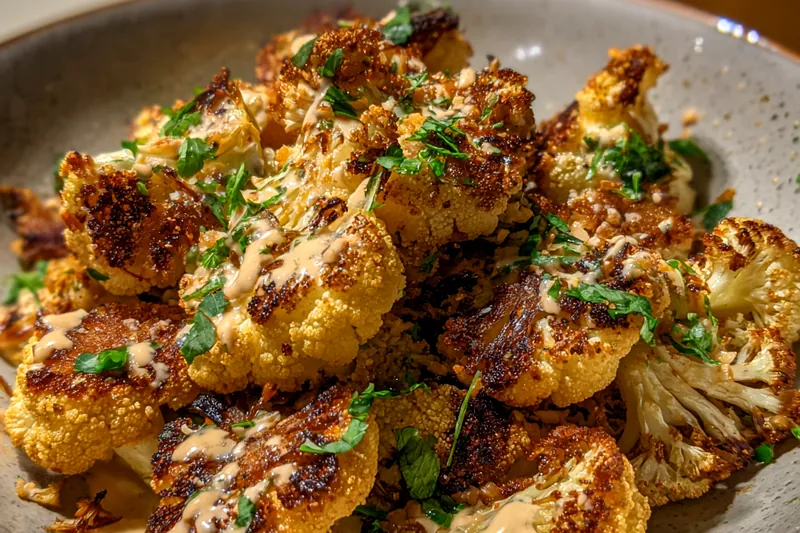
Essential Ingredients for Roasted Cauliflower with Herbs
The key ingredient in this recipe is cauliflower, which should be fresh and firm for the best texture. The herbs and spices, including oregano, thyme, and smoked paprika, add depth and complexity to the dish. Olive oil not only helps in roasting but also infuses the cauliflower with flavor.
Always choose high-quality olive oil for roasting, as it enhances the overall taste and health benefits. Fresh herbs can elevate the flavor profile significantly, so opt for them whenever possible. The optional Parmesan cheese can add an umami kick, but the dish is just as delicious without it.
Essential Ingredient Notes
- Cauliflower: Select a cauliflower head that is heavy for its size, with tight, compact florets. Avoid any with brown spots or wilted leaves, as they are signs of aging.
- Olive Oil: Use extra virgin olive oil for the best flavor. It's rich in healthy fats and antioxidants. A higher quality oil will enhance the taste of your roasted dish.
- Herbs: Fresh herbs make a noticeable difference in flavor. If using dried herbs, remember to use less, as they are more concentrated. Store herbs properly to maintain their freshness.
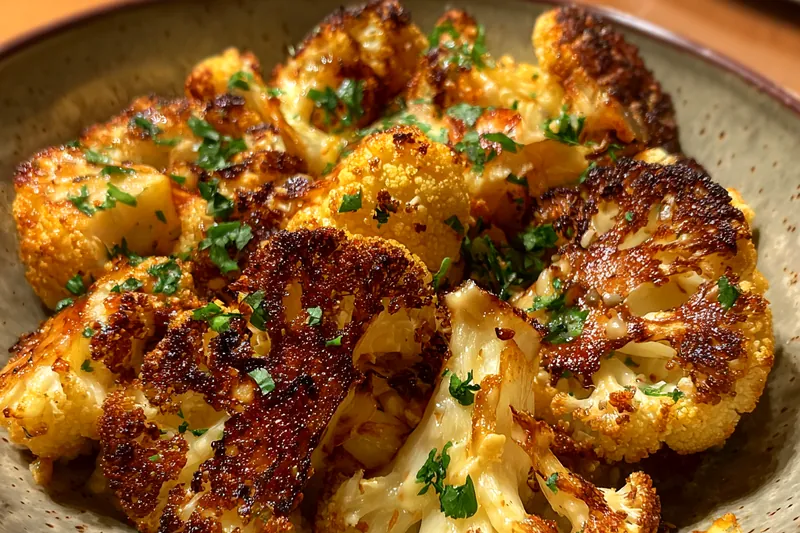
Step-by-Step Cooking Process
The cooking process begins with prepping your ingredients and preheating the oven. Properly seasoning the cauliflower and ensuring even spacing on the baking sheet are crucial steps. Roasting at a high temperature allows for caramelization, bringing out the natural sweetness of the cauliflower.
To achieve perfect results, monitor the cooking time closely, flipping the cauliflower halfway through. The addition of fresh herbs after roasting finalizes the dish and adds brightness. Serving immediately ensures the best texture and flavor.
Key Technique for Perfect Roasted Cauliflower with Herbs
The most important technique for roasting cauliflower is ensuring even cooking through proper spacing and flipping. High heat is essential for achieving a crispy exterior while keeping the interior tender. Tossing the florets in oil and seasoning before roasting ensures maximum flavor absorption.
Roasted Cauliflower with Herbs
📋 Ingredients
Main Ingredients
- 1 cup butterRoom temperature
For the Sauce
- 2 lbs chickenCut into pieces
Instructions
Prepare Ingredients
Detailed instruction...
Recipe Notes & Tips
Storage Tips
Store any leftover Roasted Cauliflower with Herbs in an airtight container in the refrigerator. It can keep for up to four days. Reheat in the oven to restore its crispiness.
Serving Suggestions
This dish can be served warm or at room temperature. Pair it with a yogurt dip or your favorite sauce for added flavor. It also complements grilled meats or can be part of a larger Mediterranean spread.
Recipe Variations
Feel free to experiment with different herbs or spices. You can add a squeeze of lime or lemon zest for a citrusy twist. For a spicy kick, consider adding chili powder or cayenne pepper.