Parmesan Garlic Artisan Bread
Crusty Parmesan garlic artisan bread with a golden, crispy exterior and soft, flavorful interior. Perfect for soups, pasta, or enjoying on its own.

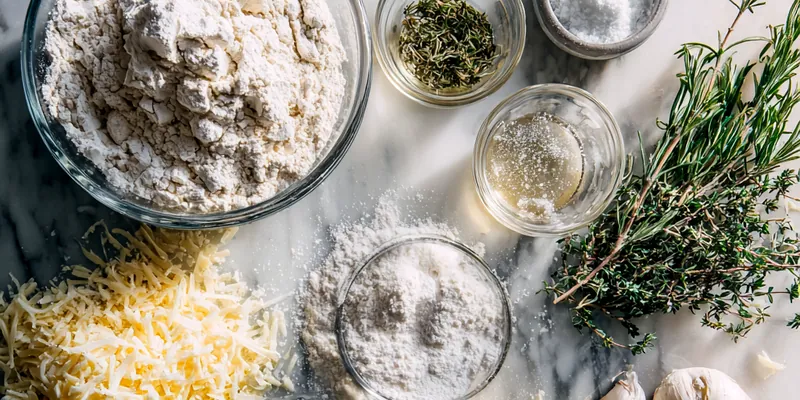
The Science of Perfect Artisan Bread
The key to exceptional artisan bread lies in understanding gluten development and fermentation. Unlike kneaded breads, this recipe uses a long, slow rise that allows the flour to fully hydrate and develop gluten naturally. This creates the characteristic open crumb structure and complex flavor that defines artisan-style loaves.
The combination of Parmesan cheese and garlic incorporated directly into the dough infuses every bite with savory flavor. The cheese also contributes to browning and adds protein, creating a richer, more tender crumb. Using bread flour provides extra protein for better structure, though all-purpose flour works well too.
💡 Professional Tip
For the crispiest crust, create steam in the oven during the first part of baking. If using a Dutch oven, the lid traps moisture naturally. Without one, place a pan of hot water on the oven's bottom rack for the first 25 minutes of baking.
Frequently Asked Questions
Yes! Bake on a preheated baking stone or inverted baking sheet at 450°F. Place a pan of hot water on the bottom rack to create steam, and tent loosely with foil for the first 25 minutes.
The crust should be deep golden brown and sound hollow when tapped on the bottom. An instant-read thermometer inserted in the center should read 200-210°F (93-99°C).
Yes, but dissolve it in the warm water with the honey for 5-10 minutes until foamy before adding to the flour. Use the same amount as instant yeast.
Dense bread usually results from not enough rise time, old yeast, or too much flour. Make sure dough doubles in size during first rise and is puffy before baking. Measure flour by spooning and leveling.
Absolutely! Try adding sun-dried tomatoes, roasted garlic, fresh rosemary, or olives. Keep add-ins to about 1 cup total to avoid weighing down the dough.
Store at room temperature in a paper bag or bread box for 2-3 days. Don't use plastic as it makes the crust soft. For longer storage, slice and freeze for up to 3 months.
Yes! After mixing, refrigerate dough for up to 24 hours for a slower, cold rise that develops even more flavor. Bring to room temperature before shaping (about 1 hour).
Scoring controls where the bread expands during baking, preventing random cracks. It also creates an attractive pattern and allows steam to escape properly.
Recipe Troubleshooting Guide
Dough Too Sticky
Problem: Dough is too wet and sticky to handle
Solution: Use wet or oiled hands instead of adding more flour. The dough should be slightly sticky - that's normal for artisan bread and creates better texture.
Pale Crust
Problem: Bread doesn't brown properly
Solution: Ensure oven is fully preheated (30+ minutes). Bake uncovered for final 10-12 minutes. Brush with butter before baking and increase Parmesan topping for better browning.
Flat Bread
Problem: Loaf doesn't rise well and stays flat
Prevention: Check yeast freshness (should foam when activated). Ensure water temperature is correct (110°F). Give dough enough time to double - don't rush the rises.
Tough Crust
Problem: Crust is too hard and thick
Recovery: Reduce baking time slightly or lower temperature to 425°F. Brush with butter immediately after baking and store in paper bag rather than plastic.
Gummy Interior
Problem: Inside of bread is undercooked and gummy
Prevention: Bake longer until internal temperature reaches 200°F. Let bread cool completely before slicing - cutting too early releases steam and creates gumminess.
Flavor Balance Issues
Too Sweet: Reduce honey to 1 teaspoon or omit entirely for a more savory loaf
Too Salty: Reduce salt to 1 1/2 teaspoons, especially if using very salty Parmesan
Bland: Increase garlic to 8 cloves, add more herbs, or use aged Parmesan with stronger flavor
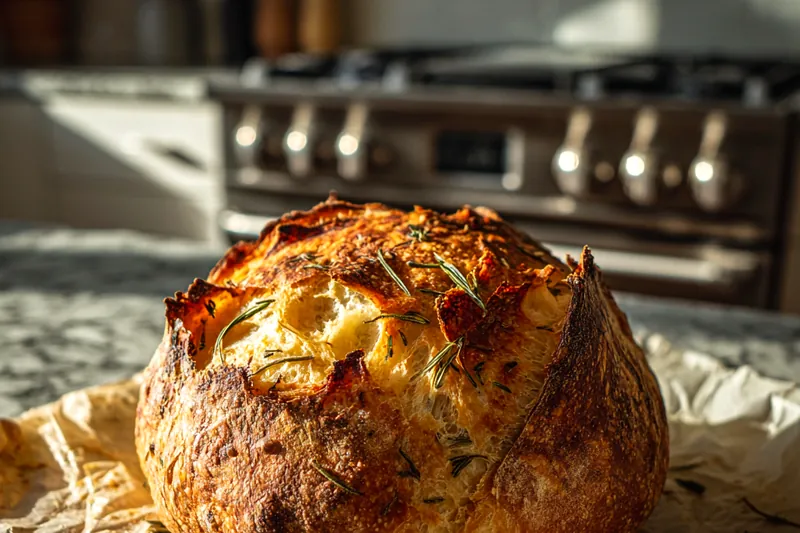
Selecting Quality Bread Ingredients
The foundation of exceptional bread starts with quality flour. Bread flour is ideal because its higher protein content (12-14%) develops stronger gluten for better structure and chew. However, all-purpose flour (10-12% protein) works well too and produces a slightly more tender crumb that some prefer for this enriched bread.
Parmesan cheese quality makes a significant difference in flavor. Use freshly grated Parmigiano-Reggiano or aged Parmesan from the deli counter rather than pre-grated varieties. Fresh garlic is essential - avoid garlic powder as it lacks the aromatic punch and moisture that fresh cloves contribute to the dough.
Essential Ingredient Notes
- Bread Flour: Look for unbleached bread flour with at least 12% protein. King Arthur and Bob's Red Mill are excellent choices. All-purpose flour works as a substitute.
- Parmesan Cheese: Use authentic Parmigiano-Reggiano or aged Parmesan. Grate it yourself just before use for best flavor and texture. Pre-grated cheese contains anti-caking agents that affect melting.
- Fresh Garlic: Choose firm, plump garlic bulbs with tight, papery skin. Avoid sprouting cloves. For mellow flavor, roast the garlic before adding to dough.
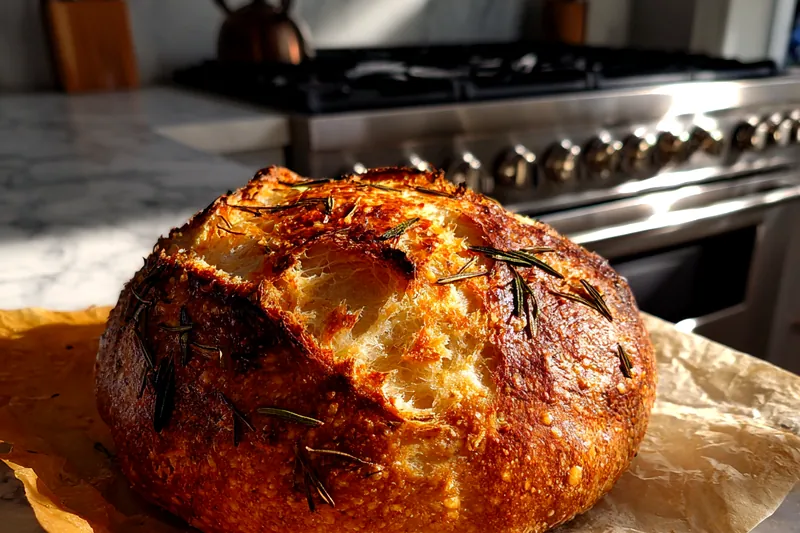
Mastering the Baking Process
The secret to bakery-quality crust is high heat and steam. Preheating your Dutch oven or baking stone for at least 30 minutes creates intense bottom heat that drives oven spring - the rapid rise that occurs when bread first enters the oven. This creates the characteristic lift and open crumb structure.
Steam during the first phase of baking keeps the crust soft initially, allowing maximum expansion before the exterior sets. The Dutch oven method naturally traps steam, while open baking requires adding a pan of water. Removing the lid or steam source for the final 10-12 minutes allows the crust to crisp and develop deep golden color.
The Perfect Score
Use a very sharp knife or bread lame to make quick, confident cuts at a 45-degree angle, about 1/4 to 1/2 inch deep. Don't saw back and forth - one swift motion per cut creates clean scoring.
Parmesan Garlic Artisan Bread
📋 Ingredients
For the Dough
- 30g melted butterFor brushing and shine
- 25g Parmesan cheese (reserved)For topping crust
- Coarse sea saltFinishing touch
- 1/4 tsp red pepper flakes (optional)Adds subtle heat
For Topping
- 500g bread flour or all-purpose flourSpoon and level for accuracy
- 10g saltEnhances flavor
- 7g instant yeast (1 packet)Check freshness date
- 360ml warm water (110°F)Not too hot or cold
- 15ml honeyFeeds yeast, adds subtle sweetness
- 30ml olive oilCreates tender crumb
- 75g Parmesan cheese (for dough)Freshly grated
- 6 cloves garlic, mincedFresh for best flavor
- 15g fresh parsley, choppedAdds color and freshness
- 1 tsp dried Italian herbsOregano, basil, thyme blend
Instructions
Make the Dough
In a large bowl, combine flour, salt, and yeast. In separate bowl, mix warm water, honey, and olive oil. Pour wet ingredients into dry ingredients and stir until a shaggy dough forms. Mix in 3/4 cup Parmesan cheese, minced garlic, parsley, and Italian herbs until evenly distributed.
First Rise
Cover bowl with plastic wrap or damp towel. Let dough rise in a warm place for 2-3 hours until doubled in size. The dough should be bubbly and elastic.
Shape the Loaf
Lightly flour work surface and turn out dough. Gently shape into a round or oval loaf without deflating too much. Place on parchment paper. Score the top with a sharp knife in a cross or decorative pattern.
Second Rise and Preheat
Cover shaped loaf loosely and let rise for 45-60 minutes until puffy. During last 30 minutes of rise, preheat oven to 450°F (230°C) with Dutch oven or baking stone inside.
Add Toppings and Bake
Brush loaf with melted butter, sprinkle remaining 1/4 cup Parmesan and coarse sea salt on top. Carefully transfer to preheated Dutch oven or baking stone. Bake covered for 25 minutes, then uncover and bake 10-12 minutes more until deep golden brown. Internal temperature should reach 200°F (93°C). Cool on wire rack for at least 30 minutes before slicing.
Recipe Notes & Tips
Storage
Store bread at room temperature in a paper bag or bread box for 2-3 days. For longer storage, slice and freeze in a freezer bag for up to 3 months. Toast slices directly from frozen.
Serving Suggestions
Serve warm with butter, alongside pasta dishes, with soup or salad, or use for amazing garlic bread by slicing, buttering, and broiling. Makes exceptional sandwiches and bruschetta.
Variations
Try adding sun-dried tomatoes, roasted red peppers, or fresh rosemary to the dough. For extra garlic flavor, brush with roasted garlic butter after baking. Substitute Asiago or Gruyère cheese for different flavor profiles.