Pan-Seared Lemon Butter Sole with Fresh Herbs
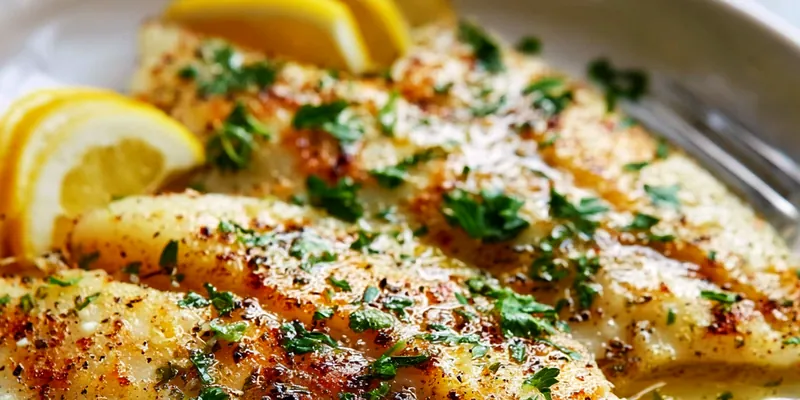
This elegant pan-seared sole with lemon butter sauce delivers restaurant-quality results in just 15 minutes. The delicate fillets develop a beautiful golden crust while staying incredibly moist and flaky inside. A bright, buttery sauce with capers and fresh herbs elevates this simple weeknight dinner into something truly special.

Why This Sole Recipe Works
Sole is one of the most delicate fish you can cook, which means it requires a gentle but confident approach. The key is creating contrast—a light, crispy exterior that gives way to tender, flaky flesh. By dredging the fillets in seasoned flour rather than a heavy breading, we get just enough structure to create that golden crust without overpowering the fish's mild, sweet flavor. The high heat is essential here; it allows the fish to cook quickly before it has a chance to dry out.
The lemon butter sauce is intentionally bright and punchy to complement sole's subtle taste. Unlike richer fish like salmon, sole benefits from acidic, herbaceous accompaniments that enhance rather than compete. The capers add a briny pop, while fresh herbs provide aromatic complexity. Using the same pan to make the sauce isn't just efficient—it captures all those flavorful browned bits from searing the fish, creating depth that makes this simple sauce taste like it came from a fine dining kitchen.
💡 Professional Tip
Always pat your fish completely dry before cooking—moisture is the enemy of a good sear. Use paper towels and even let the fillets air-dry in the refrigerator for 15 minutes if you have time. The drier the surface, the better the crust.
Frequently Asked Questions
This dish is best enjoyed immediately after cooking, as sole is so delicate that it doesn't reheat well. However, you can prepare your mise en place ahead—measure ingredients, mince garlic, chop herbs, and portion the fish. With everything prepped, the actual cooking takes just 10 minutes, making it perfect for entertaining.
Flounder, plaice, or Dover sole are excellent substitutes with similar texture and cooking times. Tilapia or cod fillets will also work, though they're slightly thicker and may need an extra minute of cooking. Avoid oily fish like salmon or mackerel, as they won't pair well with this light sauce preparation.
Fish sticks when it's not ready to flip or when the pan isn't hot enough. Make sure your oil-butter mixture is shimmering before adding fish, and resist the urge to move the fillets once they hit the pan. They'll naturally release when a proper crust forms, usually after 2-3 minutes. Using a fish spatula helps tremendously.
Absolutely! Replace white wine with additional chicken broth or vegetable broth for similar depth. You can also use a splash of dry vermouth. The acidity from the lemon juice is really what makes the sauce bright, so the wine is more about adding subtle complexity than being essential.
Sole cooks very quickly—usually 2-3 minutes per side. The fish is done when it turns opaque throughout and flakes easily with a fork. The internal temperature should reach 145°F, though sole is so thin that checking temperature can damage the fillet. Look for the flesh to turn from translucent to opaque white and feel just firm to the touch.
This elegant fish pairs beautifully with simple sides that won't compete: roasted asparagus, steamed green beans, garlic mashed potatoes, or wild rice pilaf. A light salad with lemon vinaigrette works wonderfully. Keep sides relatively neutral to let the bright lemon butter sauce shine.
Yes, but proper thawing is crucial. Thaw sole slowly in the refrigerator overnight, never at room temperature or in water, as this can make the delicate flesh mushy. Once thawed, pat extremely dry before cooking. Fresh sole will always give superior texture, but properly handled frozen fish works well.
Store leftover sole in an airtight container in the refrigerator for up to 1 day. The texture will soften significantly upon reheating, so I recommend enjoying leftovers cold—flake the fish over a green salad or use in fish tacos. If you must reheat, do so gently in a low oven (300°F) for just a few minutes.
Recipe Troubleshooting Guide
Fish Falls Apart When Flipping
Problem: Sole fillets are breaking apart when you try to turn them in the pan.
Solution: Use two spatulas to flip—slide one under the fish and use the other to support the top. Make sure the first side has developed a proper crust (2-3 minutes) before attempting to flip. If fillets are very thin, consider cooking them through on just one side, then finishing with a brief time under the broiler instead of flipping.
Flour Coating Looks Gummy
Problem: The flour coating becomes pasty instead of forming a nice crust.
Solution: This happens when the fish is too wet or the pan isn't hot enough. Always pat fish completely dry, let it air-dry if possible, and make sure your oil-butter mixture is actively shimmering before adding fish. Use very light flour dusting—excess flour absorbs moisture and creates gumminess.
Fish Overcooks and Dries Out
Problem: The sole turns out tough and dry instead of tender and flaky.
Prevention: Sole cooks extremely fast—err on the side of slightly underdone as it will continue cooking from residual heat. Use medium-high (not high) heat, cook no more than 2-3 minutes per side, and remove from pan immediately. If fillets are particularly thin, reduce cooking time to 90 seconds per side.
Sauce Is Too Thin
Problem: The lemon butter sauce is watery and won't coat the fish.
Recovery: Let the wine and lemon juice reduce for a full 2-3 minutes at a simmer before adding the final butter. The liquid should reduce by about one-third and look slightly syrupy. Make sure to remove from heat before swirling in the butter, as this creates an emulsion that thickens the sauce naturally.
Sauce Tastes Too Acidic
Problem: The lemon flavor is overwhelming and harsh.
Prevention: Balance acidity by adding one more tablespoon of butter or a small pinch of sugar. You can also add an extra splash of broth to dilute. Next time, start with 3 tablespoons of lemon juice instead of 1/4 cup and adjust to taste. Fresh lemon juice varies in acidity.
Flavor Balance Issues
Too Sweet: Not typically an issue with this savory recipe, but if the wine adds unexpected sweetness, use a drier wine next time or replace with broth.
Too Salty: If too salty, likely from capers and seasoning combined, add unsalted butter or a squeeze more lemon juice to balance. Use low-sodium broth if substituting for wine.
Bland: Boost flavor by increasing garlic by one clove, adding more capers, using fresh herbs generously, and making sure you season the fish well before cooking. Don't skip scraping up the pan bits when making sauce.
Selecting and Preparing Quality Sole
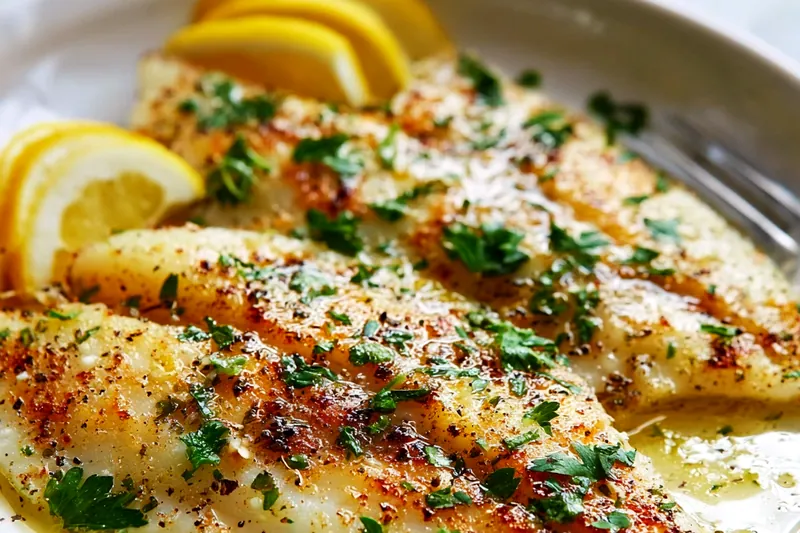
When shopping for sole, look for fillets that are translucent and slightly glossy with a fresh, ocean-like smell—never fishy or ammonia-like. The flesh should be firm to the touch and spring back when pressed gently. Sole fillets are naturally quite thin, typically about 1/4 to 1/2 inch thick, which is why they cook so quickly. If possible, ask your fishmonger for fillets that are similar in size so they cook evenly.
Quality matters significantly with delicate white fish. Wild-caught Dover sole or petrale sole offer the best flavor and texture, though they can be pricey. Grey sole and lemon sole are excellent mid-range options. If sole isn't available, other flatfish like flounder make worthy substitutes. Avoid pre-seasoned or breaded versions for this recipe—you want pure, unadulterated fillets that you can season and coat yourself.
Essential Ingredient Notes
- Sole Fillets: Choose fillets of uniform thickness for even cooking. Fresh sole should have translucent flesh and smell clean. Pat completely dry before cooking—this is the most important step for achieving a golden crust.
- Fresh Lemons: Use fresh lemon juice only—bottled lacks the bright, vibrant flavor this sauce needs. Roll lemons on the counter before cutting to release more juice. Meyer lemons offer a slightly sweeter, more complex option.
- Unsalted Butter: European-style butter with higher fat content creates a richer, silkier sauce. Using unsalted gives you better control over seasoning, especially since capers add their own saltiness.
Mastering the Pan-Sear Technique
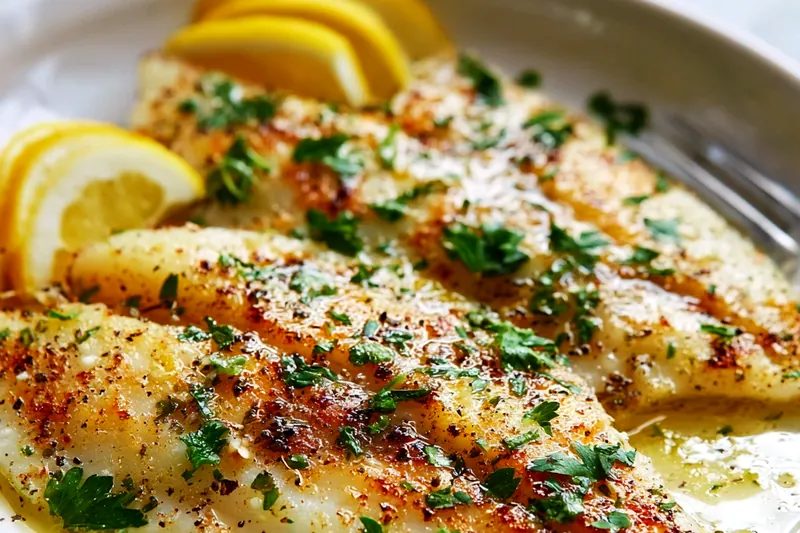
Pan-searing delicate fish like sole requires understanding heat management and timing. The combination of butter and olive oil is strategic—olive oil raises the smoke point so you can use higher heat without burning, while butter adds incomparable flavor and helps create that gorgeous golden crust. Start with medium-high heat and wait until the butter foams and just begins to subside before adding fish. This indicates the water has cooked out of the butter and it's ready to properly sear.
The biggest mistake home cooks make is moving the fish too much. Once the fillet hits the pan, leave it completely alone for the full 2-3 minutes. It will naturally release when ready—trying to flip too early causes sticking and tearing. Work in batches if your pan isn't large enough to fit all fillets without crowding. Crowding drops the pan temperature and causes steaming instead of searing. Keep finished fillets warm on a plate tented with foil while you cook remaining fish and make the sauce.
Creating a Restaurant-Quality Pan Sauce
The magic of a pan sauce is that it's made in the same skillet you cooked the protein in, capturing all those flavorful browned bits (fond) stuck to the bottom. After removing the fish, add your aromatics (garlic) first to bloom in the residual heat, then deglaze with liquid (wine/lemon juice) while scraping the bottom with a wooden spoon. Let it reduce to concentrate flavors, then finish by swirling in cold butter off heat—this creates an emulsion that gives the sauce body and sheen without using cream or thickeners.
Pan-Seared Lemon Butter Sole with Fresh Herbs
📋 Ingredients
For the Fish
- 3 cloves garlic, mincedMince finely so it cooks quickly without burning
- 1/2 cup dry white wine or chicken brothPinot Grigio or Sauvignon Blanc work perfectly
- 1/4 cup fresh lemon juice (about 2 lemons)Always use fresh-squeezed for best flavor
- 2 tablespoons capers, drainedAdds briny, tangy pops of flavor throughout
- 1/4 cup fresh parsley, choppedItalian flat-leaf parsley has better flavor than curly
- 1 tablespoon fresh thyme leavesStrip leaves from stems; avoid using woody stems
For the Lemon Butter Sauce
- 4 sole fillets (6 oz each), patted dryLook for translucent, firm fillets with no fishy odor
- 1/2 cup all-purpose flour, seasoned with salt and pepperLight coating only—dust off excess for delicate crust
- 3 tablespoons unsalted butter, divided1 tablespoon for cooking, 2 for finishing the sauce
- 2 tablespoons olive oilCombined with butter prevents burning at high heat
- Salt and freshly ground black pepper to tasteSeason generously—sole needs good seasoning
- Lemon slices for garnishThin slices add visual appeal and extra brightness
Instructions
Prepare the Fish
Pat sole fillets completely dry with paper towels—this is crucial for achieving a golden crust. Season both sides generously with salt and freshly ground black pepper. Place seasoned flour in a shallow dish and dredge each fillet lightly, coating both sides evenly. Shake off any excess flour so you have just a thin, even coating that will crisp up beautifully without becoming gummy.
Sear the Sole
Heat 1 tablespoon butter and 2 tablespoons olive oil in a large skillet over medium-high heat until the butter foams. Carefully add fillets presentation-side down (the side that was against the skin), working in batches if necessary to avoid crowding. Cook undisturbed for 2-3 minutes until deeply golden. Using a fish spatula, flip carefully and cook another 1-2 minutes until just cooked through and opaque. Transfer to a warm plate and tent loosely with foil.
Create the Lemon Butter Sauce
In the same skillet over medium heat, add minced garlic and sauté for 30 seconds until fragrant but not browned. Pour in white wine and lemon juice, scraping up all the flavorful browned bits from the bottom of the pan with a wooden spoon. Let simmer for 2-3 minutes until reduced by about one-third and slightly thickened. The sauce should coat the back of a spoon lightly.
Finish and Serve
Remove the skillet from heat and swirl in remaining 2 tablespoons cold butter until completely melted and the sauce looks glossy and emulsified. Stir in capers, chopped parsley, and fresh thyme leaves. Taste and adjust seasoning with salt and pepper as needed. Return fish to the pan briefly just to coat with sauce, or arrange fillets on plates and spoon sauce generously over top. Garnish with fresh lemon slices and serve immediately while hot.
Recipe Notes & Tips
Storage
Store leftover sole in an airtight container in the refrigerator for up to 1 day. The delicate texture doesn't reheat well, so consider enjoying leftovers cold in a salad or fish tacos. If reheating, do so very gently in a 300°F oven for just 3-4 minutes to avoid drying out the fish.
Serving Suggestions
This elegant sole pairs beautifully with simple sides like roasted asparagus, garlic green beans, herb-roasted potatoes, or wild rice pilaf. A crisp white wine like Sauvignon Blanc or Pinot Grigio complements the bright lemon sauce perfectly. Finish the meal with a light dessert like lemon sorbet or fresh berries.
Variations
Try almondine style by adding toasted sliced almonds to the finished sauce. For a Mediterranean twist, include sun-dried tomatoes and olives. You can also finish with a splash of cream for a richer sauce, or add a pinch of red pepper flakes for subtle heat. Substitute different herbs like dill, tarragon, or chives based on your preference.