Honey Garlic Glazed Pork Tenderloin
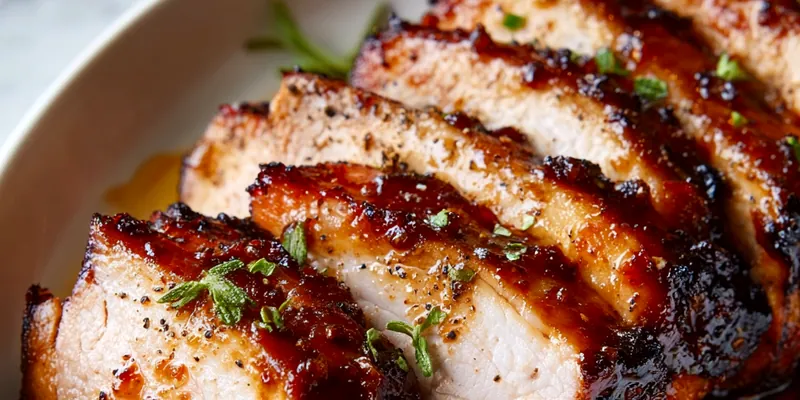
This honey garlic glazed pork tenderloin delivers restaurant-quality results with minimal effort. The combination of sweet honey and savory garlic creates a deeply caramelized crust while keeping the interior incredibly juicy and tender. Perfect for busy weeknights or impressing dinner guests, this recipe transforms simple ingredients into an elegant main course.

Why This Honey Garlic Pork Recipe Works
Pork tenderloin is one of the most forgiving cuts of meat when cooked properly, and this recipe maximizes its natural tenderness while adding incredible flavor. The marinade does double duty: the acid from rice vinegar and enzymes in ginger help break down proteins for tenderness, while the honey and soy sauce create a flavor base that caramelizes beautifully during cooking. The key is not over-marinating, as pork tenderloin is already tender and too much time in acid can make it mushy rather than succulent.
The cooking method combines the best of both worlds: high-heat searing for a caramelized crust and oven roasting for even cooking throughout. This technique ensures you get that gorgeous golden-brown exterior while maintaining a perfectly pink, juicy center. The reserved marinade acts as a glaze that thickens and intensifies as it cooks, creating a sauce that's both sweet and savory with complex umami notes from the soy sauce and garlic. Resting the meat after cooking is crucial, allowing the juices to redistribute so every slice is moist and flavorful.
💡 Professional Tip
Use an instant-read thermometer and remove the pork at exactly 145°F internal temperature. The meat will continue cooking to 150°F during resting, giving you perfectly medium doneness with a slight blush of pink. Overcooking is the most common mistake with pork tenderloin, resulting in dry, tough meat.
Frequently Asked Questions
Yes, you can marinate the pork up to 24 hours in advance for even deeper flavor. For meal prep, you can cook the tenderloin completely, let it cool, and refrigerate for up to 3 days. Reheat sliced pork gently in a covered dish at 325°F for 10-12 minutes, or enjoy cold sliced on salads. The glaze can be made up to a week ahead and stored in the refrigerator.
Apple cider vinegar or white wine vinegar work well as substitutes. Use slightly less as they're more acidic than rice vinegar. You can also use fresh lemon juice for a brighter, citrusy note, or balsamic vinegar for a richer, more complex flavor profile. Each will slightly change the final taste but all work beautifully with the honey-garlic combination.
Searing creates a flavorful caramelized crust through the Maillard reaction, which adds depth and complexity that oven-roasting alone can't achieve. It also helps seal in moisture and creates texture contrast between the crispy exterior and tender interior. The fond (browned bits) left in the pan after searing adds extra flavor to your glaze as well.
While tenderloin is ideal for its quick cooking time and tenderness, you can adapt this recipe for pork chops (reduce cooking time to 12-15 minutes) or pork loin roast (increase time to 45-60 minutes). Adjust cooking times based on thickness and always use a meat thermometer to ensure you reach 145°F internal temperature.
The most reliable method is using an instant-read thermometer inserted into the thickest part of the tenderloin. Remove from oven at 145°F for medium doneness with a slightly pink center. The meat should feel firm but still have some give when pressed. Visual cues include clear juices running from the meat and a deeply caramelized, golden-brown exterior. After resting, the center should be pale pink and very juicy.
This glazed pork pairs beautifully with roasted vegetables like Brussels sprouts, carrots, or asparagus. Mashed potatoes or cauliflower mash soak up the delicious glaze perfectly. For lighter options, serve over mixed greens as a warm salad or alongside quinoa pilaf. The sweet-savory glaze also complements rice dishes, sautéed green beans, or a simple arugula salad with balsamic vinaigrette.
Absolutely! Increase the red pepper flakes to 1/2-1 teaspoon, add a tablespoon of sriracha to the marinade, or include sliced fresh jalapeños. For a different heat profile, try adding 1-2 teaspoons of gochugaru (Korean chili flakes) or a tablespoon of sambal oelek. You can also serve with a spicy dipping sauce on the side for those who want extra heat.
Store sliced pork in an airtight container with any remaining glaze drizzled over top, refrigerated for up to 4 days. Reheat gently in a covered skillet over low heat with a splash of water or broth to prevent drying out. You can also freeze cooked pork (without the fresh herb garnish) for up to 3 months. Thaw overnight in the refrigerator before reheating. Leftover pork makes excellent sandwiches, grain bowls, or salad toppers.
Recipe Troubleshooting Guide
Pork Is Dry or Tough
Problem: The pork tenderloin came out dry and chewy instead of juicy and tender.
Solution: This is almost always caused by overcooking. Pork tenderloin is lean and becomes dry quickly past 150°F. Invest in a reliable instant-read thermometer and remove the pork at exactly 145°F. Also ensure you're letting it rest properly for 5-7 minutes before slicing, which allows juices to redistribute throughout the meat.
Glaze Is Too Thin
Problem: The honey garlic glaze is watery and won't stick to the pork or thicken properly.
Solution: After removing the pork from the skillet, place the pan back on the stovetop over medium heat and simmer the glaze for 2-4 minutes until it reduces and thickens to a syrupy consistency. You can also add a teaspoon of cornstarch mixed with water to help thicken it. Make sure you're using real honey, not honey-flavored syrup, as it thickens better.
Glaze Burns During Cooking
Problem: The honey glaze is burning and becoming bitter instead of caramelizing.
Prevention: If the glaze starts to darken too quickly during roasting, tent the pork loosely with aluminum foil for the remaining cooking time. You can also reduce oven temperature to 375°F and cook slightly longer. Make sure you're brushing on the glaze after searing, not before, and avoid using high heat in the oven, which causes the sugars in honey to burn rather than caramelize.
Pork Won't Brown Properly
Problem: The pork tenderloin isn't developing a nice caramelized crust during searing.
Recovery: Make sure the pork is completely dry before searing by patting it thoroughly with paper towels. Moisture prevents browning. Let excess marinade drip off before placing in the hot skillet. Ensure your pan is properly preheated over medium-high heat and don't move the pork around once it hits the pan. Let it sear undisturbed for 2-3 minutes per side to develop that golden crust.
Uneven Cooking
Problem: One end of the tenderloin is overcooked while the other end is undercooked.
Prevention: Pork tenderloin naturally tapers from thick to thin. Tuck the thin tail end under and secure with kitchen twine to create a more uniform thickness. This ensures even cooking throughout. You can also cut the tenderloin into two pieces and cook them separately, or adjust placement in the pan so the thicker portion is toward the center of the oven.
Flavor Balance Issues
Too Sweet: If the glaze tastes too sweet, add an extra tablespoon of soy sauce and a squeeze of fresh lemon juice to balance with salt and acidity. A pinch of black pepper or extra ginger also helps cut sweetness.
Too Salty: If too salty, add 1-2 tablespoons more honey and a splash of water to dilute. You can also serve with unsalted sides like plain rice or roasted vegetables to balance the saltiness across the meal.
Bland: If the flavor is weak, the pork likely wasn't marinated long enough or the glaze wasn't reduced properly. Next time, marinate for at least 2 hours and make sure to reduce the glaze until syrupy. Add a touch more garlic, ginger, or a dash of sesame oil for extra depth.
Choosing the Perfect Ingredients
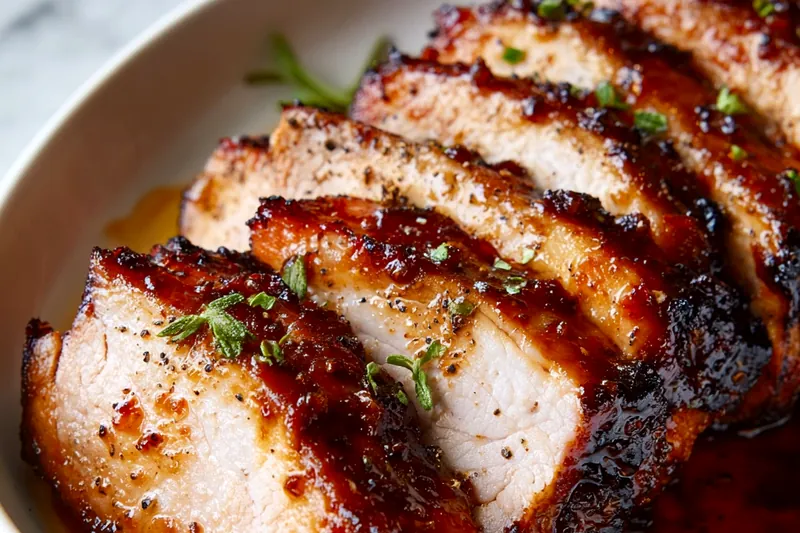
The quality of your pork tenderloin makes a significant difference in the final dish. Look for tenderloins that are firm to the touch with a pale pink color and minimal marbling. Avoid packages with excessive liquid or those labeled 'enhanced' or 'flavored,' as these have been injected with salt solutions that can make them mushy and interfere with your marinade. Fresh, never-frozen tenderloin will have the best texture, but frozen is perfectly acceptable if properly thawed in the refrigerator over 24 hours.
For the glaze, use pure honey rather than processed honey blends, as real honey caramelizes better and has more complex flavor. Raw honey works beautifully but any quality pure honey will do. Choose low-sodium soy sauce to better control salt levels, and use fresh garlic rather than pre-minced for the best flavor. Fresh ginger root, grated on a microplane, provides bright, spicy notes that ground ginger powder simply cannot replicate. These small quality choices compound into noticeably superior results.
Essential Ingredient Notes
- Pork Tenderloin: Select tenderloins between 1-1.5 pounds for even cooking. Remove the silver skin (the thin, silvery membrane) completely before marinating, as it's tough and doesn't break down during cooking. Room temperature meat sears better, so let it sit out for 15-20 minutes before cooking.
- Honey: Use pure, high-quality honey for best caramelization. Darker honeys like buckwheat or wildflower provide deeper, more robust flavor, while lighter honeys like clover or acacia offer subtle sweetness. Avoid honey that's been heavily filtered or processed, as it won't create the same glossy, thick glaze.
- Fresh Garlic and Ginger: Mince garlic finely so it distributes evenly throughout the marinade and doesn't burn during cooking. Grate ginger on a microplane for the finest texture that blends seamlessly. Both should be fresh rather than jarred for the brightest, most aromatic flavor that defines this dish.
Mastering the Cooking Technique
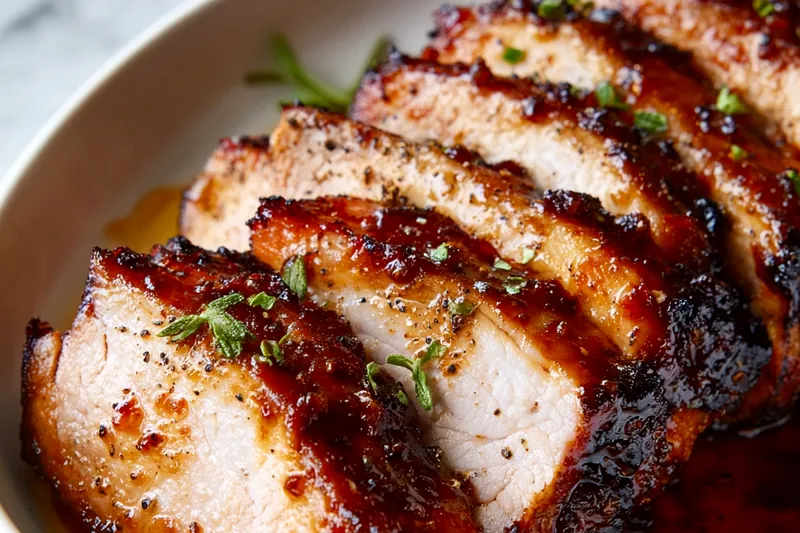
The key to perfectly cooked pork tenderloin lies in understanding the two-stage cooking method. Searing at high heat creates a flavorful crust through caramelization and the Maillard reaction, where amino acids and sugars react to create hundreds of new flavor compounds. This step should only take 8-10 minutes total for all sides. The oven-roasting stage then gently brings the interior to the perfect temperature without overcooking the exterior. This combination gives you the best of both worlds: texture and flavor on the outside, tender juiciness on the inside.
Temperature control is everything with lean cuts like pork tenderloin. The USDA recommends 145°F for pork, which results in a slightly pink center that's both safe and incredibly juicy. Many home cooks grew up believing pork needed to be cooked to 160°F or higher, but this outdated guideline produces dry, tough meat. Using an instant-read thermometer takes the guesswork out and ensures perfect results every time. The resting period isn't optional—those few minutes allow muscle fibers to relax and reabsorb juices that would otherwise spill out onto your cutting board.
The Perfect Sear
Achieving a restaurant-quality sear requires three things: dry meat, a hot pan, and patience. Pat the pork completely dry and let excess marinade drip off. Heat your skillet until a drop of water sizzles and evaporates immediately. Place the tenderloin in the pan and resist the urge to move it. Let it develop a golden-brown crust for 2-3 minutes before rotating. The meat will naturally release when it's properly seared—if it's sticking, it needs another minute. This crust isn't just about appearance; it's packed with flavor that enhances every bite.
Honey Garlic Glazed Pork Tenderloin
📋 Ingredients
For the Glaze
- 1/3 cup honeyUse pure honey for best caramelization and flavor
- 1/4 cup soy sauceLow-sodium preferred to control saltiness
- 4 cloves garlic, mincedFresh garlic only - mince finely for even distribution
- 1 tablespoon Dijon mustardAdds tang and helps emulsify the glaze
- 1 tablespoon rice vinegarCan substitute apple cider vinegar
- 1 teaspoon fresh ginger, gratedGrate on microplane for finest texture
- 1/2 teaspoon black pepperFreshly ground for best flavor
- 1/4 teaspoon red pepper flakesOptional for gentle heat - increase to taste
For the Pork
- 1.5 lbs pork tenderloin, trimmedRemove all silver skin before marinating
- 2 tablespoons olive oilFor searing - can use avocado oil for higher smoke point
- 2 tablespoons butterAdded at end for richness and glossy finish
- Fresh rosemary for garnishAdds beautiful aroma and presentation
Instructions
Prepare the Marinade
In a medium bowl, whisk together honey, soy sauce, minced garlic, Dijon mustard, rice vinegar, grated ginger, black pepper, and red pepper flakes until well combined. Reserve 1/4 cup of marinade in a separate container for glazing during cooking.
Marinate the Pork
Pat pork tenderloin completely dry with paper towels. Place in a large zip-top bag or shallow dish and pour remaining marinade over the pork. Massage marinade into meat, ensuring all sides are coated. Seal and refrigerate for at least 30 minutes or up to 4 hours for deeper flavor penetration.
Sear the Tenderloin
Preheat oven to 400°F. Heat olive oil in a large oven-safe skillet over medium-high heat until shimmering. Remove pork from marinade, letting excess drip off. Sear on all sides until golden brown and caramelized, about 2-3 minutes per side, rotating to cook all surfaces evenly.
Roast and Glaze
Brush reserved marinade generously over the seared pork. Transfer skillet to preheated oven and roast for 15-18 minutes, basting with pan juices halfway through, until internal temperature reaches 145°F on an instant-read thermometer. Add butter to pan juices during final 2 minutes for extra richness and glossy finish.
Rest and Serve
Remove from oven and tent loosely with aluminum foil. Let rest for 5-7 minutes to allow juices to redistribute throughout the meat. Slice into 1/2-inch thick medallions, arrange on serving platter, and drizzle with thickened pan sauce. Garnish with fresh rosemary sprigs and serve immediately.
Recipe Notes & Tips
Storage
Store leftover pork in an airtight container with remaining glaze drizzled over top for up to 4 days in the refrigerator. Reheat gently in a covered skillet over low heat with a splash of water or chicken broth. Can be frozen for up to 3 months; thaw overnight in refrigerator before reheating.
Serving Suggestions
Serve with roasted vegetables, mashed potatoes, or over mixed greens as a warm salad. The sweet-savory glaze pairs beautifully with rice pilaf, quinoa, sautéed green beans, or garlic roasted Brussels sprouts. Consider pairing with a crisp white wine or light red like Pinot Noir.
Variations
Make it spicier with extra red pepper flakes or sriracha. Try different honeys for varied flavor profiles. Substitute maple syrup for honey for a different sweetness. Add orange zest for citrus notes, or use balsamic vinegar instead of rice vinegar for deeper complexity. Can also be made on the grill over medium-high heat.