Honey Butter Roasted Sweet Potatoes with Feta
These honey butter roasted sweet potatoes are the ultimate side dish that combines sweet, savory, and tangy flavors in perfect harmony. The natural sweetness of the sweet potatoes caramelizes beautifully with the honey butter glaze, while the feta adds a creamy, salty contrast. Ready in under an hour, this dish is impressive enough for holiday tables yet simple enough for busy weeknights.


Why This Recipe Works
The magic of this recipe lies in the cooking technique and temperature. Roasting at 425°F creates the ideal environment for caramelization - hot enough to develop those crispy, golden edges while allowing the interior to become perfectly tender and creamy. The high heat also helps the natural sugars in the sweet potatoes concentrate and caramelize, creating complex flavors that go far beyond simple sweetness. Slicing the sweet potatoes into thick rounds rather than cubes maximizes surface area for caramelization while maintaining a creamy interior.
The honey butter glaze serves multiple purposes in this recipe. First, it adds richness and helps conduct heat evenly across the surface of each sweet potato round. Second, the combination of butter and honey creates a glaze that caramelizes beautifully without burning, thanks to the protective fat content from the butter. The honey's natural sugars enhance the sweet potato's inherent sweetness while adding floral notes. Finally, the addition of thyme and smoked paprika introduces aromatic complexity that prevents the dish from being one-dimensionally sweet. The feta cheese, added at the end, provides a crucial salty, tangy counterpoint that balances the sweetness and adds creamy texture.
💡 Professional Tip
Don't skip flipping the sweet potatoes halfway through cooking. This ensures both sides develop that coveted caramelization and prevents one side from becoming too dark while the other remains pale. Also, make sure your sweet potato rounds are similar in thickness so they cook evenly.
Frequently Asked Questions
Yes! You can prepare the sweet potato rounds and honey butter mixture up to 24 hours in advance. Keep them separate in the refrigerator. When ready to cook, let the sweet potatoes come to room temperature for 15 minutes, then proceed with coating and roasting. For best results, add the feta fresh just before serving. If you need to fully prepare ahead, roast the sweet potatoes and store them in an airtight container for up to 2 days, then reheat in a 375°F oven for 10 minutes and add fresh feta.
Absolutely! While feta's tangy, salty profile works perfectly, you can substitute with goat cheese for a creamier, milder flavor, or use crumbled blue cheese for a more pungent option. Parmesan shavings also work well if you prefer a nuttier flavor. For a dairy-free version, try using cashew-based vegan feta or simply omit the cheese and add extra fresh herbs and a squeeze of lemon juice for brightness.
Crispy edges require three key elements: high heat, proper spacing, and not overcrowding the pan. Make sure your oven is fully preheated to 425°F before adding the sweet potatoes. Leave at least half an inch of space between each round so steam can escape - overcrowding creates steam that prevents caramelization. Also ensure your sweet potato rounds are patted dry before coating with the honey butter mixture, as excess moisture inhibits crisping. If you're doubling the recipe, use two baking sheets rather than crowding everything onto one.
While you could use regular potatoes, the flavor profile would be quite different since sweet potatoes have natural sugars that caramelize beautifully with the honey butter. If using regular potatoes, choose Yukon Gold for their buttery texture and slightly sweet flavor. You'll want to increase the cooking time by about 5-10 minutes since regular potatoes are typically denser. The honey butter glaze will still work, but consider adding a pinch of brown sugar to compensate for the lack of natural sweetness.
The sweet potatoes are done when they're fork-tender in the center, with deeply caramelized, golden-brown edges that look slightly crispy. A fork or knife should slide through the center with no resistance. Visual cues include the glaze bubbling and darkening at the edges (but not burning), and the sweet potato flesh appearing slightly translucent around the edges. The total cooking time of 35 minutes is reliable, but always do the fork test to ensure they're cooked through, as thickness variations can affect timing.
These honey butter sweet potatoes pair beautifully with roasted chicken, grilled pork chops, or herb-crusted salmon for a complete dinner. They're also perfect alongside holiday favorites like roast turkey, glazed ham, or prime rib. For a vegetarian meal, serve them with quinoa pilaf and sautéed greens. The sweet-savory profile also complements Mediterranean dishes like lamb kebabs or Greek-style chicken. Add a simple green salad with lemon vinaigrette to balance the richness of the sweet potatoes.
Definitely! This recipe is wonderfully adaptable. For a spicier version, add a pinch of cayenne pepper or drizzle with hot honey. Try maple syrup instead of honey for a deeper, more robust sweetness. You can also experiment with different herbs - rosemary and sage work beautifully in place of thyme. For a Middle Eastern twist, add cumin and coriander to the glaze and top with pomegranate seeds instead of feta. A sprinkle of toasted pecans or walnuts adds wonderful texture contrast.
Store leftover roasted sweet potatoes in an airtight container in the refrigerator for up to 4 days. To reheat, spread them on a baking sheet and warm in a 375°F oven for 8-10 minutes until heated through. Avoid microwaving if possible, as it can make them soggy rather than maintaining that caramelized exterior. You can also reheat them in an air fryer at 375°F for 5-6 minutes for best results. If the feta hasn't been added yet, wait to add it fresh after reheating for the best texture and flavor.
Recipe Troubleshooting Guide
Sweet Potatoes Are Burning
Problem: The edges of your sweet potatoes are getting too dark or burned before the centers are tender.
Solution: This usually means your oven is running hot or the sweet potatoes are too close to the heating element. Reduce oven temperature to 400°F and move the rack to the center position. Also check that you're not using too much honey in the glaze, as excess sugar can burn. If needed, tent the pan loosely with foil during the last 10 minutes of cooking to prevent further browning while the centers finish cooking.
Glaze Is Too Thin or Running Off
Problem: The honey butter mixture slides off the sweet potatoes and pools on the pan instead of coating them.
Solution: This happens when the glaze is too warm or thin. Let the honey butter mixture cool for 2-3 minutes after mixing so it thickens slightly before brushing. Also, make sure you're brushing rather than pouring the glaze, which gives you more control. Pat the sweet potato rounds dry before coating so the glaze has something to adhere to. If the mixture is still too thin, you can reduce the olive oil by half or add an extra half tablespoon of honey to thicken it.
Sweet Potatoes Are Soggy in the Middle
Problem: The sweet potatoes look cooked on the outside but are still hard or undercooked in the center.
Prevention: Your rounds might be cut too thick. Aim for exactly 1-inch thickness - any thicker and the centers won't cook through in the allotted time. If you've already started cooking, reduce oven temperature to 375°F and continue cooking for an additional 10-15 minutes. For next time, test your sweet potatoes with a fork after 25 minutes, and if they're still quite firm, plan for extra cooking time. Using sweet potatoes that are similar in diameter also ensures even cooking.
Feta Isn't Melting Nicely
Problem: The feta cheese stays crumbly and doesn't soften or adhere to the sweet potatoes.
Recovery: Add the feta while the sweet potatoes are still piping hot straight from the oven - the residual heat is crucial for softening the cheese slightly. You can also try warming your feta to room temperature before adding it. For a more melted effect, place the feta-topped sweet potatoes under the broiler for 30-60 seconds, watching carefully. Alternatively, use a softer feta cheese rather than the super-crumbly dry varieties - feta stored in brine tends to be creamier.
Sweet Potatoes Stick to the Pan
Problem: The caramelized sweet potatoes are sticking to the baking sheet and breaking apart when you try to remove them.
Prevention: Prevention is key here - always use parchment paper or a silicone baking mat, not just a greased pan. The sugars in the honey butter will caramelize and stick to bare metal. If they've already stuck, let the pan cool for 2-3 minutes, then use a thin metal spatula to gently work under each round while the sugars are still slightly warm and pliable. Waiting until the pan is completely cool makes the caramelized sugar harden like glue.
Flavor Balance Issues
Too Sweet: If the dish is too sweet, add an extra pinch of sea salt and a squeeze of fresh lemon juice before serving. You can also increase the feta cheese or add a drizzle of balsamic vinegar to cut the sweetness.
Too Salty: If it's too salty (usually from the feta), reduce the salt in the honey butter mixture to 1/4 teaspoon and use less feta. You can also drizzle a bit more honey over the finished dish to balance the saltiness.
Bland: If the flavor seems flat, boost the aromatics. Add more fresh thyme, a pinch of garlic powder, or finish with flaky sea salt and fresh cracked pepper. A drizzle of good quality finishing olive oil and fresh herbs also adds complexity.
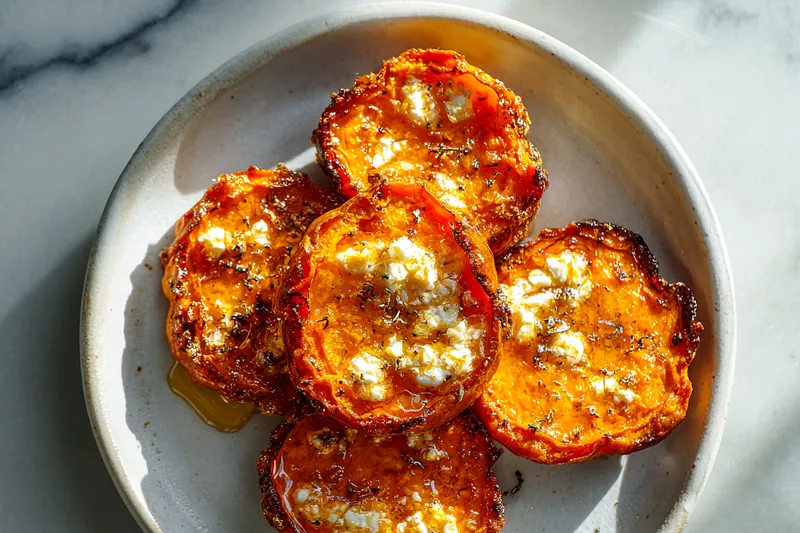
Selecting the Best Ingredients
Choosing the right sweet potatoes makes all the difference in this recipe. Look for medium to large sweet potatoes that are firm to the touch with smooth, unblemished skin. Avoid any with soft spots, wrinkles, or sprouting eyes. The best sweet potatoes for roasting are those with deep orange flesh - varieties like Garnet or Jewel are ideal because they're naturally sweeter and have a creamier texture when cooked. Try to select sweet potatoes that are relatively uniform in diameter so your rounds cook evenly. Sweet potatoes that are 2.5 to 3 inches in diameter work perfectly for this recipe.
The quality of your honey and butter significantly impacts the final flavor. Use real unsalted butter rather than margarine - the butter's fat content helps the glaze caramelize properly while adding rich flavor. For honey, any variety works, but lighter honeys like clover or wildflower have milder flavors that let the sweet potato shine, while darker honeys like buckwheat add more robust, complex notes. Fresh thyme is strongly preferred over dried - the aromatic oils in fresh thyme leaves are more pronounced and don't become bitter with roasting. For the feta, look for authentic Greek or Bulgarian feta stored in brine, which has a creamier texture and tangier flavor than the pre-crumbled dry varieties.
Essential Ingredient Notes
- Sweet Potatoes: Choose firm sweet potatoes with deep orange color and smooth skin. Store at room temperature in a cool, dark place - never in the refrigerator as cold temperatures convert their starches to sugars unevenly and can make them grainy. Sweet potatoes with tapered ends can be saved for other uses; for this recipe, use the thicker middle section for uniform rounds.
- Honey: Pure, raw honey works best and provides more complex flavor than processed honey. If your honey has crystallized, gently warm it in a water bath rather than microwaving, which can destroy beneficial enzymes and alter flavor. The honey should be liquid and easily mixable with the melted butter.
- Feta Cheese: Buy block feta stored in brine and crumble it yourself for the best texture and flavor. The brine keeps the cheese moist and tangy. Drain well before crumbling. If you find feta too salty, soak the crumbles in cold water for 10 minutes, then drain and pat dry before using.
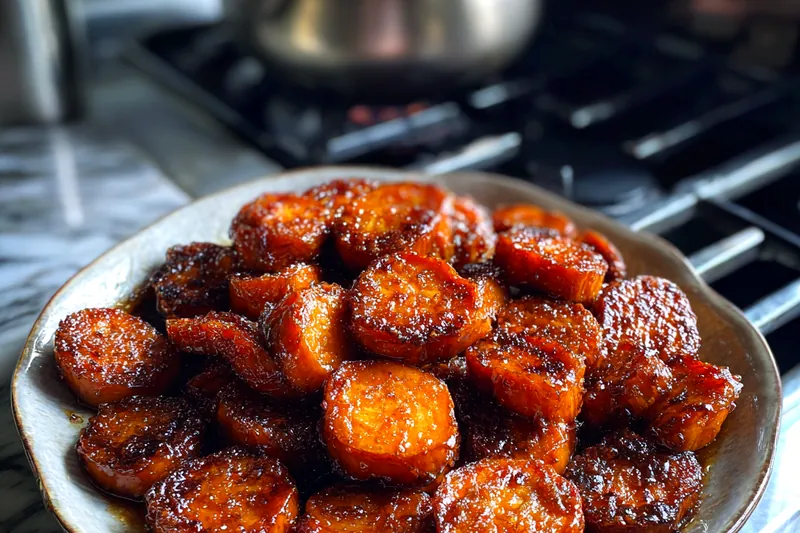
Mastering the Roasting Technique
The key to achieving perfectly caramelized sweet potatoes with crispy edges lies in understanding the Maillard reaction and caramelization. These are two different chemical processes that both contribute to the deep, complex flavors and golden color we're after. The Maillard reaction occurs between amino acids and reducing sugars at temperatures above 300°F, creating hundreds of flavor compounds. Caramelization happens when the natural sugars in the sweet potatoes break down at high heat. By roasting at 425°F, we create the ideal conditions for both processes to occur simultaneously.
Flipping the sweet potatoes halfway through cooking isn't just about even browning - it's about texture development. The first side develops an initial caramelized crust, then when flipped, the second application of glaze interacts with this already-caramelized surface to create even deeper flavors. The second side then gets its turn in direct contact with the hot pan. This two-stage approach ensures every surface gets maximum caramelization. Resist the urge to flip them multiple times; each flip releases precious heat from the oven and can cause the glaze to pool rather than caramelize. Patience and proper timing create the perfect balance of tender interiors and crispy, golden exteriors.
The Perfect Glaze Application
The secret to a glaze that caramelizes without burning is in the application technique. Always brush the glaze on in a thin, even layer - too much will pool and burn, too little won't caramelize properly. Use a silicone pastry brush for even distribution, and brush in one direction rather than back and forth to create a smooth coating. The first application goes on before roasting to create a foundation, while the second application after flipping acts as a finishing glaze that adds extra shine and flavor. Keep the reserved glaze warm (not hot) so it brushes on smoothly.
Honey Butter Roasted Sweet Potatoes with Feta
📋 Ingredients
Vegetables & Produce
- 3 tablespoons unsalted butter, meltedUse real butter, not margarine, for best flavor and caramelization
- 2 tablespoons honeyAny pure honey works; lighter varieties are milder, darker are more robust
- 1 tablespoon olive oilHelps prevent the butter from burning at high heat
- 1 teaspoon fresh thyme leavesStrip leaves from stems; fresh is essential for best flavor
- 1/2 teaspoon sea saltAdjust based on how salty your feta is
- 1/4 teaspoon black pepperFreshly ground pepper adds the best flavor
- 1/4 teaspoon smoked paprikaAdds subtle smokiness; regular paprika works too
Glaze & Seasoning
- 2 large sweet potatoes (about 1.5 lbs)Choose firm, uniformly sized sweet potatoes with deep orange flesh
- 1/3 cup crumbled feta cheeseUse block feta stored in brine, crumbled fresh for best texture
- Fresh parsley for garnishAdds a fresh pop of color and mild herbal note
Instructions
Prepare and Season
Preheat oven to 425°F and line a baking sheet with parchment paper. Slice sweet potatoes into 1-inch thick rounds, keeping them as uniform as possible. In a small bowl, whisk together melted butter, honey, olive oil, thyme, salt, pepper, and smoked paprika until well combined and slightly emulsified.
Coat the Sweet Potatoes
Arrange sweet potato rounds in a single layer on the prepared baking sheet, ensuring they don't touch or overlap. Using a pastry brush, generously brush both sides of each round with the honey butter mixture. Reserve about 2 tablespoons of the glaze in the bowl for the second application.
Roast Until Tender
Place the baking sheet in the preheated oven and roast for 20 minutes. Remove from oven, carefully flip each round using a spatula, and brush with the remaining glaze. Return to oven and continue roasting for 15 minutes more until edges are deeply caramelized and golden-brown, and centers are fork-tender.
Add Feta and Finish
Remove from oven immediately and while still piping hot, sprinkle crumbled feta evenly over the sweet potatoes. The residual heat will slightly soften the cheese. Transfer to a serving platter, garnish with fresh parsley, and serve warm for best flavor and texture.
Recipe Notes & Tips
Storage
Store cooled sweet potatoes in an airtight container in the refrigerator for up to 4 days. Reheat in a 375°F oven for 8-10 minutes to restore the caramelized texture. Can also be reheated in an air fryer at 375°F for 5-6 minutes. Not recommended for freezing as the texture becomes grainy upon thawing.
Serving Suggestions
Serve as a side dish with roasted chicken, pork chops, or grilled salmon. Perfect for holiday meals alongside turkey or ham. For a vegetarian main, serve over quinoa with a side of sautéed greens. Also excellent as part of a Mediterranean mezze platter with hummus, olives, and warm pita bread.
Variations
Try maple syrup instead of honey for deeper flavor. Substitute goat cheese or blue cheese for the feta. Add pecans or walnuts for crunch. For spice, add cayenne or use hot honey. Swap thyme for rosemary or sage. Add a sprinkle of cinnamon for warm, fall flavors. Drizzle with balsamic reduction for extra tang.