Homemade Oat Topped Bread
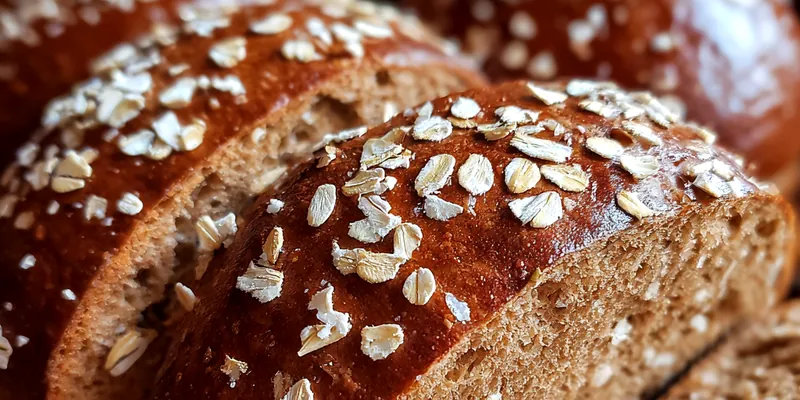
Homemade Oat Topped Bread is a delightful and nutritious addition to your breakfast table. This easy-to-follow recipe combines wholesome oats with a light and fluffy bread, perfect for toasting or enjoying as is. Its unique topping adds texture and flavor, making it a family favorite. Start your day on a delicious note with this satisfying bread that’s simple to make at home.

Why This Homemade Oat Topped Bread Recipe Works
This recipe stands out because it combines the nutritional benefits of oats with the comfort of homemade bread. The oats not only enhance the texture but also add fiber and essential nutrients, making it a healthy choice for breakfast. With simple ingredients and straightforward steps, anyone can master this recipe.
The technique of allowing the dough to rise twice ensures a light and airy loaf. Kneading the dough develops the gluten, contributing to the perfect bread structure. Topping it with oats not only looks appealing but adds an extra crunch that complements the soft interior beautifully.
💡 Professional Tip
For the best results, make sure your ingredients are at room temperature before mixing. This helps the dough rise properly. Also, avoid over-kneading, as this can make the bread tough. Lastly, experiment with different toppings like seeds or herbs for a unique twist.
Frequently Asked Questions
Yes, you can prepare the dough ahead of time. After the first rise, you can shape it into a loaf, cover it, and refrigerate it overnight. In the morning, allow it to come to room temperature and rise again before baking. This method allows for fresh bread without all the morning prep time.
You can substitute all-purpose flour with whole wheat flour or a gluten-free flour blend. Keep in mind that whole wheat flour may result in a denser loaf, so you might need to adjust the liquid content slightly. For gluten-free options, look for blends that include xanthan gum to mimic the texture of wheat flour.
The bread is done when it is golden brown and sounds hollow when tapped on the bottom. An internal temperature of about 190°F (88°C) is also a good indicator that the bread is fully baked. If the top is browning too quickly, you can cover it with aluminum foil during the last few minutes of baking.
Absolutely! After the bread has cooled completely, wrap it tightly in plastic wrap and then in aluminum foil before placing it in the freezer. It can be frozen for up to 3 months. To thaw, leave it at room temperature or microwave it for a short time until warmed through.
This bread pairs wonderfully with a variety of toppings. Try it with butter and jam, avocado spread, or even a poached egg on top. For a complete breakfast, serve it alongside fresh fruit and yogurt for a healthy and satisfying meal.
Homemade Oat Topped Bread can last up to a week in the refrigerator when stored in an airtight container. However, for the best flavor and texture, it's recommended to consume it within the first few days. Always ensure it is completely cooled before storing to prevent moisture buildup.
Yes, the bread can be made a day in advance. Once baked, let it cool completely and store it in an airtight container at room temperature. This allows the flavors to meld, making it even more delicious the next day. Just make sure to toast it before serving for the best taste.
To reheat, slice the bread and place it in a toaster or toaster oven for a few minutes until heated through and slightly crispy. Alternatively, you can wrap the loaf in foil and warm it in a low oven (around 300°F or 150°C) for about 10-15 minutes. This will help retain its moisture while warming.
Recipe Troubleshooting Guide
Too Dry
Problem: Your bread may have turned out dry due to overbaking or not enough moisture in the dough.
Solution: To prevent this in the future, ensure you bake the bread only until it is golden brown and sounds hollow when tapped. Adding a bit more liquid during mixing can also help maintain moisture.
Not Crispy Enough
Problem: If the crust isn't crispy, it may be due to not baking it long enough or not using steam during baking.
Solution: To achieve a crispy crust, place a pan of water in the oven while baking or spray the oven with water a few times during the first part of baking. This creates steam, which helps develop a crusty exterior.
Overcooked
Problem: If your bread has an overly dark crust, it may have been baked for too long.
Prevention: To prevent overcooking, keep an eye on the bread during the last few minutes of baking and use an oven thermometer to ensure accurate temperatures.
Undercooked Center
Problem: The center of your bread may still be doughy if it hasn't baked long enough.
Recovery: If you find the center undercooked, return the bread to the oven for additional time, covering the top with foil to prevent burning. Check the internal temperature to ensure it reaches 190°F (88°C).
Burnt Exterior
Problem: If the exterior of your bread is burnt while the inside remains undercooked, it may be due to excessive heat at the bottom or top.
Prevention: To avoid this, bake the bread on the center rack and consider using a baking stone or placing a tray filled with water in the oven to modulate the temperature.
Flavor Balance
Too Sweet: If the bread is too sweet, reduce the amount of sugar in the recipe next time.
Too Salty: If it tastes too salty, ensure you measure the salt carefully and consider using unsalted butter.
Bland: To fix bland bread, consider adding herbs or spices to infuse more flavor into the dough.

Essential Ingredients for Homemade Oat Topped Bread
The key ingredients in this bread include all-purpose flour, rolled oats, and active dry yeast. These ingredients work together to create a structure that's both light and hearty. The oats on top provide a delightful crunch and add nutritional value to the loaf.
Using high-quality ingredients is crucial for achieving the best flavor and texture. Opt for fresh oats and good quality flour for optimal results. The freshness of your yeast also matters; always check the expiration date before use to ensure proper rising.
Essential Ingredient Notes
- All-Purpose Flour: Using all-purpose flour gives the bread a nice balance of texture and structure. For a healthier option, consider substituting with whole wheat flour, but be aware it may yield a denser loaf.
- Rolled Oats: Rolled oats not only add flavor but also enhance the nutritional profile of the bread. Be sure to use old-fashioned rolled oats for the best results, as instant oats may alter the texture.
- Active Dry Yeast: Ensure your yeast is fresh for the best rise. If you're unsure, activate it in warm water with a bit of sugar to confirm it's still good before adding to the dough.

Step-by-Step Cooking Process
Making this bread is straightforward, requiring only a few simple steps. The key is to allow the dough to rise properly, which ensures a soft and airy loaf. Follow the recipe closely, and you will enjoy the satisfaction of baking bread from scratch.
Achieving perfect results is all about technique. Kneading the dough helps develop gluten, while the double rise allows for a better texture. Don’t rush through the process, and enjoy the transformation of simple ingredients into a delicious loaf.
Key Technique for Perfect Homemade Oat Topped Bread
The most important technique for this bread is the proper kneading and rising of the dough. Kneading develops the gluten, which gives the bread its structure and chewiness. Allowing the dough to rise twice helps create a light and fluffy loaf that is perfect for breakfast.
Homemade Oat Topped Bread
📋 Ingredients
Main Ingredients
- 1 cup butterRoom temperature
- 1 cup honeyFor sweetness
- 1 cup milkRoom temperature
- 1 tsp vanilla extractFor flavor
- 1/2 tsp cinnamonOptional spice
- 1/4 cup sugarFor sweetness
For the Sauce
- 3 cups all-purpose flourFor bread structure
- 1 cup rolled oatsFor fiber and texture
- 1 packet active dry yeast (2 1/4 tsp)For leavening
- 1 1/2 cups warm waterActivates yeast
- 2 tablespoons honeyFor natural sweetness
- 1 teaspoon saltEnhances flavor
- 2 tablespoons olive oilAdds moisture
- 1/2 cup buttermilkFor richness
- 1/4 cup brown sugarFor deeper flavor
- 1 teaspoon baking powderHelps with rise
- 1 tablespoon butter (for greasing)To grease the pan
- 1/4 cup oats (for topping)For texture
- 1 egg (for egg wash)For a golden crust
Instructions
Prepare the Yeast
In a small bowl, combine warm water, honey, and yeast. Let it sit for about 5-10 minutes until frothy.
Mix Dry Ingredients
In a large mixing bowl, whisk together flour, oats, salt, and baking powder.
Combine Mixtures
Add the yeast mixture, olive oil, and buttermilk to the dry ingredients. Mix until a dough forms.
Knead the Dough
Turn the dough onto a floured surface and knead for about 5-7 minutes until smooth and elastic.
First Rise
Place the dough in a greased bowl, cover it with a damp cloth, and let it rise in a warm place for 1 hour or until doubled in size.
Shape the Dough
Punch down the risen dough and shape it into a loaf. Place it in a greased bread pan.
Second Rise
Cover the loaf with a cloth and let it rise for another 30 minutes.
Preheat the Oven
Preheat the oven to 375°F (190°C).
Prepare for Baking
Brush the top of the loaf with beaten egg and sprinkle with oats.
Bake the Bread
Bake in the preheated oven for 30-35 minutes or until golden brown and sounds hollow when tapped.
Cool and Serve
Remove from the oven and let the bread cool in the pan for 10 minutes before transferring to a wire rack to cool completely.
Recipe Notes & Tips
Storage Tips
To store your Homemade Oat Topped Bread, place it in an airtight container at room temperature for up to a week. If you notice it beginning to dry out, you can wrap it in a clean kitchen towel. For longer storage, consider freezing it as mentioned earlier.
Serving Suggestions
Serve your bread warm with butter or cream cheese. Pair it with a side of fresh fruit or yogurt for a healthy breakfast. Consider toasting the slices for an extra crunch and flavor.
Recipe Variations
For a different flavor, try adding herbs like rosemary or thyme to the dough. You can also incorporate nuts or seeds into the bread for added texture. For a sweeter version, consider adding raisins or dried cranberries for a chewy contrast.