Gravy-Stuffed Stuffing Muffins
These Gravy-Stuffed Stuffing Muffins are a game-changing twist on traditional holiday stuffing that solves the age-old problem of serving and portioning at the dinner table. Each muffin is perfectly crispy on the outside with a tender, herb-infused interior, then crowned with rich, savory turkey gravy. They're not just adorable and Instagram-worthy—they're actually more practical than a casserole dish, making holiday hosting infinitely easier.

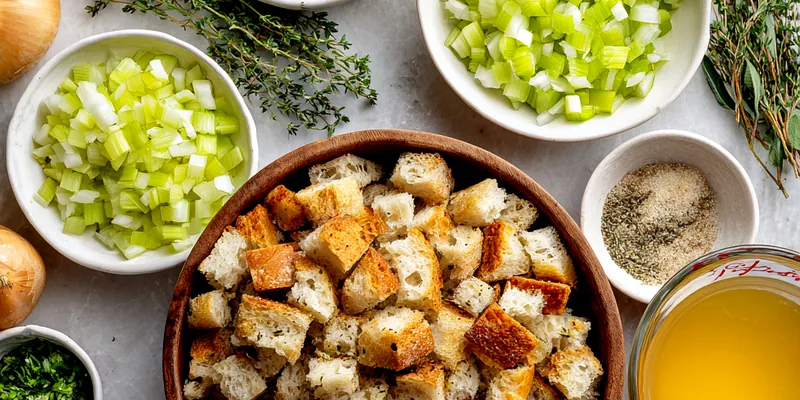
Why Stuffing Muffins Are Better Than Traditional Stuffing
Traditional stuffing baked in a casserole dish presents several challenges: the middle stays soft while edges get crispy, portions are uneven and messy, and transporting it to potlucks is a nightmare. Stuffing muffins solve all these problems elegantly. By baking in individual portions, each muffin develops that coveted golden-brown crust all around while maintaining a tender center. The muffin tin format creates natural portion control—no more arguments about who got more of the crispy corners or debates about serving sizes.
Beyond practicality, stuffing muffins offer superior texture contrast that's impossible to achieve in a shallow baking dish. The increased surface area means more caramelization and crispy bits, while the compact shape keeps the interior moist and flavorful. They're also remarkably versatile for make-ahead cooking—you can bake them a day in advance, refrigerate, and simply reheat in a 350°F oven for 10-12 minutes before serving. For holiday gatherings, this advance preparation is invaluable, freeing up oven space and reducing day-of stress considerably.
💡 Professional Tip
Press the stuffing mixture firmly into each muffin cup—really pack it down. This compression is crucial for creating muffins that hold their shape when unmolded and develop maximum crispy surface area. Loose, fluffy stuffing will crumble apart when you try to remove it from the tin.
Frequently Asked Questions
Absolutely! These muffins are perfect for make-ahead preparation. Bake them completely up to 2 days in advance, let cool completely, then store in an airtight container in the refrigerator. To reheat, place on a baking sheet and warm in a 350°F oven for 10-12 minutes until heated through and the edges crisp up again. You can also freeze baked muffins for up to 1 month—thaw overnight in the refrigerator before reheating. I don't recommend assembling but not baking them, as the bread will become too soggy.
Yes! Simply omit the sausage and add an extra cup of sautéed mushrooms (cremini or shiitake work beautifully) for that savory, umami depth. You can also add chopped pecans or walnuts for additional texture and richness. Use vegetable broth instead of chicken broth, and top with mushroom gravy instead of turkey gravy. The cooking time and technique remain exactly the same.
Day-old bread works best because it's already somewhat dried out and won't become mushy. I prefer a combination of white sandwich bread and whole wheat or sourdough for varied texture and flavor complexity. Avoid very soft breads like Hawaiian rolls, as they'll become too dense. French bread, Italian bread, or even cornbread work wonderfully. If your bread is fresh, spread the cubes on a baking sheet and leave them out overnight, or toast them in a 300°F oven for 15 minutes.
Fresh herbs provide the best flavor and are highly recommended for this recipe, especially the sage and parsley which really shine through. However, if you must use dried herbs, reduce the quantities to 1 tablespoon dried sage and 1 teaspoon dried thyme (dried herbs are more concentrated). Skip dried parsley entirely—it adds almost no flavor. For best results, add the dried herbs when you sauté the vegetables so they can bloom in the butter and release their oils.
The muffins are perfectly done when the tops are deep golden brown with visibly crispy edges, and the internal temperature reaches 165°F when tested with an instant-read thermometer. The tops should feel firm when gently pressed, not squishy or soft. If the tops are browning too quickly but the centers aren't set, tent loosely with foil for the last 5-10 minutes of baking. You'll also notice they pull away slightly from the sides of the muffin cups when fully cooked.
These stuffing muffins pair beautifully with roasted turkey or chicken, honey-glazed ham, or even pork tenderloin. Classic Thanksgiving sides like green bean casserole, roasted Brussels sprouts, cranberry sauce, and mashed potatoes complement them perfectly. For a complete holiday plate, serve 1-2 muffins per person alongside your main protein and vegetables. They're also fantastic as part of a brunch spread with scrambled eggs and bacon, or as a unique appetizer for holiday parties—serve mini versions in a 24-cup mini muffin pan, reducing baking time to 15-18 minutes.
Absolutely! These muffins are wonderfully adaptable. Popular additions include dried cranberries or chopped apples for sweetness, chestnuts for earthiness, or different proteins like diced bacon or ground turkey. You can also experiment with different herb combinations—try rosemary and oregano for an Italian twist, or add a pinch of poultry seasoning for traditional holiday flavor. Just be mindful not to add too many wet ingredients, as this can prevent proper binding and make the muffins fall apart.
Store leftover stuffing muffins in an airtight container in the refrigerator for up to 4 days. Keep the gravy separate in its own container to prevent the muffins from becoming soggy. To reheat, place muffins on a baking sheet in a 350°F oven for 8-10 minutes until warmed through and crispy on the edges again—this method is far superior to microwaving, which makes them rubbery. Warm the gravy separately in a saucepan or microwave, then pour over the reheated muffins just before serving.
Recipe Troubleshooting Guide
Muffins Are Falling Apart
Problem: Your stuffing muffins crumble when you try to remove them from the tin, leaving a mess instead of neat portions.
Solution: This usually means the mixture was too dry or wasn't packed firmly enough. Make sure your bread mixture is properly moistened—it should feel damp and stick together when squeezed. Use the back of a measuring cup or your fist to really compress the stuffing into each cup. Also ensure you're letting them rest in the pan for the full 5 minutes after baking so they can set properly. Adding an extra egg can help if your mixture seems dry.
Muffins Are Too Dry
Problem: The finished muffins are dry and crumbly rather than moist and tender inside.
Solution: You likely didn't add enough liquid or over-baked them. The bread should be quite moist before going into the oven—when you press the mixture, it should feel damp but not swimming in liquid. If your bread cubes were extra dry or stale, add an additional 1/4 to 1/2 cup broth. Check for doneness at 25 minutes rather than 30, and consider covering with foil if the tops are browning too quickly. Next time, let the bread mixture sit for a full 5-10 minutes to absorb the liquid before filling the muffin cups.
Tops Aren't Getting Crispy
Problem: Your muffins are cooked through but the tops remain soft instead of developing that desirable golden-brown crust.
Prevention: Increase your oven temperature to 400°F for the last 5-10 minutes of baking to encourage browning. Make sure you're packing the mixture to create a slight dome on top rather than leaving it flat or concave—this exposed surface area is what gets crispy. You can also brush the tops with melted butter before baking for extra crispness and color. If your oven runs cool, use an oven thermometer to verify the actual temperature and adjust accordingly.
Muffins Are Soggy on the Bottom
Problem: The bottoms of your muffins are wet and don't release cleanly from the muffin tin.
Recovery: You didn't grease the muffin tin thoroughly enough, or there's too much liquid in your mixture. Use plenty of butter or cooking spray, making sure to coat the bottoms and sides of each cup completely. If using paper liners, remove them—they trap steam and prevent proper crisping. Also, ensure your bread cubes were properly toasted before mixing—they should be dry to the touch. Let muffins cool in the pan for exactly 5 minutes (not longer) before removing, and run a butter knife around the edges to release them cleanly.
Muffins Taste Bland
Problem: Despite following the recipe, your stuffing muffins lack flavor and taste one-dimensional.
Prevention: This is usually a seasoning issue. Don't skimp on the salt—stuffing needs more than you think because bread absorbs a lot. Taste your mixture before baking (it's safe since the eggs will cook) and adjust seasoning as needed. Make sure you're using fresh herbs rather than old, flavorless dried ones, and don't skip the sautéing step—cooking the aromatics in butter develops crucial flavor. The sausage should be well-browned with good caramelization. Finally, use good-quality, flavorful broth rather than water or low-sodium varieties that lack depth.
Flavor Balance Issues
Too Sweet: If your stuffing tastes unexpectedly sweet, you may have used bread with added sugar (like Hawaiian rolls) or a broth with high sugar content. Balance it by adding more fresh herbs, a squeeze of lemon juice, or extra black pepper to the mixture.
Too Salty: If too salty, this likely came from using regular (not low-sodium) broth combined with salty sausage. Next time, use low-sodium broth and reduce added salt to 1/2 teaspoon. You can't remove salt, but you can balance it by adding a splash of cream or milk to your gravy, which mellows the saltiness.
Bland: Bland stuffing needs more aromatics and herbs. Increase the garlic to 4-5 cloves, double the fresh herbs, add 1/2 teaspoon of poultry seasoning, and don't forget freshly cracked black pepper. Toast your bread cubes longer for more depth, and make sure the sausage gets good caramelization. Brown is flavor!
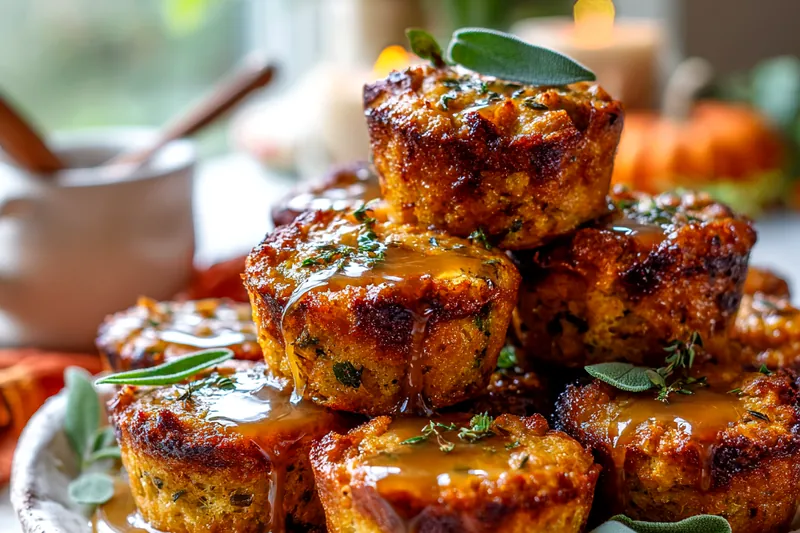
Choosing the Right Ingredients for Maximum Flavor
The foundation of exceptional stuffing muffins starts with bread selection. While many recipes call for a single type of bread, using a combination creates superior texture and flavor complexity. A 50-50 mix of crusty Italian or French bread with softer sandwich bread gives you both structure and tenderness. The crusty bread provides chewy texture and nutty flavor, while the softer bread absorbs the broth mixture beautifully and helps bind everything together. Avoid pre-packaged stuffing cubes—they're over-processed and lack the character of real bread. Day-old bread is ideal because it's already partially dried, but fresh bread works too if you toast it properly.
The quality of your sausage dramatically impacts the final flavor profile. Italian sausage—either sweet or hot depending on your preference—adds rich, seasoned complexity that plain ground pork can't match. Look for sausage from a butcher or quality grocery store with visible flecks of fennel and garlic. If you prefer a leaner option, ground turkey with added Italian seasoning works, though it will be less flavorful. The broth is equally critical—homemade is best, but if using store-bought, choose low-sodium so you can control the salt level. Turkey or chicken broth both work beautifully, providing savory depth that plain water simply cannot replicate.
Essential Ingredient Notes
- Day-Old Bread: Use bread that's 1-2 days old, or toast fresh bread at 300°F for 15 minutes until dried but not browned. The bread should feel firm and dry to the touch—this prevents mushy stuffing and helps achieve the perfect texture. Cut into uniform 1-inch cubes for even cooking and better binding.
- Fresh Herbs: Fresh sage is non-negotiable here—it's the signature flavor of traditional stuffing. Look for bright green leaves without brown spots. Thyme adds earthy depth, while parsley provides freshness and color. Chop herbs just before using and add the parsley at the end to preserve its vibrant color and fresh taste.
- Italian Sausage: Choose bulk Italian sausage (removed from casings) rather than links for easier mixing. Sweet Italian sausage is traditional and family-friendly, while hot Italian adds a pleasant kick. The fennel and garlic in Italian sausage are essential flavors—don't substitute with plain ground pork or you'll lose that characteristic Italian stuffing taste.
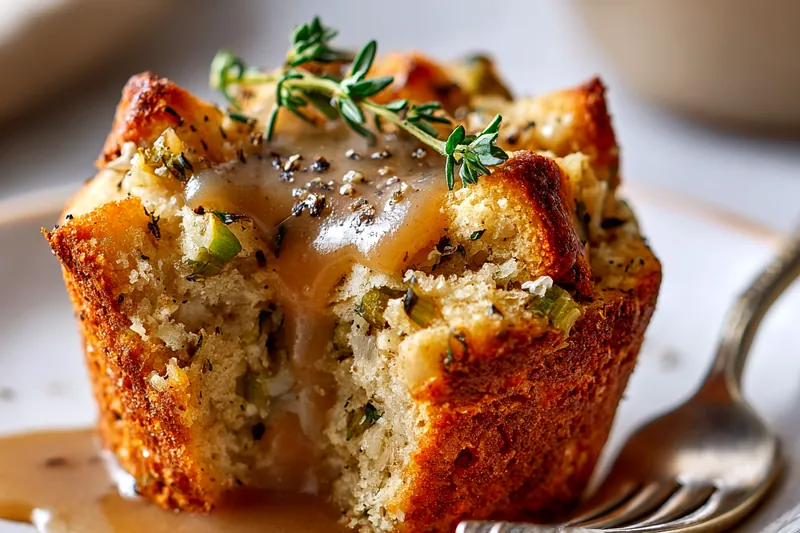
Mastering the Technique for Perfect Stuffing Muffins
The secret to stuffing muffins that hold together beautifully lies in three critical techniques. First, properly toast your bread cubes until they're dried throughout but not deeply browned—this creates the ideal texture for absorbing liquid without becoming mushy. Second, pack the stuffing mixture firmly into each muffin cup using the bottom of a measuring cup or your fist. This compression is absolutely essential; loosely filled cups will crumble apart when unmolded. Finally, let the baked muffins rest in the pan for exactly 5 minutes before removing. This resting period allows the structure to set and the eggs to finish cooking, ensuring clean release and intact muffins.
Temperature control throughout the process significantly impacts the final result. When sautéing the vegetables, maintain medium heat to soften them without browning—you want translucency and sweetness, not caramelization. The oven temperature of 375°F is the sweet spot for achieving golden-brown exteriors while ensuring the centers cook through without drying out. If your oven runs hot, reduce to 350°F and extend baking time by 5 minutes. The internal temperature should reach 165°F, which you can verify with an instant-read thermometer inserted into the center of a muffin. Understanding these temperature nuances transforms this from a good recipe into a reliably excellent one every single time.
The Perfect Pack Technique
After filling each muffin cup with the stuffing mixture, use the bottom of a 1/4-cup measuring cup to firmly press down the mixture, compacting it thoroughly. Then add more mixture and press again, repeating until each cup is filled to the top and formed into a slight dome. This compression technique is the single most important factor in creating stuffing muffins that hold their shape and develop crispy surfaces. Don't be gentle—you really want to pack it down with significant pressure. The mixture should feel dense and tightly packed, not loose and fluffy.
Gravy-Stuffed Stuffing Muffins
📋 Ingredients
Main Ingredients
- 2 cups turkey gravyHomemade is best, but quality jarred gravy works great - heat until smooth and pourable
Seasonings & Herbs
- 8 cups day-old bread cubes1-inch pieces, mix of white and wheat bread for best texture
- 1 pound bulk Italian sausageSweet or hot variety - remove from casings if using links
- 3 tablespoons unsalted butterPlus extra for greasing the muffin tin
- 1 large onion, finely dicedYellow or white onion - about 1½ cups diced
- 3 celery stalks, finely dicedAbout 1 cup - the classic stuffing vegetable
- 3 cloves garlic, mincedFresh garlic is essential for best flavor
- 2 tablespoons fresh sage, choppedThe signature herb of traditional stuffing
- 1 tablespoon fresh thyme leavesStrip leaves from stems - about 4-5 sprigs
- ½ cup fresh parsley, choppedPlus more for garnish - adds color and freshness
- 2½ cups low-sodium chicken brothWarm broth absorbs better than cold
- 2 large eggs, beatenActs as a binder to hold the muffins together
- 1 teaspoon saltAdjust based on sausage saltiness
- ½ teaspoon black pepperFreshly ground pepper has the best flavor
Instructions
Prepare Bread and Sausage
Preheat oven to 375°F and grease a 12-cup muffin tin generously with butter or cooking spray. Spread bread cubes on a baking sheet and toast for 8-10 minutes until lightly dried. Meanwhile, cook sausage in a large skillet over medium-high heat, breaking it into crumbles, until browned and cooked through, about 6-7 minutes. Transfer to a large mixing bowl with the toasted bread cubes.
Sauté Vegetables and Herbs
In the same skillet, melt butter over medium heat. Add diced onion and celery, cooking until softened and fragrant, about 5-6 minutes. Add minced garlic, sage, and thyme, stirring constantly for 1 minute until aromatic. Pour this mixture over the bread and sausage, scraping all the flavorful bits from the pan.
Mix and Season Stuffing
Add chopped parsley, salt, and pepper to the bread mixture and toss well to distribute. In a separate bowl, whisk together chicken broth and beaten eggs. Pour the liquid mixture over the bread, stirring gently but thoroughly until all bread cubes are evenly moistened. Let stand for 5 minutes to allow bread to absorb the liquid fully.
Fill and Bake Muffins
Divide the stuffing mixture evenly among the prepared muffin cups, pressing down firmly to compact and create a slight dome on top. The muffins should be packed tightly. Bake for 25-30 minutes until the tops are golden brown and crispy around the edges. Let cool in the pan for 5 minutes before carefully running a knife around edges to release.
Heat Gravy and Serve
While muffins finish baking, warm turkey gravy in a small saucepan over medium-low heat, stirring occasionally until hot and smooth. Remove muffins from tin and place on serving platter or individual plates. Generously spoon hot gravy over each muffin, allowing it to cascade down the sides. Garnish with freshly chopped parsley and serve immediately.
Recipe Notes & Tips
Storage
Store cooled muffins in an airtight container in the refrigerator for up to 4 days. Keep gravy separate to prevent sogginess. Reheat muffins in a 350°F oven for 8-10 minutes until warmed through and edges are crispy again. Freeze baked muffins for up to 1 month—thaw overnight in refrigerator before reheating. Do not microwave as it makes them rubbery.
Serving Suggestions
Serve 1-2 muffins per person as a side dish alongside roasted turkey, chicken, or ham. Perfect for Thanksgiving, Christmas, or Sunday dinners. Also excellent for brunch with scrambled eggs and bacon. For parties, make mini versions in a 24-cup mini muffin pan (reduce baking time to 15-18 minutes) and serve as appetizers with gravy on the side for dipping.
Variations
Make it vegetarian by omitting sausage and adding 1 cup sautéed mushrooms plus ½ cup chopped walnuts or pecans. Use cornbread instead of regular bread for Southern-style stuffing. Add ½ cup dried cranberries or diced apples for sweetness. Substitute turkey sausage for a leaner option. Try different herb combinations like rosemary and oregano for Italian-inspired flavors.