Garlic Herb Parmesan Bread
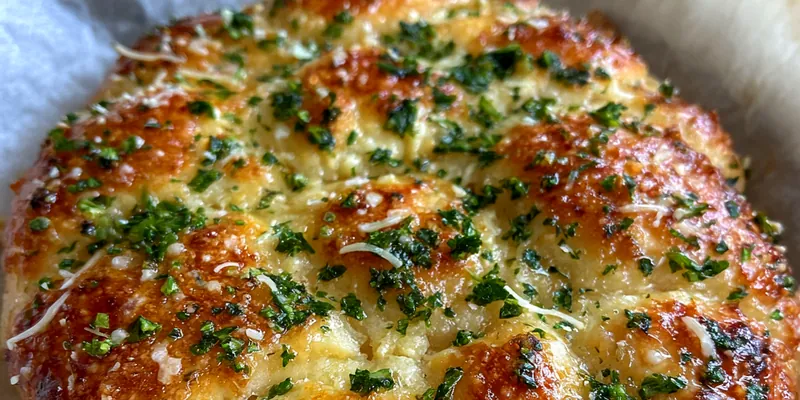
This Garlic Herb Parmesan Bread is an irresistible appetizer that combines the flavors of garlic, fresh herbs, and cheesy goodness. Perfect for pairing with soups or salads, it's simple to make and will impress your guests. The aroma of baking bread fills the kitchen, enticing everyone to gather around. Serve it warm and watch it disappear!

Why This Garlic Herb Parmesan Bread Recipe Works
This recipe stands out for its combination of fresh herbs and rich Parmesan cheese that elevate the classic garlic bread experience. Each slice is infused with a blend of flavors, making it a delightful addition to any meal. The use of quality ingredients ensures a mouthwatering result that’s hard to resist.
The technique of rolling and cutting the dough creates beautiful spirals that not only look impressive but also provide a delightful texture. This recipe is forgiving, allowing for multiple attempts to master the perfect loaf without stress.
💡 Professional Tip
For an extra layer of flavor, consider adding a pinch of red pepper flakes to the garlic herb mixture. This will give the bread a subtle kick that complements the cheesy goodness beautifully.
Frequently Asked Questions
Yes, you can prepare the dough in advance and refrigerate it after the first rise. Just allow it to come to room temperature before shaping and baking. This makes it convenient for parties or last-minute gatherings.
If you don’t have fresh parsley, you can substitute it with dried parsley or other fresh herbs like basil or cilantro. The flavor will vary slightly, but it will still be delicious.
The bread is done when it is golden brown on top and sounds hollow when tapped on the bottom. You can also use a thermometer to check if it has reached an internal temperature of 190°F (88°C).
Yes, this bread freezes well! After baking and cooling, wrap it tightly in plastic wrap and then in aluminum foil. It can be frozen for up to 3 months. To reheat, simply thaw and warm in the oven.
This bread pairs wonderfully with Italian dishes like pasta, soups, or salads. It can also be served with a dipping oil or marinara sauce for added flavor. Consider serving it alongside a charcuterie board for an impressive spread.
When stored properly in an airtight container, Garlic Herb Parmesan Bread can last up to 3 days in the fridge. Be sure to let it cool completely before storing to prevent moisture buildup.
Absolutely! You can prepare the dough and shape it ahead of time, then cover it and refrigerate until you're ready to bake. This allows the flavors to develop even more!
The best way to reheat this bread is in the oven. Preheat the oven to 350°F (175°C), wrap the bread in aluminum foil to prevent it from drying out, and heat for about 10-15 minutes until warmed through.
Recipe Troubleshooting Guide
Too Dry
Problem: If the bread turns out dry, it may be due to overbaking or not enough moisture in the dough.
Solution: To prevent this, keep an eye on the baking time and test for doneness early. Make sure to measure your ingredients accurately, especially the water.
Not Crispy Enough
Problem: If the crust is not crispy, it might not have been baked long enough or the oven temperature was too low.
Solution: Ensure that your oven is preheated properly and consider baking the bread directly on the oven rack for a crisper crust.
Overcooked
Problem: Overcooking can result in a hard, dry loaf.
Prevention: Keep a close watch as baking nears completion and use an instant-read thermometer to check for doneness.
Undercooked Center
Problem: If the center of the bread remains doughy, it may require additional baking time.
Recovery: Cover the top with foil to prevent burning and return it to the oven until fully baked through.
Burnt Exterior
Problem: A burnt exterior could be due to high oven temperature or baking too long.
Prevention: Lower the oven temperature and check the bread periodically during the last few minutes of baking.
Flavor Balance
Too Sweet: If the bread is too sweet, reduce the sugar in the dough next time.
Too Salty: If the bread is too salty, you may need to reduce the salt added to the dough or cheese.
Bland: To enhance flavor, add a bit more garlic or herbs to the mixture.
Essential Ingredients for Garlic Herb Parmesan Bread
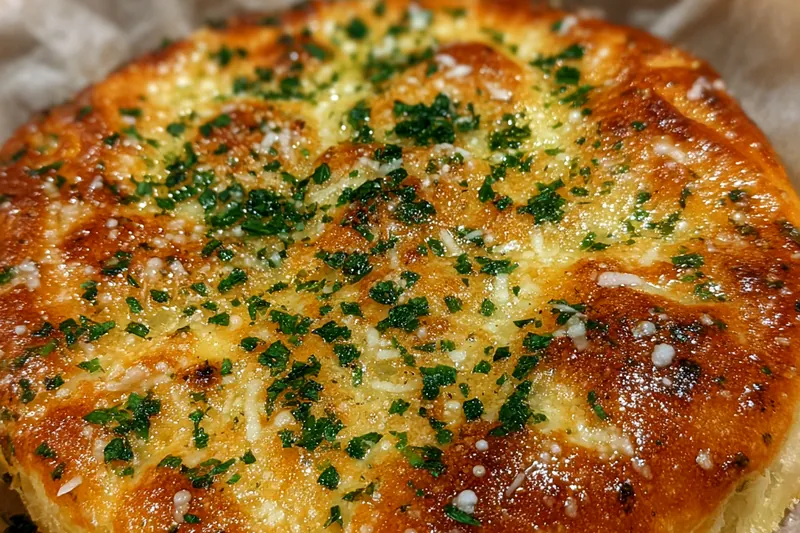
Key ingredients like all-purpose flour, fresh garlic, and quality Parmesan are crucial for achieving the best flavor and texture. The right balance of herbs elevates the bread, turning a simple recipe into a gourmet experience.
Using high-quality butter and cheese will enhance the richness of the bread. Fresh herbs bring a vibrant flavor that dried herbs can’t match. Always opt for fresh produce whenever possible for the most delicious results.
Essential Ingredient Notes
- All-Purpose Flour: All-purpose flour is the foundation of this bread. For optimal texture, measure it correctly and don’t overmix the dough to keep it tender.
- Parmesan Cheese: Using freshly grated Parmesan cheese enhances the flavor. Avoid pre-grated options as they often contain anti-caking agents that can affect melting.
- Garlic: Fresh garlic is essential for that robust flavor. Adjust the amount based on your preference, and consider using roasted garlic for a milder taste.
Step-by-Step Cooking Process
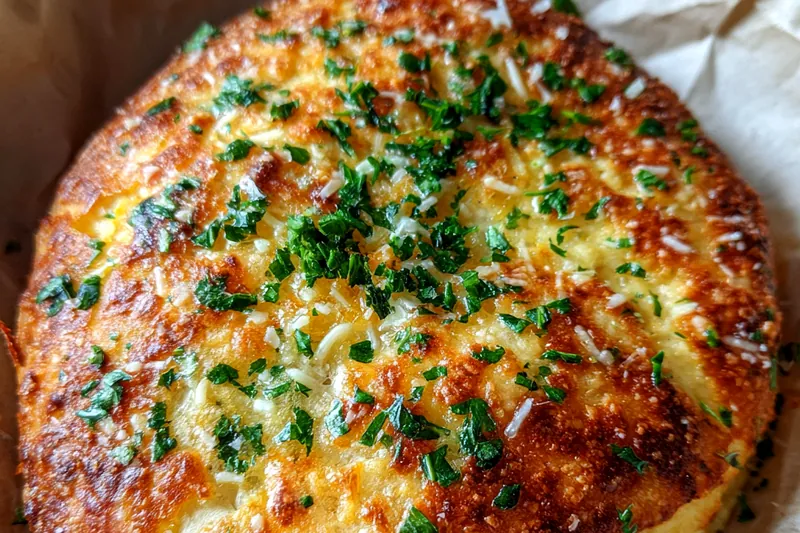
This recipe involves simple steps that make it accessible for cooks of all levels. From mixing the dough to shaping and baking, each stage is straightforward and rewarding.
Achieving perfect results is all about attention to detail, like allowing the dough to rise properly and not rushing the baking process. With practice, this bread will become a staple in your kitchen.
Key Technique for Perfect Garlic Herb Parmesan Bread
The key to this bread’s success lies in the fermentation process. Allowing the dough to rise slowly develops flavor and texture. A warm environment helps ensure the yeast activates properly for a light, airy loaf.
Garlic Herb Parmesan Bread
📋 Ingredients
Main Ingredients
- 1 cup butterRoom temperature
- 4 cloves garlicMinced
- 1/4 cup parsleyChopped
- 1 teaspoon oreganoDried
- 1 teaspoon basilDried
For the Sauce
- 1 lb all-purpose flourFor the bread
- 1 cup warm waterFor activating yeast
- 1 tablespoon sugarFor yeast activation
- 2 teaspoons saltFor flavor
- 2 teaspoons active dry yeastFor leavening
- 1/2 cup grated Parmesan cheeseFor flavor
- 1/4 cup fresh parsleyFor flavor
- 1/4 cup unsalted butterFor the garlic spread
- 1 teaspoon black pepperFor flavor
- 1/2 cup shredded mozzarella cheeseFor topping
Instructions
Mix the Dough
In a large bowl, combine warm water, sugar, and yeast. Let it sit for 5 minutes until frothy. Add flour, salt, and olive oil. Mix until a dough forms.
Knead the Dough
Turn the dough out onto a floured surface and knead for about 10 minutes until smooth and elastic. Place in a greased bowl, cover, and let rise in a warm place for about 1 hour.
Prepare Garlic Herb Mixture
In a small bowl, mix together softened butter, minced garlic, parsley, oregano, basil, and black pepper.
Shape the Bread
Once the dough has risen, punch it down and roll it out into a rectangle. Spread the garlic herb mixture evenly over the dough. Sprinkle with Parmesan and mozzarella cheese.
Roll and Cut
Roll the dough tightly from one end to the other, forming a log. Cut the log into slices about 1.5 inches thick.
Second Rise
Place the slices cut-side up in a greased baking dish. Cover and let rise for an additional 30 minutes.
Preheat Oven
Preheat your oven to 350°F (175°C).
Bake the Bread
Brush the tops of the bread with beaten egg. Bake for 30-35 minutes or until golden brown and cooked through.
Cool and Serve
Allow the bread to cool slightly before serving. Enjoy warm!
Recipe Notes & Tips
Storage Tips
To store Garlic Herb Parmesan Bread, let it cool completely, then wrap it in plastic wrap or aluminum foil. Store in an airtight container at room temperature for up to 3 days or refrigerate for longer freshness.
Serving Suggestions
This bread is best served warm, either on its own or with a side of marinara sauce or olive oil for dipping. Pair it with soups or salads for a complete meal.
Recipe Variations
For variations, try adding sun-dried tomatoes, olives, or different cheeses like feta or cheddar. You can also experiment with adding spices like red pepper flakes for a bit of heat.