Fluffy Pancake Sausage Casserole
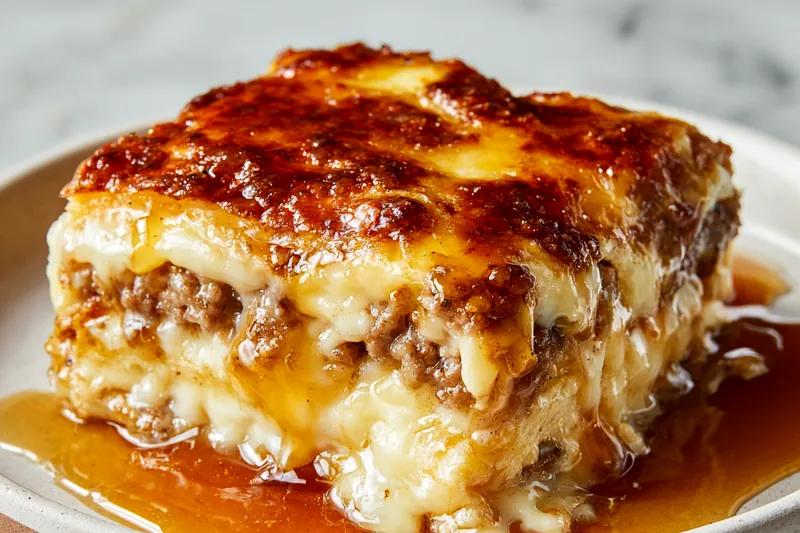
This Fluffy Pancake Sausage Casserole transforms your favorite breakfast flavors into an easy-to-serve baked dish that's perfect for feeding a crowd. Layers of tender, fluffy pancakes are studded with savory breakfast sausage and gooey melted cheese, creating a sweet and savory combination that's irresistible. Whether you're hosting a holiday brunch, need a simple weekend breakfast, or want a make-ahead option for busy mornings, this casserole delivers comfort food satisfaction with minimal effort.


Why This Pancake Casserole Recipe Works
The secret to this casserole's incredible texture lies in the perfect ratio of wet to dry ingredients in the pancake batter. Using a slightly thicker batter than traditional pancakes ensures the casserole holds its structure during baking while still maintaining that signature fluffy texture. The addition of vanilla extract enhances the sweetness without making it overly dessert-like, creating a beautiful balance with the savory sausage.
Layering is key to achieving distinct textures throughout this dish. By placing the sausage and cheese between two layers of batter rather than mixing everything together, you create pockets of flavor that make each bite interesting. The cheese melts into the pancake layers, creating that irresistible gooey texture, while the sausage maintains its savory punch. The top layer bakes to a gorgeous golden-brown, developing a slightly crispy exterior that contrasts beautifully with the tender interior.
💡 Professional Tip
For the fluffiest results, don't overmix your pancake batter - a few lumps are perfectly fine and will actually result in a more tender texture. Let the batter rest for 5 minutes before assembling to allow the leavening agents to activate fully. This simple step makes a dramatic difference in the final rise and fluffiness of your casserole.
Frequently Asked Questions
Absolutely! Assemble the entire casserole the night before, cover tightly with plastic wrap or aluminum foil, and refrigerate. In the morning, let it sit at room temperature for 15 minutes while the oven preheats, then bake as directed. You may need to add 5-10 minutes to the baking time since it's starting cold.
Regular pork breakfast sausage links work perfectly, but you can also use turkey sausage for a lighter option or maple-flavored sausage to enhance the sweet-savory combination. Avoid using patties as they're harder to distribute evenly. If using bulk sausage, form it into small meatballs before cooking.
Yes! Use your favorite homemade pancake recipe, but aim for a slightly thicker batter than you'd use for stovetop pancakes. If your homemade batter seems too thin, add 2-3 tablespoons of additional flour. The batter should slowly pour but not be runny.
The casserole is done when the top is golden brown and a toothpick or knife inserted into the center comes out clean or with just a few moist crumbs. The edges should pull away slightly from the sides of the pan, and the center should be set rather than jiggly. If the top is browning too quickly but the center isn't set, tent with foil and continue baking.
Individual portions reheat beautifully in the microwave for 60-90 seconds. For best results with larger portions, reheat in a 350°F oven for 10-15 minutes until warmed through. The oven method helps maintain the texture better than microwaving. You can also reheat individual slices in a toaster oven for a slightly crispy exterior.
Yes! Cool the casserole completely, then wrap individual portions tightly in plastic wrap and aluminum foil. Freeze for up to 2 months. Thaw overnight in the refrigerator before reheating. You can also freeze the assembled but unbaked casserole - just add 15-20 minutes to the baking time if baking from frozen.
Sharp cheddar provides the best flavor, but you can experiment with different cheeses. Try a Mexican blend for a southwestern twist, Monterey Jack for a milder flavor, or even Swiss cheese for something different. Whatever cheese you choose, shred it yourself from a block for the best melting quality.
Sautéed bell peppers, onions, mushrooms, or spinach make excellent additions. Cook vegetables until their moisture has evaporated before adding them to the casserole to prevent a soggy result. Layer them with the sausage and cheese, or mix them directly into the batter. Just avoid adding more than 1 cup of vegetables or the batter-to-filling ratio will be off.
Recipe Troubleshooting Guide
Soggy or Undercooked Center
Problem: The edges are done but the center is still wet and undercooked.
Solution: This usually means the oven temperature is too high or the casserole is too thick. Cover loosely with foil and continue baking, checking every 5 minutes. For future batches, ensure your batter isn't too thin and consider using a wider, shallower dish to promote more even cooking. An instant-read thermometer should register 200°F in the center when done.
Dry or Tough Texture
Problem: The casserole turned out dry and tough instead of fluffy and moist.
Solution: Overmixing the batter develops too much gluten, resulting in a tough texture. Next time, mix just until ingredients are combined and lumps mostly disappear. Also check that you're measuring flour correctly if using homemade batter - spoon it into the measuring cup and level it off rather than scooping directly from the bag. Overbaking can also cause dryness, so check for doneness a few minutes before the minimum time.
Top Browning Too Quickly
Problem: The top is getting too dark before the inside is fully cooked.
Prevention: Tent the casserole loosely with aluminum foil after 20 minutes of baking to slow down the top's browning while the inside continues to cook. Your oven may run hot, so consider reducing the temperature by 25°F for more even cooking. Position the rack in the center of the oven rather than too close to the top heating element.
Cheese Not Melting Properly
Problem: The cheese on top didn't melt smoothly and looks greasy or separated.
Recovery: Pre-shredded cheese often contains anti-caking agents that prevent smooth melting. Use freshly shredded cheese from a block for best results. If the cheese is getting too hot too quickly, tent with foil for part of the baking time. Also ensure you're not using low-fat cheese, which doesn't melt as well due to reduced fat content.
Casserole Sticking to Pan
Problem: The casserole is sticking badly to the baking dish and falling apart when serving.
Prevention: Make sure to generously spray or butter the entire baking dish, including the corners and up the sides. Let the casserole rest for at least 5 minutes after removing from the oven - this allows it to set and makes cutting much easier. Using a metal spatula with a thin edge helps release stubborn portions. For easiest removal, line the dish with parchment paper with overhang on two sides to create handles.
Flavor Balance Issues
Too Sweet: If too sweet, reduce maple syrup in the batter to 3 tablespoons and use mild or unsweetened sausage. Serve with eggs or fresh fruit to balance the sweetness.
Too Salty: If too salty, use low-sodium sausage or turkey sausage next time. Balance with extra maple syrup drizzled on top when serving, or serve alongside fresh fruit.
Bland: If flavor is bland, add 1/2 teaspoon of cinnamon to the batter, use maple-flavored sausage, or top with flavored butter. Don't forget to generously drizzle with maple syrup when serving, as this adds crucial flavor.
Ingredient Selection and Substitutions
The foundation of this casserole is quality pancake mix, though homemade batter works equally well if you prefer to control the ingredients. When selecting breakfast sausage, look for links with a good fat content (around 20%) as they'll stay moist and flavorful during baking. Lean sausages can become dry. The sausage's seasoning profile significantly impacts the overall dish, so taste-test different brands to find your favorite.
Cheese selection matters more than you might think. Sharp cheddar provides robust flavor that stands up to the sweet pancake base, while mild cheddar can get lost. The milk you use should be at least 2% fat - skim milk will result in a less tender texture. Grade A large eggs are standard, but if you only have medium eggs, use three instead of two. The butter should be melted but not hot when added to prevent cooking the eggs prematurely.
Essential Ingredient Notes
- Breakfast Sausage: Choose links over patties for easier distribution throughout the casserole. Maple-flavored sausage enhances the sweet-savory combination beautifully. Cook until well-browned for maximum flavor development - the browning creates delicious caramelized bits that add depth to every bite. Turkey sausage works as a lighter alternative but may be slightly drier.
- Cheddar Cheese: Always shred cheese fresh from a block rather than buying pre-shredded for superior melting quality and flavor. Sharp or extra-sharp cheddar provides the best flavor contrast to the sweet pancake base. For a twist, try a combination of cheddar and Monterey Jack, or add a handful of Parmesan for extra umami depth. Room temperature cheese melts more evenly than cold cheese straight from the refrigerator.
- Pure Maple Syrup: Use real maple syrup rather than pancake syrup for authentic flavor and better quality. Grade A Amber or Dark maple syrup provides the most robust flavor. The syrup in the batter helps create a tender crumb and ties the sweet and savory elements together. Reserve your best syrup for drizzling over the finished casserole where its flavor really shines.
Baking Tips and Serving Suggestions
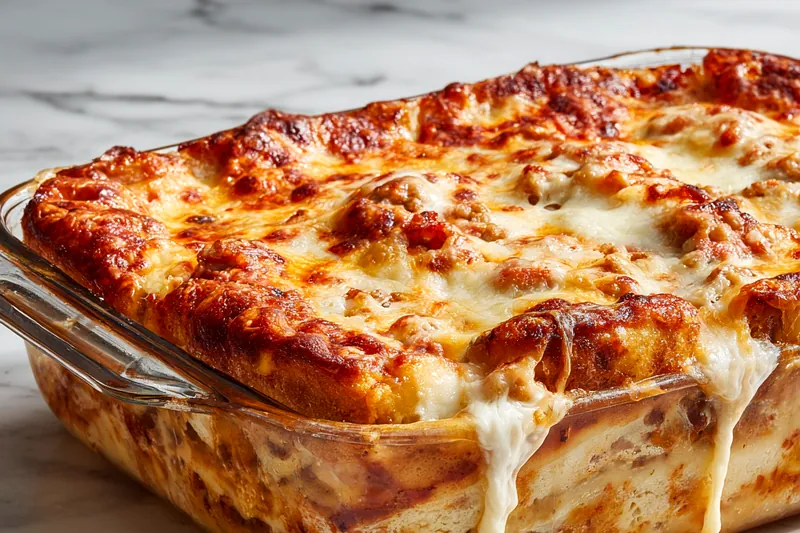
Proper oven positioning and temperature are crucial for even cooking. Place your rack in the center position to ensure heat circulates evenly around the casserole. If your oven tends to run hot or cold, invest in an oven thermometer to verify accuracy - even a 25-degree difference can significantly impact results. The casserole should emerge from the oven with a gorgeous golden-brown top and edges that have pulled slightly away from the sides of the pan.
Presentation matters, especially for special occasions. Cut the casserole into neat squares using a sharp knife wiped clean between cuts. A large offset spatula makes serving much easier than a regular spatula. Serve each portion with a generous drizzle of warm maple syrup, a dusting of powdered sugar, or a dollop of butter. Fresh berries, whipped cream, or a side of crispy bacon complement this dish beautifully and add color to your breakfast spread.
Achieving Perfect Layers
The key to beautiful, distinct layers is pouring the batters carefully and evenly. Pour the first layer of batter into the prepared pan, then use an offset spatula or the back of a spoon to gently spread it to the edges, ensuring even coverage. Distribute the sausage and first cup of cheese evenly across the entire surface - this prevents heavy spots that can cause uneven cooking. When adding the second layer of batter, pour it slowly over the back of a large spoon held close to the surface to prevent disturbing the filling layer beneath. This technique ensures the sausage and cheese stay in the middle rather than sinking or floating. Finally, sprinkle the remaining cheese evenly across the top for that irresistible golden, crispy cheese crust.
Fluffy Pancake Sausage Casserole
📋 Ingredients
Main Ingredients
- ⅓ cup maple syrup (for batter)Use real maple syrup, not pancake syrup, for best flavor
- Extra maple syrup for servingWarm it slightly for easier drizzling and enhanced flavor
Toppings & Garnish
- 1 pound breakfast sausage linksRegular pork or turkey sausage; avoid extra-lean varieties
- 2 cups pancake mixComplete pancake mix, not just flour; homemade batter also works
- 1½ cups milk2% or whole milk recommended for best texture
- 2 large eggsRoom temperature eggs incorporate more easily
- 2 cups shredded cheddar cheeseSharp or extra-sharp for best flavor; shred from block
- ¼ cup melted butterUnsalted or salted both work; cool slightly before adding
- 1 teaspoon vanilla extractPure vanilla extract enhances overall flavor
- Cooking spray or butterFor greasing the baking dish
Instructions
Prepare and Cook Sausage
Preheat your oven to 375°F. While the oven heats, cook the breakfast sausage links in a large skillet over medium heat, turning occasionally, until evenly browned and cooked through, about 8-10 minutes. The internal temperature should reach 160°F. Transfer to a cutting board and let cool for 3-4 minutes, then slice into bite-sized pieces (about ½-inch rounds). Set aside.
Mix Pancake Batter
In a large mixing bowl, whisk together the pancake mix, milk, eggs, melted butter, maple syrup, and vanilla extract until just combined. The batter should be slightly lumpy - don't overmix or the casserole will be tough. Let the batter rest for 5 minutes to allow the leavening agents to activate. This rest period is crucial for achieving maximum fluffiness.
Assemble the Casserole
Generously spray a 9x13-inch baking dish with cooking spray, making sure to coat the bottom, corners, and sides. Pour half of the pancake batter into the prepared dish, using a spatula to spread it evenly to all edges. Distribute the cooked sausage pieces evenly across the batter, then sprinkle 1 cup of the shredded cheddar cheese over the sausage. Carefully pour the remaining batter over the top, trying not to disturb the sausage layer. Spread gently to cover. Sprinkle the remaining 1 cup of cheese evenly across the top.
Bake the Casserole
Place the casserole in the preheated oven and bake uncovered for 30-35 minutes. The casserole is done when the top is golden brown, the edges have pulled slightly away from the sides of the pan, and a toothpick or knife inserted in the center comes out clean or with just a few moist crumbs. If the top is browning too quickly, tent loosely with aluminum foil for the last 10 minutes of baking.
Rest and Serve
Remove the casserole from the oven and let it rest for 5 minutes before cutting. This resting time allows the structure to set, making it much easier to cut clean portions. Cut into 8 squares using a sharp knife. Serve each portion warm with a generous drizzle of maple syrup. Optional garnishes include a dusting of powdered sugar, a pat of butter, or fresh berries.
Recipe Notes & Tips
Make-Ahead Instructions
This casserole is perfect for make-ahead breakfasts. Assemble completely, cover tightly with plastic wrap or aluminum foil, and refrigerate for up to 24 hours before baking. Allow it to sit at room temperature for 15 minutes before baking, and add 5-10 minutes to the baking time since it's starting cold. You can also bake it completely, cool, cover, and refrigerate for up to 3 days, then reheat portions as needed.
Storage and Reheating
Store leftover casserole covered in the refrigerator for up to 4 days. Reheat individual portions in the microwave for 60-90 seconds or in a 350°F oven for 10-15 minutes. For freezing, wrap individual portions tightly in plastic wrap and aluminum foil; freeze for up to 2 months. Thaw overnight in the refrigerator before reheating.
Customization Ideas
This recipe is very adaptable to your preferences. Try adding sautéed vegetables like bell peppers, onions, or mushrooms to the filling layer. Swap the cheddar for other cheeses like Monterey Jack, pepper jack, or a Mexican blend. For a sweeter version, add 1/2 teaspoon cinnamon to the batter and use maple-flavored sausage. You can also make mini versions in muffin tins - reduce baking time to 18-22 minutes.