Crispy Garlic Parmesan Roasted Potatoes
These crispy garlic parmesan roasted potatoes are the ultimate side dish that pairs perfectly with everything from weeknight chicken to holiday roasts. Golden-brown exteriors give way to fluffy, tender interiors, all coated in buttery garlic and nutty parmesan. The secret to their irresistible texture is roasting them cut-side down at high heat, creating that coveted crispy crust while keeping the insides perfectly creamy.

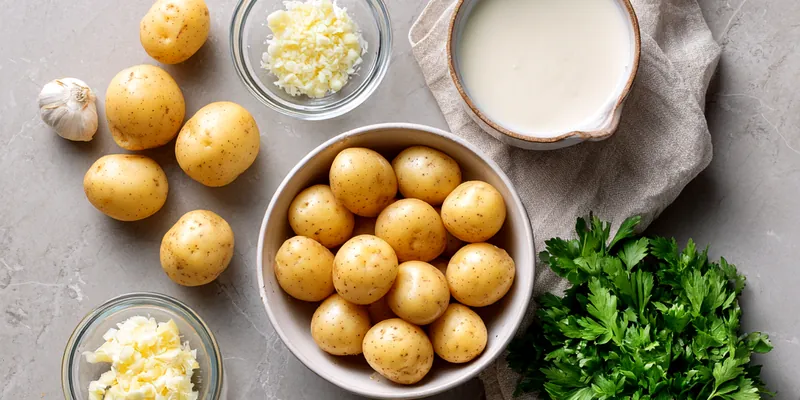
Why This Roasted Potato Recipe Works
The magic of these potatoes lies in the combination of high-heat roasting and strategic layering of flavors. By starting with olive oil and roasting at 425°F, we create maximum surface contact with the hot pan, developing that golden crust through the Maillard reaction. The cut-side down positioning is crucial because it allows direct contact with the baking sheet, creating crispy edges that contrast beautifully with the fluffy interior. Unlike boiling or steaming, this dry-heat method concentrates the potato's natural sugars, intensifying their flavor.
Baby gold potatoes are the ideal choice for this recipe because their thin skins don't require peeling and their naturally buttery flavor complements the garlic and parmesan perfectly. Their size ensures even cooking, with no raw centers or overcooked edges. The timing of adding butter and cheese at the end is intentional - adding them too early would cause burning, but tossing them with the hot potatoes creates a glossy coating that clings to every surface. The residual heat gently melts the parmesan into the butter, creating a sauce-like consistency that's far superior to adding cold toppings.
💡 Professional Tip
For extra crispy potatoes, pat them completely dry after washing and let them sit at room temperature for 15 minutes before roasting. Surface moisture is the enemy of crispiness, and starting with room-temperature potatoes ensures more even cooking.
Frequently Asked Questions
You can prep the potatoes up to 4 hours in advance by cutting and tossing them with the oil and seasonings, then storing them covered in the refrigerator. However, for best results, roast them fresh and serve immediately. If you must reheat, spread them on a baking sheet and crisp them in a 400°F oven for 8-10 minutes rather than microwaving, which will make them soggy.
Absolutely! Yukon gold potatoes cut into 1-inch chunks work beautifully, as do fingerling potatoes or even red potatoes. Avoid russet potatoes as they tend to fall apart and don't crisp as well. Whatever variety you choose, keep the pieces uniform in size to ensure even cooking. Smaller potatoes will need less time, while larger chunks may need an extra 5-10 minutes.
Crispy potatoes require three things: high heat, dry surfaces, and space on the pan. Make sure your oven is fully preheated to 425°F, pat the potatoes completely dry, and don't overcrowd the baking sheet - they need room for air circulation. If they're steaming each other, they'll never crisp up. Use two baking sheets if necessary, and resist the urge to stir them too often, which prevents browning.
While you can use pre-grated parmesan in a pinch, freshly grated parmesan from a block makes a significant difference in both flavor and texture. Pre-grated cheese contains anti-caking agents that prevent it from melting smoothly and creating that glossy coating. Freshly grated parmesan melts into the butter beautifully and provides a more robust, nutty flavor that elevates the entire dish.
The potatoes are perfectly done when they're deeply golden brown on the cut sides and easily pierced with a fork with no resistance. You should see caramelization and crispy edges. If they're still pale after 25 minutes, give them another 5-10 minutes. The internal temperature should reach about 210°F for that fluffy texture. Don't rely solely on time - visual cues and texture testing are your best indicators.
These versatile potatoes pair beautifully with virtually any protein. They're perfect alongside roasted chicken, grilled steak, pan-seared salmon, or pork chops. For a complete meal, serve them with roasted vegetables like Brussels sprouts or green beans. They're also fantastic for holiday dinners, complementing turkey, ham, or prime rib. The garlic and parmesan flavors are rich enough to stand up to bold mains but balanced enough not to overpower lighter dishes.
Definitely! This recipe is very adaptable. Try adding fresh rosemary or thyme before roasting, or finish with fresh chives or basil. For a spicy kick, add red pepper flakes or cayenne pepper. Italian seasoning works wonderfully with the parmesan. You could also experiment with smoked paprika for depth, or add lemon zest at the end for brightness. Just keep the base technique the same for optimal crispiness.
Store leftover potatoes in an airtight container in the refrigerator for up to 3 days. To reheat and restore crispiness, spread them on a baking sheet and bake at 400°F for 10-12 minutes, or use an air fryer at 375°F for 5-7 minutes. Avoid microwaving as it will make them soggy. They won't be quite as crispy as fresh, but this method comes close. You can also dice cold leftovers and pan-fry them for breakfast hash.
Recipe Troubleshooting Guide
Potatoes Are Burning Before Cooking Through
Problem: The exterior is getting too dark while the inside remains hard and undercooked, resulting in burnt-tasting potatoes.
Solution: Your oven temperature is likely too high or your potatoes are cut too large. Lower the temperature to 400°F and add 10 minutes to the cooking time, or cut the potatoes into smaller, more uniform pieces. You can also cover them loosely with foil for the first 15 minutes to slow exterior browning while the insides cook through, then uncover to crisp up.
Potatoes Won't Get Crispy
Problem: Even after extended roasting, the potatoes remain soft and pale without developing that golden, crispy exterior.
Solution: This usually means there's too much moisture or the pan is overcrowded. Pat potatoes bone-dry before tossing with oil, use less oil if they seem greasy, and spread them in a single layer with space between each piece. Try roasting on the lower oven rack for more direct heat, and avoid opening the oven door frequently which releases heat and creates steam.
Garlic Is Burning
Problem: The minced garlic is turning black and bitter during roasting, creating an acrid flavor.
Prevention: Garlic burns easily at high temperatures. Either add the minced garlic for the last 10 minutes of roasting only, or use garlic powder for the initial roast and add fresh minced garlic with the butter at the end. You can also use whole smashed garlic cloves which are less likely to burn than minced garlic, and they can be removed before serving if desired.
Parmesan Isn't Melting
Problem: The parmesan cheese sits on top of the potatoes as dry powder instead of melting into a creamy coating.
Recovery: The potatoes need to be hot enough to melt the cheese. Make sure you're adding the parmesan immediately when the potatoes come out of the oven, and toss vigorously to coat. Using freshly grated parmesan instead of pre-grated also helps. If needed, return to the oven for 1-2 minutes under the broiler, watching carefully to prevent burning. Mixing the parmesan with the melted butter before adding also helps it distribute evenly.
Potatoes Sticking to the Pan
Problem: The potatoes are welded to the baking sheet, tearing apart when you try to flip or remove them.
Prevention: Use enough oil - don't skimp on the 3 tablespoons. Line your baking sheet with parchment paper or use a well-seasoned or non-stick pan. Make sure the oven and pan are fully preheated before adding potatoes. Most importantly, let them roast undisturbed for at least 15 minutes before flipping - they'll naturally release when a proper crust forms. Use a thin metal spatula to get underneath them.
Flavor Balance Issues
Too Sweet: If your potatoes taste unexpectedly sweet, you may have over-caramelized them. Reduce oven temperature by 25°F or cook for a shorter time, checking at the 20-minute mark.
Too Salty: If too salty, it's likely from the combination of salt and parmesan. Reduce the initial salt to 1/2 teaspoon and use less parmesan, or choose low-sodium parmesan. You can also squeeze fresh lemon juice over them to balance the saltiness.
Bland: If bland, increase the garlic and add more salt in layers - season before roasting AND after. Use high-quality parmesan for maximum flavor impact. Fresh herbs at the end add brightness, and a drizzle of extra melted butter never hurts.
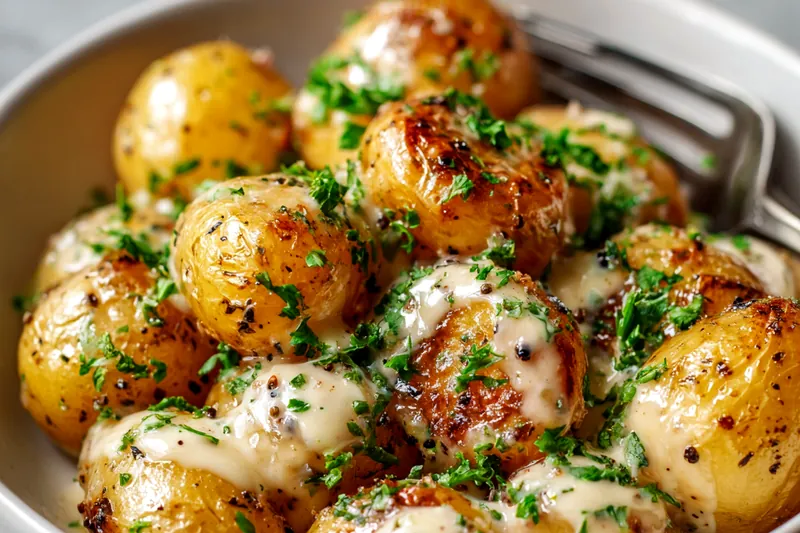
Selecting the Best Ingredients for Maximum Flavor
The foundation of exceptional roasted potatoes starts at the grocery store with potato selection. Baby gold potatoes are ideal because they have a naturally buttery, creamy texture and thin skins that become wonderfully crispy when roasted. Look for potatoes that are firm, smooth, and free of green spots or sprouting eyes. They should be roughly uniform in size - about 1.5 to 2 inches in diameter - to ensure even cooking. If you can only find larger potatoes, simply cut them into quarters instead of halves to maintain similar cooking times.
When it comes to parmesan, quality makes an enormous difference. Authentic Parmigiano-Reggiano from Italy offers complex, nutty flavors that pre-grated domestic parmesan simply cannot match. Buy it in a block and grate it yourself right before using - the difference in flavor and melting quality is dramatic. For the garlic, fresh is non-negotiable; jarred minced garlic lacks the pungent, aromatic qualities that make this dish shine. Choose plump, firm garlic bulbs with tight skins, and mince them just before cooking to preserve their essential oils and maximize flavor impact.
Essential Ingredient Notes
- Baby Gold Potatoes: Choose potatoes that are firm with no soft spots, wrinkles, or green discoloration. The smaller and more uniform they are, the more evenly they'll cook. Store them in a cool, dark place but not in the refrigerator, as cold temperatures convert their starches to sugar, affecting texture and flavor.
- Fresh Parmesan Cheese: Look for Parmigiano-Reggiano with the authentic stamp on the rind - this guarantees quality and origin. The cheese should be straw-yellow in color with a granular texture and slightly crystalline appearance. Grate it fresh using the small holes of a box grater or a microplane for the finest texture that melts beautifully into the butter.
- Fresh Garlic: Select garlic heads that are heavy for their size with tight, papery skins and no visible sprouting. Avoid bulbs with brown spots or those that feel soft. To mince efficiently, crush cloves with the flat side of a knife first, then chop finely. The crushing releases more oils and aromatics than chopping alone.
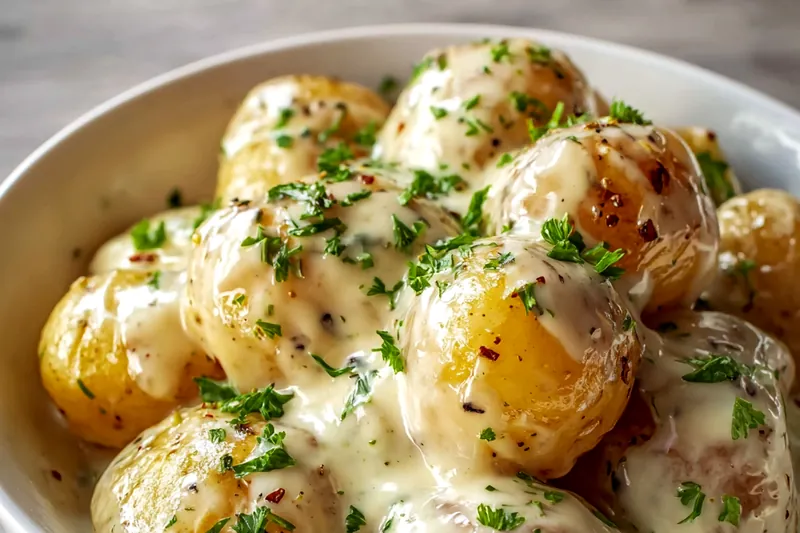
Mastering the Perfect Roasting Technique
The key to restaurant-quality roasted potatoes lies in understanding heat dynamics and surface contact. When you place potatoes cut-side down on a preheated baking sheet at 425°F, you create maximum contact between the potato starch and the hot metal surface. This direct contact initiates the Maillard reaction - the chemical process that creates complex flavors and golden-brown color. The high heat rapidly evaporates surface moisture, which is essential for crispiness. If you flip them too early, you interrupt this process and end up with pale, soft potatoes instead of crispy, caramelized ones.
The timing of when you add butter and cheese is equally critical to success. Adding them before or during roasting would cause burning and create a greasy, separated coating. Instead, by adding them immediately after the potatoes emerge from the oven, you harness the residual heat to gently melt the cheese without overcooking it. The melted butter acts as a vehicle for flavor, helping the parmesan adhere to every surface while adding richness. Tossing vigorously while everything is hot creates an emulsified coating that's glossy and evenly distributed, not clumpy or dry. That final broil for 2-3 minutes creates a golden crust on the cheese layer that adds textural contrast and visual appeal.
The Cut-Side Down Method
Placing potato halves cut-side down on the baking sheet is the single most important technique for achieving crispy potatoes. This maximizes surface contact with the hot pan, allowing proper caramelization and crust formation. Resist the urge to flip them before 15 minutes - patience is rewarded with deeply golden, crispy bottoms that won't stick to the pan when properly developed. Use a thin metal spatula to release them when ready.
Crispy Garlic Parmesan Roasted Potatoes
📋 Ingredients
Main Ingredients
- 3 tablespoons unsalted butter, meltedMelt just before using - don't let it brown
- 1/2 cup freshly grated Parmesan cheeseGrate from a block for best melting quality
- 2 tablespoons fresh parsley, finely choppedUse flat-leaf Italian parsley for best flavor
- 1/4 teaspoon red pepper flakes (optional)Adds a subtle heat without overpowering
Seasoning & Finish
- 2 pounds baby gold potatoes, halvedChoose potatoes 1.5-2 inches in diameter for uniform cooking
- 3 tablespoons olive oilExtra virgin olive oil adds the best flavor
- 4 cloves garlic, mincedMince fresh - jarred garlic won't deliver the same punch
- 1 teaspoon saltKosher or sea salt works best for even distribution
- 1/2 teaspoon black pepper, freshly groundFresh cracked pepper has more vibrant flavor
- 1/2 teaspoon paprikaAdds color and subtle sweetness - use sweet not smoked
- 1 teaspoon garlic powderReinforces garlic flavor without burning risk
Instructions
Prepare and Season Potatoes
Preheat your oven to 425°F and position the rack in the lower third for better browning. Wash baby potatoes thoroughly and pat them completely dry with paper towels - this step is crucial for crispiness. Halve each potato lengthwise. In a large mixing bowl, combine the halved potatoes with olive oil, minced garlic, salt, black pepper, paprika, and garlic powder. Toss thoroughly with your hands or a large spoon until every potato piece is evenly coated with the oil and seasonings.
Initial Roasting
Arrange the seasoned potatoes cut-side down in a single layer on a large rimmed baking sheet, leaving space between each piece for air circulation. Don't overcrowd - use two pans if necessary. Roast undisturbed for 15 minutes to develop the crispy crust, then use a thin metal spatula to carefully flip each potato. Continue roasting for another 10-15 minutes until the potatoes are deeply golden brown with caramelized edges and easily pierced with a fork, for a total roasting time of 25-30 minutes.
Add Butter and Parmesan
Remove the baking sheet from the oven and immediately transfer the hot potatoes to a large serving bowl. While they're still piping hot, drizzle the melted butter evenly over all the potatoes. Add the freshly grated Parmesan cheese and toss vigorously for 30-45 seconds until the cheese begins to melt into the butter and coats all the potatoes evenly. The residual heat will create a creamy, glossy coating that clings to every surface.
Final Broil and Garnish
Transfer the cheese-coated potatoes back to the baking sheet in a single layer. Turn your oven to broil on high and position the rack about 6 inches from the heating element. Broil for 2-3 minutes, watching carefully, until the parmesan becomes golden and slightly bubbly with crispy edges. Remove immediately to prevent burning. Transfer to your serving bowl, garnish generously with fresh chopped parsley and optional red pepper flakes. Serve immediately while hot and crispy for maximum enjoyment.
Recipe Notes & Tips
Storage
Store leftover potatoes in an airtight container in the refrigerator for up to 3 days. For best results when reheating, spread them on a baking sheet and crisp them in a 400°F oven for 10-12 minutes, or use an air fryer at 375°F for 5-7 minutes. Avoid microwaving as it will make them soggy and lose their signature crispy texture.
Serving Suggestions
These versatile potatoes pair beautifully with roasted chicken, grilled steak, pan-seared salmon, pork chops, or as part of a holiday spread. Serve them alongside roasted vegetables or a fresh green salad for a complete meal. For breakfast or brunch, top with fried eggs and crispy bacon. They also make an excellent base for loaded potato variations with sour cream and chives.
Variations
Try adding fresh rosemary or thyme sprigs during roasting for an herby version. Swap parmesan for pecorino romano for a sharper flavor, or use a mix of both. For spicy potatoes, increase red pepper flakes to 1/2 teaspoon or add cayenne pepper. You can also finish with a squeeze of fresh lemon juice and lemon zest for brightness, or add crispy bacon bits for extra indulgence.