Creamy Sausage Pierogi Skillet
This Creamy Sausage Pierogi Skillet is the ultimate comfort food that comes together in just one pan. Tender pierogies meet smoky sausage in a luxurious cream sauce that's rich, satisfying, and absolutely delicious. Perfect for those busy weeknights when you want something hearty without spending hours in the kitchen.

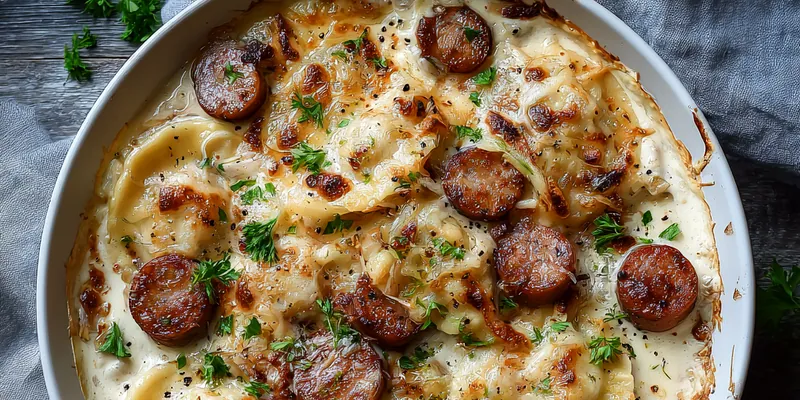
Why This Pierogi Skillet Recipe Works
The beauty of this dish lies in its simplicity and the layering of flavors. By browning the sausage first, we create fond (those delicious browned bits) at the bottom of the pan that adds depth to our cream sauce. The frozen pierogies are a time-saver that doesn't compromise on taste—they cook directly in the sauce, absorbing all those wonderful flavors while releasing their potato and cheese filling essence into the cream. This creates a harmonious blend where every component enhances the others.
Using one pan isn't just about easy cleanup—it's about building flavor. Each step adds another layer: the caramelized sausage provides smokiness and salt, the garlic brings aromatic punch, the cream sauce becomes enriched with the starch from the pierogies, and the cheese ties everything together with rich, melty goodness. This technique ensures that no flavor is left behind, and every bite is as satisfying as the last. It's the kind of meal that feels indulgent but comes together faster than ordering takeout.
💡 Professional Tip
Don't overcrowd the skillet when browning the sausage and pierogies. Work in batches if necessary to ensure proper caramelization. Those golden-brown edges are where the flavor lives, and crowding creates steam instead of the delicious browning we're after.
Frequently Asked Questions
While this dish is best served fresh, you can prep the components ahead. Brown the sausage and store it in the fridge for up to 2 days. The full dish can be made ahead and reheated gently on the stovetop with a splash of cream or milk to loosen the sauce. However, the pierogies may absorb more sauce as they sit, so you might need to add extra liquid when reheating. For best results, make the sauce and cook the pierogies right before serving.
Absolutely! Fresh pierogies work beautifully in this recipe. They'll need slightly less cooking time—about 2-3 minutes per side instead of 3-4. If using homemade pierogies, be extra gentle when stirring to prevent them from breaking apart. Fresh pierogies may also be more delicate, so use a silicone spatula and handle them carefully. The flavor will be even more authentic with fresh, though frozen pierogies are incredibly convenient and still delicious.
Smoked sausage (kielbasa) is traditional and highly recommended for its smoky, savory flavor that complements the creamy sauce perfectly. However, you can use Italian sausage (removed from casings and crumbled), andouille for a spicy kick, or even chicken sausage for a lighter option. Turkey kielbasa works well if you want to reduce fat content. Each type brings its own flavor profile—spicy Italian adds heat, while chicken sausage keeps things mild and lighter.
Yes, with some substitutions. Use dairy-free butter or olive oil, replace heavy cream with full-fat coconut milk or cashew cream, and use dairy-free cheese that melts well (brands like Violife or Daiya work well). The sauce will have a slightly different flavor profile but will still be rich and creamy. You might need to add a bit more flour to thicken the coconut milk since it's less thick than heavy cream. Nutritional yeast can add a cheesy flavor if your dairy-free cheese is mild.
The pierogies should be tender when pierced with a fork, with no hard or frozen center. The sauce should coat the back of a spoon and be thick enough that it doesn't immediately run off. You'll see gentle bubbles around the edges, and the cheese should be fully melted and incorporated. The sausage should have dark golden-brown caramelization, and the overall dish should look glossy and cohesive, not watery. If the sauce seems thin, let it simmer uncovered for another 2-3 minutes.
This is a hearty one-dish meal, but it pairs wonderfully with lighter sides to balance the richness. A crisp green salad with vinaigrette, roasted vegetables like Brussels sprouts or green beans, or sautéed spinach with garlic are excellent choices. For a more traditional Polish meal, serve with pickled vegetables or sauerkraut to cut through the creaminess. Crusty bread is perfect for soaking up any extra sauce. A simple cucumber salad with dill and sour cream is also a classic accompaniment.
Definitely! This recipe is very versatile. Sautéed mushrooms, bell peppers, or onions can be added when cooking the sausage. Spinach or kale can be stirred in at the end and will wilt in the hot sauce. Broccoli florets or peas add color and nutrition—just add them when you pour in the broth so they cook through. Sun-dried tomatoes provide a tangy contrast to the cream. Just keep in mind that adding vegetables may require a bit more liquid in the sauce.
Store leftovers in an airtight container in the refrigerator for up to 3 days. The sauce will thicken considerably as it cools because the pierogies absorb liquid. When reheating, add 2-3 tablespoons of milk, cream, or broth and heat gently on the stovetop over medium-low heat, stirring frequently. You can also microwave individual portions, adding a splash of liquid and covering to prevent drying out. Reheat for 2-3 minutes, stirring halfway through. The dish isn't ideal for freezing as the cream sauce may separate and the pierogies can become mushy upon thawing.
Recipe Troubleshooting Guide
Sauce Is Too Thin
Problem: The cream sauce is watery and won't thicken properly, making the dish look soupy instead of creamy and cohesive.
Solution: Continue simmering the sauce uncovered for 3-5 more minutes to allow excess liquid to evaporate. Make sure you added the flour and stirred it well to coat the pierogies before adding liquids—this is crucial for thickening. If the sauce is still thin, mix 1 tablespoon of cornstarch with 2 tablespoons of cold water to create a slurry, then stir it into the simmering sauce. Alternatively, add an extra 1/4 cup of shredded cheese, which will help thicken as it melts. Make sure your heat is high enough to maintain a gentle simmer.
Pierogies Are Mushy
Problem: The pierogies have become soft and falling apart instead of maintaining their shape and slightly firm texture.
Solution: This usually happens from overcooking or too much stirring. Frozen pierogies should be cooked until just tender, not boiled to death. When browning, resist the urge to move them constantly—let them sit and develop a golden crust. Once you add the sauce, stir gently and infrequently. If you're reheating leftovers, do so very gently and briefly. Next time, reduce cooking time by 2-3 minutes and handle the pierogies more delicately. Using a silicone spatula instead of a wooden spoon helps prevent breaking.
Sausage Didn't Brown
Problem: The sausage slices are cooked but pale and lack the caramelized, flavorful crust that adds depth to the dish.
Prevention: The skillet wasn't hot enough. Make sure your pan is properly preheated over medium-high heat before adding the sausage. Don't overcrowd the pan—cook in batches if necessary. Leave space between sausage slices so they sear rather than steam. Once you add the sausage, resist moving it for at least 2 minutes to allow proper browning. Pat the sausage dry with paper towels before cooking if it's particularly moist. If your sausage is very fatty, it will release liquid—let this cook off before browning begins.
Dish Is Too Greasy
Problem: There's an oily layer on top of the sauce, making the dish feel heavy and leaving an unpleasant film in your mouth.
Recovery: This happens when the sausage releases too much fat. After browning the sausage, pour off all but 1-2 tablespoons of the rendered fat before proceeding. You can also use a paper towel to carefully blot excess grease from the pan. Choose a leaner sausage variety, or use turkey kielbasa instead of pork. If the dish is already made, tilt the pan slightly and use a spoon to skim the excess oil from the surface. The sauce should be creamy, not oily.
Garlic Burned
Problem: The garlic has dark brown or black spots and tastes bitter instead of aromatic and sweet.
Prevention: Garlic burns quickly, especially in a hot pan. Always add garlic toward the end of cooking other ingredients—in this case, during the last minute of browning pierogies. Make sure your heat isn't too high when garlic is in the pan; reduce to medium if needed. If you do burn the garlic, it's best to wipe out the pan and start that step over with fresh garlic, as burned garlic will make the entire dish taste bitter. Mincing garlic finely rather than using large chunks also helps it cook more evenly without burning.
Flavor Balance Issues
Too Sweet: If your sauce tastes too sweet (which can happen with certain sausages), add a splash of white wine vinegar or lemon juice to cut the sweetness. A pinch of red pepper flakes also helps balance sweetness with heat.
Too Salty: If the dish is too salty, add more unsalted cream or a splash of milk to dilute. You can also add more plain cooked pierogies if you have them. A squeeze of lemon juice helps balance saltiness as well.
Bland: If the dish tastes flat, it likely needs salt and pepper. Taste before serving and season accordingly. Add a pinch of garlic powder, onion powder, or paprika for depth. Fresh herbs like parsley or dill brighten everything. A small splash of white wine or a squeeze of lemon adds brightness.

Choosing the Right Ingredients
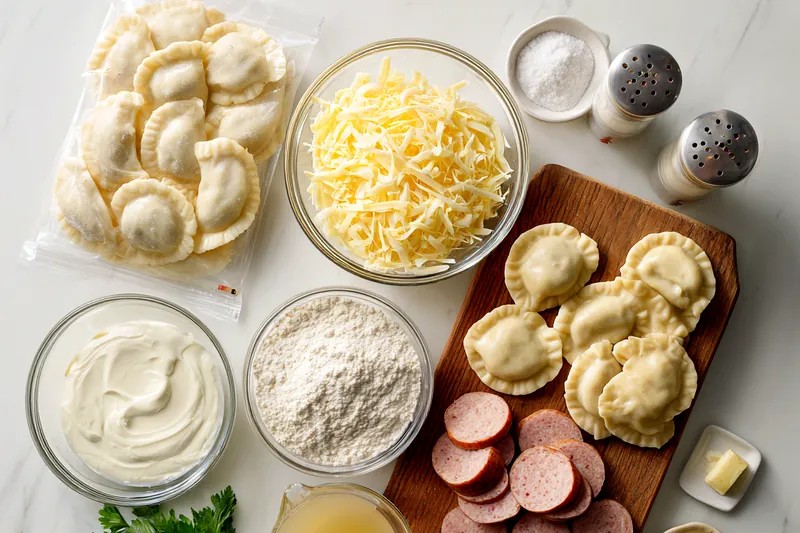
The quality of your ingredients directly impacts the final dish. For pierogies, look for brands with simple, recognizable ingredients—potato, cheese, flour, and eggs. Mrs. T's is widely available and reliable, but ethnic grocery stores often carry authentic Polish brands that are exceptional. Avoid pierogies with overly long ingredient lists or those that feel icy or freezer-burned in the package. The filling should be substantial, not mostly dough. When it comes to sausage, choose a high-quality smoked kielbasa with visible spices and a good meat texture. Avoid sausages that are overly processed or have a rubbery texture.
Don't skimp on the dairy—this is where the sauce gets its luxurious texture. Use real heavy cream (not half-and-half), as the fat content is essential for a sauce that coats beautifully without breaking. For cheese, freshly shredded melts better than pre-shredded, which contains anti-caking agents that can make the sauce grainy. A blend of sharp cheddar and mozzarella gives you both flavor and meltability. Use low-sodium chicken broth so you can control the salt level, as smoked sausage can be quite salty on its own. Fresh garlic makes a noticeable difference over jarred—it's more aromatic and adds a gentle sweetness that powder can't replicate.
Essential Ingredient Notes
- Pierogies: Frozen potato-and-cheese pierogies are the most traditional choice for this recipe. They hold up well to pan-frying and absorb the sauce beautifully. You can also use sauerkraut-filled pierogies for a tangier flavor or sweet cheese pierogies for variety. Don't thaw them before cooking—they cook perfectly from frozen and maintain better texture. Look for pierogies with a good dough-to-filling ratio; you should be able to see and feel the plump filling inside.
- Smoked Sausage: Polish kielbasa is the gold standard for this dish. Look for rings or links labeled 'smoked' for the best flavor. The sausage should have a firm texture and visible seasonings like garlic and pepper. Slice into 1/4-inch rounds for the best ratio of caramelized surface to tender interior. If you prefer spice, use hot links or add red pepper flakes. For a lighter version, turkey kielbasa works well but won't have quite the same depth of smoky flavor.
- Heavy Cream: Heavy cream (also labeled heavy whipping cream) contains 36-40% fat, which is essential for a stable, velvety sauce that won't curdle or separate when simmered. Half-and-half won't work as well because it lacks the fat content to create the proper texture. The cream should be very cold from the refrigerator when you add it. If you need to lighten the dish slightly, you can use half heavy cream and half whole milk, but avoid going below 50% cream or your sauce may be thin.
Mastering the Technique
The key to this recipe is building flavors in layers and managing your heat properly. Start with a properly preheated pan—medium-high is perfect for browning the sausage. You want to hear a sizzle when the sausage hits the pan. Don't rush this step; those caramelized bits are pure flavor gold. When you add the pierogies, let them sit undisturbed for a few minutes before flipping. This patience is rewarded with golden-brown, crispy edges that add texture contrast to the creamy sauce. The garlic goes in last during this step because it cooks quickly and can burn if added too early.
Creating the sauce is where technique really matters. The flour coating on the pierogies acts as a thickener—stir it well to distribute evenly. When adding liquids, pour gradually while stirring to prevent lumps. The sauce should come to a gentle simmer, not a rolling boil, which could cause the cream to break. Stir frequently but gently to prevent sticking without breaking the pierogies. The cheese melts best when stirred in off the heat or over very low heat. If you add it to sauce that's too hot, it can become stringy or grainy. The final consistency should coat a spoon but still flow—think rich Alfredo texture, not paste. If it thickens too much, a splash of broth or cream brings it back to perfection.
Creating the Perfect Cream Sauce
The secret to a flawless cream sauce is temperature control and proper emulsification. After sprinkling the flour over the pierogies, give it a minute to cook out the raw flour taste while stirring constantly. This creates a roux-like base. When adding the chicken broth, pour it slowly while whisking or stirring vigorously to incorporate the flour without lumps. The broth should be at room temperature if possible—cold liquid into a hot pan can cause seizing. Once the broth is incorporated, add the cream and bring everything to a gentle simmer. You'll see small bubbles around the edges, but not a vigorous boil. This gentle heat allows the sauce to thicken gradually through reduction and the starches from the pierogies, creating a velvety texture. Stir frequently, scraping the bottom to prevent scorching. The sauce is ready when it coats the back of a spoon and you can draw a line through it with your finger that holds its shape for a moment. This entire process takes about 6-8 minutes from start to finish, and patience here ensures a professional-quality sauce.
Creamy Sausage Pierogi Skillet
📋 Ingredients
Main Ingredients
- 1 cup chicken brothUse low-sodium to control salt level
- 1 cup heavy creamMust be heavy cream, not half-and-half
- 1½ cups shredded cheeseCheddar or cheddar-mozzarella blend, freshly shredded
- 2 tablespoons all-purpose flourActs as thickening agent for the sauce
- ½ teaspoon black pepperFreshly ground preferred
- ¼ teaspoon saltAdjust based on sausage saltiness
Sauce Ingredients
- 1 pound frozen pierogiesPotato and cheese variety, do not thaw
- 12 ounces smoked sausageKielbasa preferred, sliced into ¼-inch rounds
- 2 tablespoons butterUnsalted or salted works fine
- 3 cloves garlic, mincedFresh garlic is essential for best flavor
- 2 tablespoons fresh parsley, choppedFor garnish; can substitute dried if needed
- Red pepper flakes (optional)Add heat to taste, typically ¼ teaspoon
Instructions
Brown the Sausage
In a large skillet over medium-high heat, add sliced sausage. Cook for 4-5 minutes, stirring occasionally, until the sausage develops golden-brown caramelized spots on both sides. Remove sausage from skillet and set aside on a plate, leaving any rendered fat in the pan for flavor.
Cook the Pierogies
Add butter to the same skillet. Once melted and bubbling, add frozen pierogies in a single layer (work in batches if needed). Cook for 3-4 minutes per side without moving them much, until golden brown and crispy. Add minced garlic during the last minute of cooking and stir until fragrant, about 30 seconds.
Create the Cream Sauce
Sprinkle flour evenly over the pierogies and stir gently to coat everything, cooking for 1 minute. Slowly pour in chicken broth while stirring constantly to prevent lumps. Add heavy cream, salt, and black pepper. Bring to a gentle simmer, stirring frequently. Let the sauce bubble gently for 3-4 minutes until it thickens enough to coat the back of a spoon.
Combine and Finish
Return the browned sausage to the skillet, distributing evenly. Reduce heat to low and stir in 1 cup of shredded cheese until completely melted and incorporated into the sauce. Let simmer gently for 2-3 minutes until pierogies are tender throughout and sauce has reached your desired thickness. Sprinkle remaining ½ cup cheese on top, cover the skillet for 1 minute to melt, then remove from heat. Garnish with fresh parsley and additional black pepper if desired. Serve immediately while hot and creamy.
Recipe Notes & Tips
Storage
Store leftovers in an airtight container in the refrigerator for up to 3 days. The sauce will thicken as it cools. Reheat gently on the stovetop over medium-low heat, adding 2-3 tablespoons of milk or cream to restore the sauce consistency. Stir frequently and heat just until warmed through. Not recommended for freezing as the cream sauce may separate and pierogies can become mushy.
Serving Suggestions
This dish is hearty enough to serve as a complete meal, but pairs beautifully with a crisp green salad dressed with vinaigrette to balance the richness. Roasted vegetables like Brussels sprouts, green beans, or asparagus make excellent sides. For a traditional Polish meal, serve with pickled vegetables or sauerkraut on the side. Crusty bread is perfect for soaking up extra sauce.
Variations
Add sautéed mushrooms and onions for extra vegetables. Substitute Italian sausage for a different flavor profile. Use different pierogi varieties like sauerkraut-and-mushroom for a tangier dish. Stir in fresh spinach or kale at the end for added nutrition. For spice lovers, use andouille sausage and add cayenne pepper. Make it lighter with turkey kielbasa and substitute half the cream with whole milk.