Creamy Sausage Broccoli Pasta
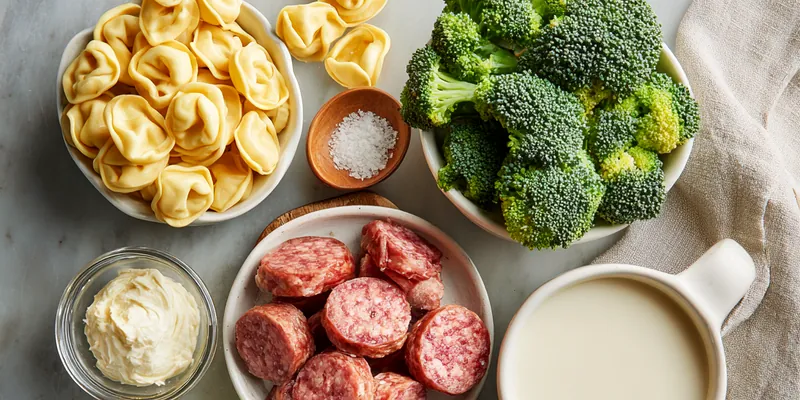
This creamy sausage broccoli pasta is the ultimate weeknight comfort food that comes together in just one pot. Tender pasta combines with savory Italian sausage, vibrant broccoli florets, and a rich Parmesan cream sauce for a restaurant-quality meal at home. It's the kind of dish that satisfies the whole family while keeping cleanup minimal.

Why This Sausage Broccoli Pasta Works
The magic of this recipe lies in its layered flavors and efficient cooking method. By browning the sausage first, we develop deep caramelized flavors that become the foundation of the entire dish. The rendered fat from the sausage adds richness without requiring extra butter or oil, and those browned bits stuck to the pan dissolve into the sauce, adding incredible depth.
Using one pot isn't just about easy cleanup. When you cook the pasta directly in the broth with the other ingredients, the starch released from the pasta naturally thickens the sauce and helps it cling to every piece. This technique, borrowed from traditional Italian cooking, creates a cohesive dish where every element tastes like it belongs together rather than components that were mixed at the end.
💡 Professional Tip
Always save a cup of pasta cooking water before draining. The starchy water is liquid gold for adjusting sauce consistency and helping the sauce adhere to the pasta. Add it tablespoon by tablespoon if your sauce becomes too thick.
Frequently Asked Questions
You can brown the sausage and prep the vegetables up to 24 hours in advance, storing them separately in the refrigerator. However, the pasta and cream sauce are best made fresh. If you must make it completely ahead, undercook the pasta by 2 minutes, store everything in an airtight container, and reheat gently with a splash of cream or broth to restore the creamy texture.
Yes, frozen broccoli works well and can save prep time. Use about 3 cups of frozen florets and add them directly to the pan without thawing. They may release some water, so you might need slightly less broth. Frozen broccoli tends to be softer, so add it later in the cooking process to avoid mushiness.
Tortellini is my favorite because the filled pasta adds another layer of flavor and creates a more substantial meal. However, orecchiette, rigatoni, penne, or shells all work beautifully because their shapes catch and hold the creamy sauce. Avoid long thin pasta like spaghetti, as it doesn't distribute the chunky ingredients evenly.
For a lighter version, use half-and-half, though the sauce will be thinner and less rich. You can compensate by adding an extra tablespoon of Parmesan or a teaspoon of cornstarch mixed with cold water. Milk is too thin and will result in a watery sauce. For dairy-free, try full-fat coconut cream or cashew cream, though the flavor will be different.
The pasta should be tender with a slight bite (al dente), the broccoli should be bright green and tender-crisp when pierced with a fork, and the sauce should coat the back of a spoon without being too thick or soupy. The sausage should have no pink remaining and reach an internal temperature of 160°F. The whole dish should look creamy and cohesive, not separated or oily.
This is a complete meal on its own, but it pairs wonderfully with a simple arugula salad dressed with lemon vinaigrette to cut through the richness. Crusty garlic bread is perfect for soaking up any extra sauce. For wine pairing, try a crisp Pinot Grigio or light Chianti. A Caesar salad also complements the Italian flavors beautifully.
Absolutely! Sun-dried tomatoes, mushrooms, spinach, or bell peppers are excellent additions. Add heartier vegetables like mushrooms or peppers when you brown the sausage. Delicate greens like spinach should be stirred in at the very end, just until wilted. Keep the total vegetable volume around 3-4 cups so the pasta-to-vegetable ratio stays balanced.
Store leftovers in an airtight container in the refrigerator for up to 3 days. The sauce will thicken as it cools, which is normal. To reheat, use medium-low heat on the stovetop with a splash of cream, broth, or milk to restore the creamy consistency. Microwave reheating works but can make the sauce separate slightly - stir well after heating and add liquid as needed. Do not freeze, as cream-based sauces separate when frozen and thawed.
Recipe Troubleshooting Guide
Sauce is Too Thick
Problem: The sauce has become paste-like and the pasta seems dry or clumpy instead of creamy and flowing.
Solution: This happens when too much liquid evaporates or the pasta absorbs too much sauce. Add warm chicken broth or pasta water, 2 tablespoons at a time, stirring well between additions until you reach desired consistency. The sauce should coat the pasta smoothly but still have some movement in the pan.
Sauce is Too Thin
Problem: The sauce is watery and won't cling to the pasta, pooling at the bottom of the bowl.
Solution: Simmer the dish uncovered for 3-5 minutes to reduce the liquid, stirring frequently to prevent sticking. Alternatively, mix 1 tablespoon of cornstarch with 2 tablespoons of cold water and stir into the sauce, cooking for 1-2 minutes until thickened. Adding more Parmesan cheese will also help thicken and add flavor.
Broccoli is Overcooked and Mushy
Problem: The broccoli has turned olive green, lost its texture, and has become soft and unappetizing.
Prevention: Next time, add the broccoli later in the cooking process and keep the florets larger. For this batch, there's no fixing overcooked broccoli, but you can brighten the dish by adding fresh blanched broccoli florets on top before serving. Cook fresh florets separately in boiling water for 2-3 minutes, then add to the finished dish.
Sausage is Greasy
Problem: There's a layer of orange oil floating on top of the sauce, making the dish feel heavy and greasy.
Recovery: After browning the sausage, drain excess fat from the pan, leaving just 1-2 tablespoons for flavor. If the grease appears after the dish is done, tilt the pan and use a spoon to skim the oil from the surface, or place a paper towel briefly on top to absorb excess fat. Using leaner sausage (85-90% lean) prevents this issue.
Pasta is Undercooked or Unevenly Cooked
Problem: Some pieces of pasta are tender while others are still hard and crunchy in the center.
Prevention: Make sure the liquid is at a rolling boil before adding pasta and stir frequently to ensure even cooking and prevent sticking. If pasta is undercooked when the liquid is absorbed, add 1/4 cup of hot water or broth at a time and continue cooking, covered, checking every 2 minutes. Keep the heat at medium to maintain a steady simmer without scorching the bottom.
Flavor Balance Issues
Too Sweet: The dish is too sweet, likely from sweet Italian sausage. Balance it with a squeeze of fresh lemon juice, a pinch of red pepper flakes, or a splash of white wine vinegar to add brightness and acidity.
Too Salty: The dish is too salty, often from salty sausage or cheese. Add more unsalted pasta, cream, or a peeled and quartered potato that you cook in the sauce for 10 minutes, then remove (it absorbs salt). Do not add more salt until the end.
Bland: The dish tastes flat and needs more flavor. Add freshly ground black pepper, more garlic, red pepper flakes, Italian seasoning, or a squeeze of lemon juice. Taste again and adjust salt if needed. Fresh herbs like basil or parsley also brighten the flavors.
Choosing the Right Ingredients
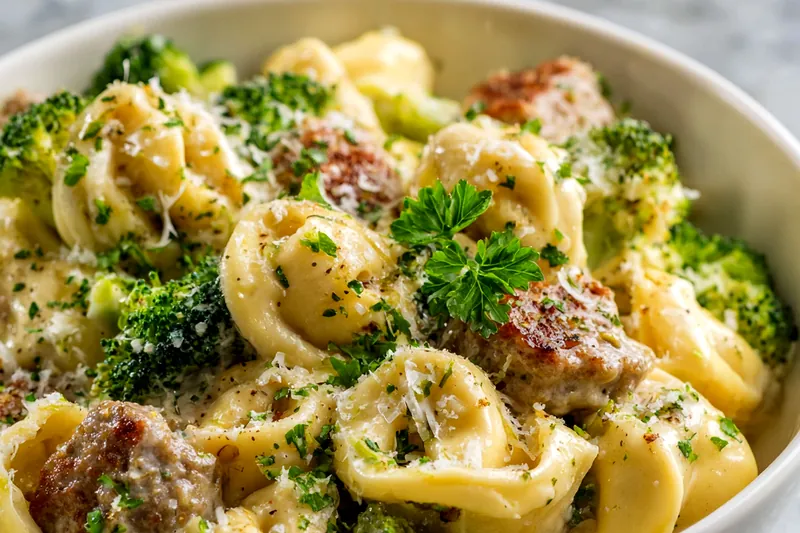
The quality of your Italian sausage makes or breaks this dish. Look for fresh sausage with visible herbs and spices in the meat - this indicates good seasoning and flavor. Mild sausage creates a family-friendly version, while spicy adds a nice kick. If you can only find links, simply remove the casings by slicing one end and squeezing the meat out. Avoid pre-cooked sausage as it won't develop the same caramelized flavor that makes this recipe special.
Fresh broccoli is crucial here. Choose heads with tight, dark green florets and firm stalks with no yellowing. The florets should be about 1-inch pieces so they cook evenly and don't overcrowd the pasta. For the Parmesan, invest in a wedge of Parmigiano-Reggiano and grate it yourself - the pre-grated stuff contains anti-caking agents that prevent smooth melting and create a grainy sauce. Fresh garlic beats jarred every time, providing that aromatic punch that makes Italian cooking irresistible.
Essential Ingredient Notes
- Italian Sausage: Choose fresh sausage with at least 15% fat content for flavor and moisture. The rendered fat contributes to the sauce's richness. If using turkey sausage for a lighter option, add 1 tablespoon of olive oil to compensate for lower fat content.
- Parmesan Cheese: Always use freshly grated Parmigiano-Reggiano or Grana Padano for the smoothest, most flavorful sauce. Let the cheese come to room temperature before adding to prevent clumping. Add it gradually off the heat while stirring constantly for a silky, lump-free texture.
- Heavy Cream: Full-fat heavy cream with at least 36% fat content creates the richest, most stable sauce that won't separate or curdle. Don't bring cream to a rolling boil - gentle simmering is key. Room temperature cream incorporates more smoothly than cold cream straight from the fridge.
Mastering the One-Pot Technique
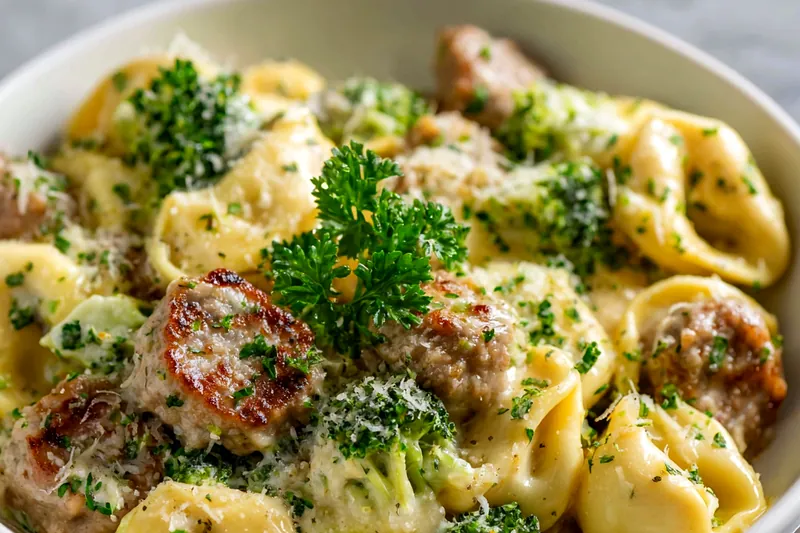
The key to perfect one-pot pasta is controlling your liquid and heat. When you add the broth, make sure it comes to a full boil before adding the pasta - this ensures even cooking from the start. Stir the pasta immediately after adding it to prevent sticking, then reduce to a steady simmer. Too high heat and the bottom will scorch while the top stays soupy; too low and the pasta will turn gummy before the liquid absorbs.
The cream addition is the most delicate step. Always reduce your heat to medium-low before adding cream to prevent it from breaking or curdling. Add the Parmesan cheese gradually, about a quarter cup at a time, stirring constantly in a figure-eight motion. This technique distributes the cheese evenly and prevents clumping. If the sauce looks separated or grainy, remove from heat and whisk in a tablespoon of cold cream - this often brings it back together. The final consistency should coat the back of a spoon but still flow freely, creating a glossy coating on every piece of pasta.
Building Layers of Flavor
Professional chefs know that great pasta dishes develop flavor in stages. First, we brown the sausage to create caramelization. Then we bloom the garlic in the rendered fat to release its aromatic oils. The pasta cooks in seasoned broth, absorbing flavor directly. Finally, the cream and cheese create a cohesive sauce that ties everything together. Each step builds on the previous one, creating complexity that tastes like you've been cooking for hours.
Creamy Sausage Broccoli Pasta
📋 Ingredients
Protein & Pasta
- 1 cup heavy creamMust be at least 36% fat for stability - don't substitute with milk
- 1 cup chicken brothLow-sodium preferred so you can control salt levels
- 1 cup freshly grated Parmesan cheeseGrate from a wedge for smooth melting - no pre-shredded
- 3 cloves garlic, mincedFresh garlic only - use a microplane for finest texture
- 1/2 teaspoon red pepper flakes (optional)Adjust to taste - adds gentle heat without overwhelming
- Salt and black pepper to tasteWait until the end to add salt - sausage and cheese add plenty
Sauce & Seasonings
- 1 pound Italian sausage (mild or spicy)Remove from casings if using links - sweet or hot both work beautifully
- 12 ounces tortellini or short pastaFresh or dried both work - adjust cooking time per package directions
- 3 cups fresh broccoli floretsCut into 1-inch pieces for even cooking - stems can be peeled and sliced too
- 2 tablespoons olive oilExtra virgin adds flavor - use to prevent sticking initially
- Fresh parsley for garnishItalian flat-leaf parsley preferred for authentic flavor and color
Instructions
Brown the Sausage
Heat olive oil in a large skillet or Dutch oven over medium-high heat. Remove sausage from casings if using links, then brown the meat for 5-7 minutes, breaking it into bite-sized pieces with a wooden spoon. Cook until golden brown and cooked through with no pink remaining. Don't rush this step - the caramelization creates deep flavor.
Add Aromatics and Broccoli
Add minced garlic and red pepper flakes to the sausage, cooking for 30 seconds until fragrant but not browned. Add broccoli florets and sauté for 2-3 minutes, stirring frequently, until bright green and slightly tender. The broccoli should still have a crisp bite at this point.
Cook the Pasta
Pour in chicken broth and bring to a rolling boil, scraping up any browned bits from the bottom of the pan. Add pasta and cook according to package directions, stirring occasionally to prevent sticking. The pasta will absorb the flavorful broth as it cooks, becoming infused with sausage and garlic flavors.
Create the Creamy Sauce
Reduce heat to medium-low and stir in heavy cream. Let it simmer gently for 2-3 minutes until slightly thickened, stirring occasionally. Remove from heat and add Parmesan cheese gradually, about 1/4 cup at a time, stirring constantly in a figure-eight motion until melted and silky smooth.
Season and Serve
Return to low heat for 1 minute to warm through, then taste and adjust seasoning with salt and freshly ground black pepper. The sauce should be creamy but flow easily - add a splash of pasta water or broth if too thick. Garnish generously with fresh chopped parsley and extra Parmesan cheese. Serve immediately while hot and creamy.
Recipe Notes & Tips
Storage
Store leftovers in an airtight container in the refrigerator for up to 3 days. The sauce will thicken considerably when cold. Reheat gently on the stovetop over medium-low heat, adding 2-4 tablespoons of cream or broth to restore the creamy consistency. Stir frequently to prevent scorching. Microwave reheating works but may cause the sauce to separate slightly - stir well after heating. This dish does not freeze well as the cream sauce will separate when thawed.
Serving Suggestions
This pasta is a complete meal on its own, but pairs beautifully with a simple arugula salad dressed with lemon vinaigrette to cut through the richness. Serve with crusty garlic bread or Italian bread for soaking up the creamy sauce. For wine pairing, choose a crisp Pinot Grigio, Vermentino, or light Chianti. The dish is best served immediately while the sauce is silky and the pasta is hot, garnished with extra Parmesan and fresh herbs.
Variations
Make it lighter by using turkey sausage and half-and-half instead of heavy cream. Add sun-dried tomatoes, mushrooms, or spinach for extra vegetables. For a spicier version, use hot Italian sausage and increase the red pepper flakes. Try different pasta shapes like orecchiette, rigatoni, or shells. You can also add white wine (1/4 cup) when deglazing the pan for extra depth. For a dairy-free version, use full-fat coconut cream and nutritional yeast instead of Parmesan, though the flavor will be notably different.