Creamy Salmon Florentine Pasta
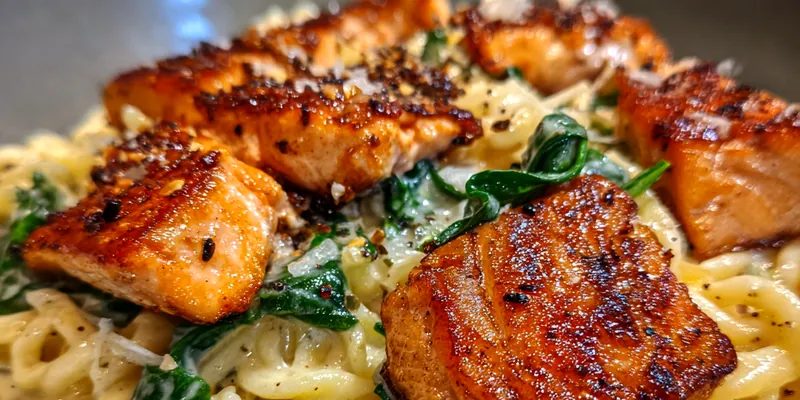
Creamy Salmon Florentine Pasta is a delightful dish that combines the richness of creamy sauce with tender salmon and fresh spinach. This dish is perfect for a cozy dinner at home or impressing guests at a dinner party. The blend of flavors and textures makes it a family favorite. Enjoy this Italian classic that is both satisfying and easy to prepare.

Why This Creamy Salmon Florentine Pasta Recipe Works
This recipe works because it combines high-quality ingredients that complement each other perfectly. The savory salmon pairs beautifully with the creamy sauce, while the spinach adds freshness. Each bite is a harmony of flavors and textures that make it a standout dish for any occasion.
The technique of using fresh ingredients, along with the right cooking times, ensures that the salmon remains tender and the pasta retains its al dente texture. The creamy sauce binds everything together, making each serving rich and satisfying.
💡 Professional Tip
For the best flavor, use fresh salmon and high-quality parmesan cheese. Make sure to sauté the garlic until fragrant, but avoid burning it to keep the sauce smooth. Adjust the seasoning according to your taste for an extra kick.
Frequently Asked Questions
Yes, you can prepare the sauce and cook the pasta ahead of time. Store them separately in airtight containers in the refrigerator. When ready to serve, simply reheat the sauce and combine with the pasta. However, it is best to consume it fresh to maintain the texture of the sauce and pasta.
If you're looking for a substitute for salmon, you can use other types of fish like trout or even chicken for a different flavor. Tofu or chickpeas can be great vegetarian alternatives, providing protein while keeping the dish rich and creamy.
The dish is done when the pasta is al dente and the sauce is heated through. The salmon should be opaque and easily flake with a fork. Be sure to taste and adjust the seasoning before serving.
While freezing isn't ideal due to the creamy texture, you can freeze the sauce separately. Thaw it in the refrigerator and reheat before combining with freshly cooked pasta. This method preserves the best quality of the dish.
This dish pairs wonderfully with a side salad and some crusty bread. A light white wine, such as Pinot Grigio, complements the flavors beautifully. You can also add grated lemon zest for an extra burst of flavor.
When stored properly in an airtight container, Creamy Salmon Florentine Pasta lasts about 2-3 days in the fridge. Be sure to reheat it thoroughly before consuming to ensure food safety.
Yes, you can make the sauce ahead of time and store it in the refrigerator. Cook the pasta fresh when you're ready to serve for the best texture. Combine them just before serving.
The best way to reheat is on the stovetop over low heat. Add a splash of cream or chicken broth to loosen the sauce and stir gently until heated through. Avoid microwaving, as it can make the pasta tough.
Recipe Troubleshooting Guide
Too Dry
Problem: If your pasta seems too dry, it may lack enough sauce.
Solution: Add a little bit of chicken broth or cream to the pasta while tossing to achieve a creamier consistency.
Not Crispy Enough
Problem: Sometimes the salmon doesn't get a nice crisp on the outside.
Solution: Make sure to sear the salmon in a hot pan and avoid overcrowding the skillet to get a good sear.
Overcooked
Problem: If the pasta or salmon is overcooked, it may become mushy.
Prevention: Cook the pasta just until al dente and keep an eye on the salmon to avoid overcooking. Use a timer to help.
Undercooked Center
Problem: If the salmon appears undercooked in the center, it may not be safe to eat.
Recovery: Return the salmon to the skillet and cook for an additional minute or two on low heat until fully cooked through.
Burnt Exterior
Problem: If the salmon skin is burnt, it can affect the flavor.
Prevention: Ensure your heat is medium and not too high. Flip the salmon gently to avoid tearing.
Flavor Balance
Too Sweet: If the dish is too sweet, add a squeeze of lemon juice to brighten it up.
Too Salty: If it's too salty, balance it with a touch of cream or extra vegetables.
Bland: If the flavor is bland, increase the amount of garlic and adjust the seasoning with salt and pepper.
Essential Ingredients for Creamy Salmon Florentine Pasta
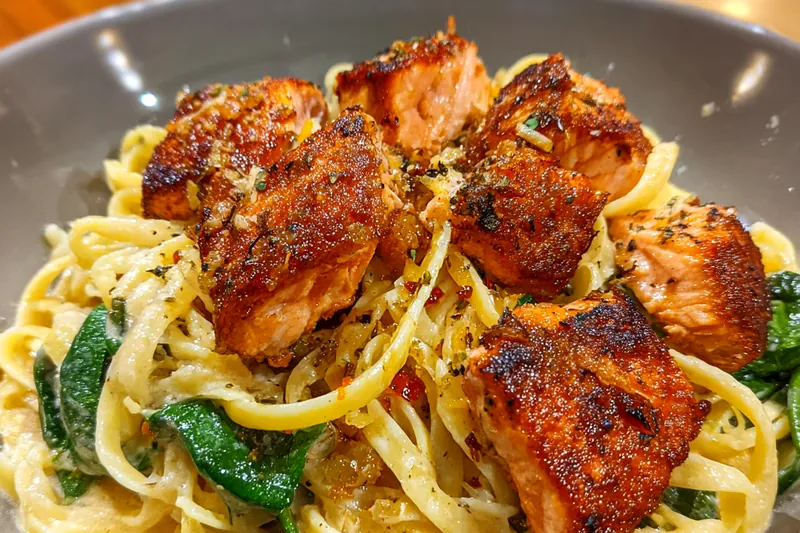
Key ingredients for this dish include fresh salmon, which provides essential omega-3 fatty acids, and crisp spinach that adds a burst of color and nutrition. The creamy sauce made with heavy cream and parmesan cheese ties everything together, creating a luxurious texture.
Always choose high-quality ingredients for the best flavor. Fresh salmon should have a bright color and firm texture, while the spinach should be vibrant and crisp. Using freshly grated parmesan enhances the richness of the sauce compared to pre-grated options.
Essential Ingredient Notes
- Salmon: Opt for wild-caught salmon when possible, as it is more flavorful and sustainable. Look for fillets that are free from dark spots and have a bright orange-pink hue.
- Spinach: Choose fresh spinach leaves that are crisp and vibrant. Avoid any wilted or yellowing leaves for the best taste and nutrition. You can also use baby spinach for a milder flavor.
- Parmesan Cheese: Grate your parmesan cheese fresh for maximum flavor. Aged parmesan adds a deeper, nuttier taste that enhances the sauce beautifully.
Step-by-Step Cooking Process
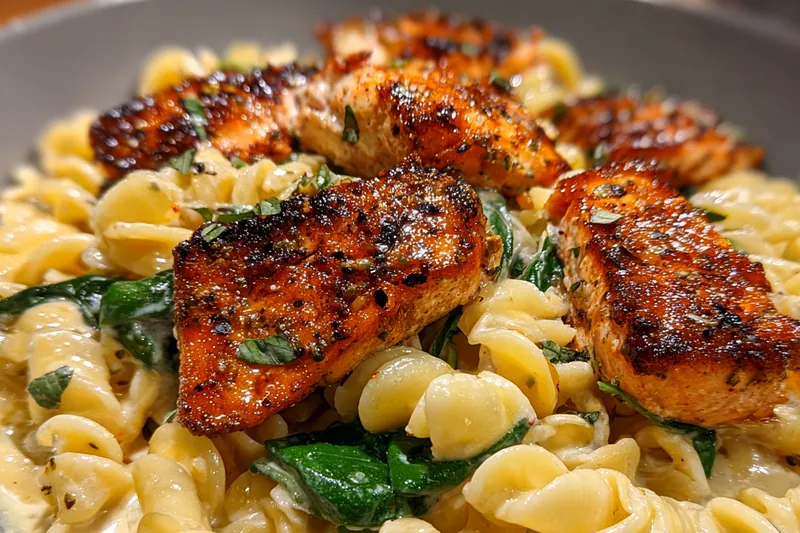
The cooking process for Creamy Salmon Florentine Pasta is straightforward and perfect for home cooks of all levels. Start by boiling the pasta and preparing the salmon, ensuring each component is cooked to perfection. The key is in timing and layering flavors as you build the sauce.
To achieve the best results, avoid rushing the process. Let the sauce simmer gently, allowing the flavors to meld beautifully. The final step of combining the salmon and pasta should be done carefully to maintain the integrity of the salmon pieces.
Key Technique for Perfect Creamy Salmon Florentine Pasta
The crucial technique here is to balance the sauce's creaminess with the freshness of the spinach and flavor from the salmon. Avoid boiling the sauce after adding the cream to prevent it from curdling. Stir gently to maintain a smooth consistency.
Creamy Salmon Florentine Pasta
📋 Ingredients
Main Ingredients
- 1 cup heavy creamFor a rich sauce
- 1 cup parmesan cheeseFreshly grated
- 1 tablespoon olive oilFor sautéing
- 3 cloves garlicMinced
- 1 teaspoon lemon juiceFor brightness
For the Sauce
- 12 oz fettuccine pastaOr pasta of choice
- 1 lb salmon filletsSkinless
- 2 cups fresh spinachRinsed and dried
- 1/2 cup chicken brothLow-sodium recommended
- 1/4 cup onionFinely chopped
Instructions
Cook the Pasta
Bring a large pot of salted water to a boil. Add fettuccine pasta and cook according to package instructions until al dente. Drain and set aside.
Prepare the Salmon
Season salmon fillets with salt and pepper. Heat olive oil in a skillet over medium heat and cook salmon for about 4-5 minutes on each side, or until cooked through. Remove from skillet and flake into pieces.
Sauté the Aromatics
In the same skillet, add onion and garlic. Sauté for 2-3 minutes until fragrant and onion is translucent.
Make the Sauce
Add heavy cream and chicken broth to the skillet. Stir to combine and bring to a simmer. Add parmesan cheese, lemon juice, and red pepper flakes, stirring until smooth.
Add Spinach
Add fresh spinach to the sauce and cook until wilted, about 2-3 minutes.
Combine Pasta and Salmon
Add cooked fettuccine and flaked salmon to the sauce. Toss gently to combine and heat through.
Serve
Garnish with fresh parsley and serve hot.
Recipe Notes & Tips
Storage Tips
To store Creamy Salmon Florentine Pasta, allow it to cool completely before transferring it to an airtight container. Store in the refrigerator for up to 3 days. Reheat gently on the stovetop, adding a splash of cream if needed.
Serving Suggestions
Serve Creamy Salmon Florentine Pasta with a light salad and crusty bread to soak up the sauce. A glass of white wine, such as Chardonnay, pairs nicely with the flavors of the dish.
Recipe Variations
Feel free to customize this recipe by adding other vegetables like cherry tomatoes or asparagus. You can also substitute the salmon with shrimp or chicken for a different twist.