Creamy Garlic Parmesan Pasta
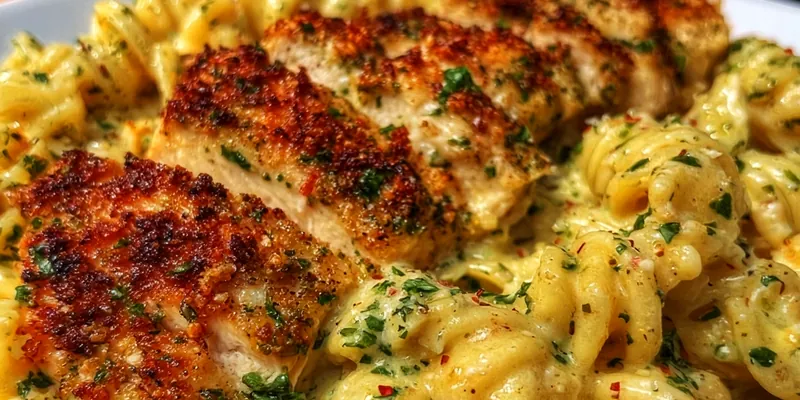
This Creamy Garlic Parmesan Pasta is the ultimate comfort food that tastes like it came straight from an Italian restaurant kitchen. With a silky, luxurious cream sauce infused with aromatic garlic and nutty Parmesan cheese, every bite is pure indulgence. Best of all, this restaurant-quality dish comes together in just 25 minutes, making it perfect for busy weeknights when you're craving something special without the fuss.

Why This Creamy Pasta Recipe Works
The magic of this recipe lies in its simplicity and the quality of just a few key ingredients. Unlike jarred Alfredo sauces that can be gummy or artificial-tasting, this homemade cream sauce achieves a silky, restaurant-quality texture by building the sauce directly in the pan where the garlic has been gently cooked. The butter and olive oil create a flavorful base, while the heavy cream provides richness without being overly heavy. The real star is the Parmesan cheese, which melts into the warm cream to create that characteristic nutty, savory flavor that makes this pasta absolutely irresistible.
The technique of reserving pasta water is crucial to achieving the perfect consistency. Pasta water contains starches released during cooking, which act as a natural emulsifier to help the sauce cling beautifully to every piece of penne. If your sauce becomes too thick or seems to separate, a splash of this starchy water brings it back together into a cohesive, glossy coating. This is an authentic Italian technique that transforms a good pasta dish into an exceptional one. The al dente texture of the pasta also matters—it should have a slight bite to contrast with the smooth, luxurious sauce.
💡 Professional Tip
Always remove the pan from heat before adding the Parmesan cheese. If the heat is too high, the cheese can become grainy or stringy instead of melting smoothly into the cream. Let the residual heat do the work for a perfectly silky sauce every time.
Frequently Asked Questions
While this pasta is best enjoyed fresh, you can prepare it up to 2 hours ahead and keep it warm. Store the sauced pasta in a covered pot over the lowest heat setting, stirring occasionally and adding splashes of pasta water or cream to maintain the consistency. For longer storage, refrigerate for up to 3 days, but note that cream sauces can separate when reheated. To reheat, add the pasta to a skillet with a few tablespoons of cream or milk over low heat, stirring gently until warmed through and creamy again.
You can use half-and-half for a lighter version, though the sauce won't be quite as rich and may be slightly thinner. If using half-and-half, you may want to add an extra tablespoon of butter and simmer the sauce a bit longer to thicken it. Milk alone won't work well as it's too thin and doesn't have enough fat to create the proper creamy texture. For a dairy-free version, full-fat coconut cream or cashew cream can work, though the flavor will be different. Avoid using Greek yogurt or sour cream as they can curdle when heated.
Penne is ideal because its tubular shape and ridged texture trap the creamy sauce perfectly, ensuring every bite is flavorful. Other excellent options include rigatoni, cavatappi, farfalle (bow ties), or fusilli. Short pasta shapes with texture work better than long, smooth pastas like spaghetti for cream-based sauces. If you prefer long pasta, fettuccine or linguine are your best bets. Just make sure to cook the pasta al dente—it should be tender but still have a slight firmness when you bite into it.
Yes, freshly grated Parmesan cheese is absolutely essential for this recipe. Pre-grated Parmesan from a container contains anti-caking agents like cellulose that prevent it from melting smoothly into the sauce, resulting in a grainy texture. Buy a wedge of genuine Parmigiano-Reggiano and grate it yourself using a microplane or box grater just before cooking. The flavor is incomparably better—nutty, complex, and savory—and it melts beautifully into the cream. This small investment makes a huge difference in the final dish.
The sauce is ready when it coats the back of a spoon and has thickened enough to cling to the pasta without being gummy or heavy. It should have a pourable consistency similar to thin pancake batter, not be as thick as pudding. When you drag a spoon through the sauce, it should leave a trail that slowly closes back up. Remember that the sauce will continue to thicken slightly after you add the cheese and as it sits, so err on the side of slightly thinner. You can always reduce it more, but you can't un-thicken it without adding more liquid.
This rich, creamy pasta pairs beautifully with light, fresh sides that provide contrast. A crisp Caesar salad with crunchy romaine and tangy dressing cuts through the richness perfectly. Garlic bread or a crusty baguette is ideal for soaking up any extra sauce. For vegetables, try roasted asparagus, sautéed broccolini, or a simple arugula salad with lemon vinaigrette. If you want to add protein, grilled chicken, sautéed shrimp, or pan-seared salmon complement the garlic and cream flavors wonderfully without overwhelming the dish.
Absolutely! This pasta is a versatile base for countless additions. For vegetables, try adding sautéed mushrooms, sun-dried tomatoes, spinach, roasted cherry tomatoes, or steamed broccoli florets. Add them to the pan after the sauce is made, just before tossing with the pasta. For protein, grilled chicken breast (sliced), cooked Italian sausage (crumbled), sautéed shrimp, or crispy pancetta all work wonderfully. Cook proteins separately and add them at the end to maintain their texture. Each addition transforms this into a complete one-dish meal.
Store leftover pasta in an airtight container in the refrigerator for up to 3 days. The cream sauce may appear separated or thickened when cold—this is normal. To reheat, place the pasta in a skillet over medium-low heat with 2-3 tablespoons of heavy cream, milk, or pasta water per serving. Stir gently and frequently until heated through and the sauce becomes creamy again, about 5-7 minutes. Avoid using the microwave if possible, as it can make the pasta rubbery and the sauce grainy. If you must microwave, use 50% power and stir every 30 seconds, adding a splash of liquid to restore creaminess.
Recipe Troubleshooting Guide
Sauce Is Too Thin
Problem: The cream sauce remains watery and won't coat the pasta properly, running off instead of clinging to the noodles.
Solution: Continue simmering the sauce over medium-low heat for 2-3 more minutes to reduce and thicken it. Make sure you're using heavy cream (not half-and-half or milk). When you add the Parmesan cheese, it will also help thicken the sauce. If it's still too thin, create a slurry by mixing 1 teaspoon of cornstarch with 2 tablespoons of cold pasta water, then stir it into the sauce and simmer for 1 minute until thickened.
Sauce Is Too Thick or Clumpy
Problem: The sauce has become paste-like, gummy, or has visible clumps of cheese that won't melt smoothly.
Solution: Remove the pan from heat immediately and whisk in reserved pasta water, 1-2 tablespoons at a time, until the sauce reaches the desired consistency. The starchy pasta water will help emulsify the sauce and restore its silky texture. If you've already added cheese and it's clumpy, the heat may have been too high—reduce the heat to low and whisk vigorously while adding pasta water. For prevention, always remove the pan from heat before adding cheese.
Garlic Burned
Problem: The minced garlic has turned dark brown or black, creating a bitter, acrid taste that permeates the entire sauce.
Prevention: Unfortunately, burned garlic cannot be salvaged as the bitter flavor will ruin the dish. Start over by cleaning the pan, melting fresh butter and oil, and cooking new minced garlic over medium (not medium-high) heat for only 1-2 minutes, stirring constantly. Garlic burns quickly, so watch it carefully and add the cream as soon as it becomes fragrant and lightly golden. If you're nervous about burning garlic, you can use medium-low heat and be patient—better slow than burned.
Pasta and Sauce Won't Combine
Problem: The sauce slides off the pasta instead of coating it, leaving you with a pool of cream at the bottom of the bowl.
Recovery: This happens when the pasta is too wet or the sauce is too thin. First, make sure you properly drained the pasta (but didn't rinse it—you need the surface starch). Add the pasta to the sauce in the pan and toss vigorously over low heat for 1-2 minutes, allowing the sauce to cling to the warm pasta. Add reserved pasta water gradually while tossing—the starches help bind the sauce to the noodles. The key is tossing the pasta with the sauce in the pan, not just pouring sauce over already-plated pasta.
Sauce Separated or Looks Oily
Problem: The sauce has broken, with visible pools of oil or butter floating on top, and looks curdled or separated rather than smooth and creamy.
Prevention: Remove the pan from heat immediately. Add 2-3 tablespoons of reserved pasta water and whisk vigorously to re-emulsify the sauce. The starch in the pasta water acts as a stabilizer. If this doesn't work, add 1-2 tablespoons of cold cream and whisk until smooth. To prevent separation, maintain medium-low heat throughout cooking—high heat can cause the fats to separate from the cream. Also ensure you're not boiling the sauce rapidly; it should only gently simmer.
Flavor Balance Issues
Too Sweet: If the cream tastes too sweet or bland, add a pinch more salt, an extra clove of minced garlic sautéed in the sauce, or a squeeze of fresh lemon juice to brighten the flavors. More Parmesan cheese will also add savory depth.
Too Salty: If too salty, don't add more salt to the pasta water next time, and reduce the Parmesan initially added. To fix an already-salty sauce, add more unsalted cream or a splash of unsalted chicken broth to dilute the saltiness, then adjust other seasonings.
Bland: Bland sauce needs more seasoning. Add additional salt, freshly ground black pepper, more garlic (sauté fresh minced garlic in a bit of butter then stir into sauce), extra Parmesan, and red pepper flakes for heat. A small squeeze of lemon juice can also brighten all the flavors.
Choosing the Right Ingredients
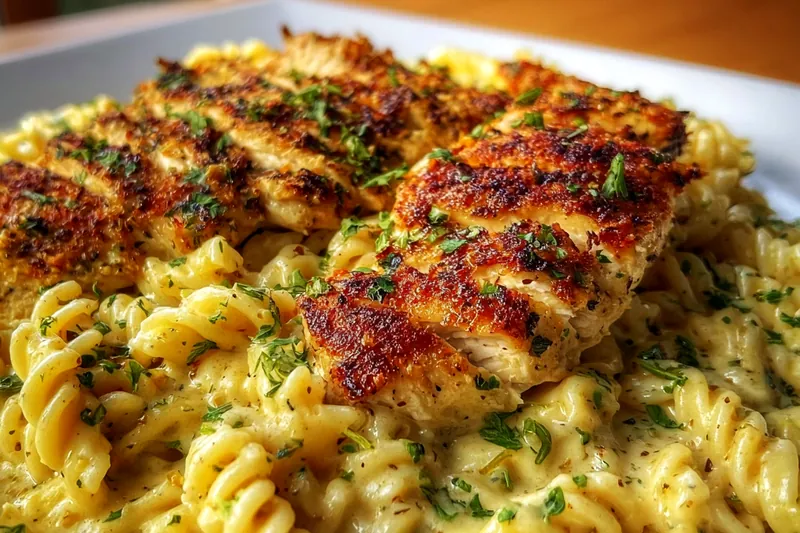
The quality of your ingredients directly impacts the final flavor of this simple pasta dish. Since there are so few components, each one needs to shine. Start with genuine Parmigiano-Reggiano cheese—look for the distinctive pin-dot pattern stamped on the rind and buy it in a wedge rather than pre-grated. The nutty, complex flavor of real Parmesan cannot be replicated by domestic substitutes or pre-shredded versions. For the cream, use heavy whipping cream with at least 36% milk fat for the richest, smoothest sauce that won't curdle or separate during cooking.
Fresh garlic is non-negotiable in this recipe. The pungent, aromatic quality of freshly minced garlic cloves creates the foundational flavor that makes this pasta so memorable. Pre-minced garlic from a jar simply can't compete and often has a harsh, metallic taste. For the pasta itself, choose a high-quality bronze-cut Italian pasta if possible—the slightly rough texture helps the sauce adhere better than smooth, Teflon-extruded pastas. Barilla, De Cecco, or Garofalo are excellent mid-range brands that deliver consistent results every time.
Essential Ingredient Notes
- Heavy Cream: Use heavy whipping cream with 36-40% milk fat for the richest sauce. Don't substitute with milk or half-and-half as they're too thin and lack the fat content needed for a luxurious texture. Full-fat cream won't curdle when simmered and creates that signature velvety coating. Let it come to room temperature before cooking for even smoother results.
- Parmesan Cheese: Buy Parmigiano-Reggiano in a wedge and grate it fresh just before cooking. Look for the pin-dot pattern on the rind to ensure authenticity. Store the wedge wrapped in parchment or wax paper in the refrigerator. Freshly grated cheese melts smoothly into the sauce, while pre-grated versions contain anti-caking agents that make the sauce grainy. Use a microplane for the finest texture.
- Fresh Garlic: Mince the garlic finely so it distributes evenly throughout the sauce. Fresh garlic cloves should be firm and plump, not dried out or sprouting. For the mildest flavor, remove the green germ from the center of each clove. To mince evenly, first smash the cloves with the side of your knife, then chop finely. The finer the mince, the more evenly the garlic flavor will infuse the cream.
Mastering the Technique
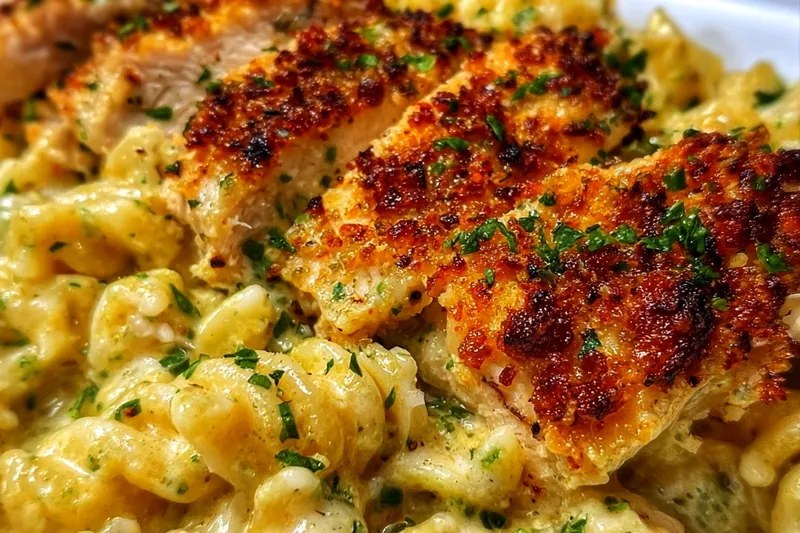
The key to perfect creamy pasta is understanding heat control and timing. When sautéing garlic, medium heat is your friend—hot enough to release the aromatic oils but gentle enough to prevent burning. Garlic can go from perfectly golden to burnt and bitter in seconds, so stir constantly and watch carefully. Once you add the cream, resist the urge to crank up the heat. A gentle simmer, not a rolling boil, allows the cream to thicken naturally without breaking or curdling. The sauce should have small bubbles around the edges, not large bubbles throughout.
The pasta water is your secret weapon for achieving restaurant-quality texture. This starchy liquid is a natural emulsifier that helps marry the sauce to the pasta and adjusts consistency without diluting flavor. Add it gradually, a few tablespoons at a time, tossing the pasta in the sauce as you go. The dish should look glossy and cohesive, with the sauce clinging to every piece of pasta rather than pooling at the bottom. Finally, serve immediately while the pasta is hot and the sauce is at its silkiest—cream sauces lose their luscious texture as they cool.
The Pasta Water Secret
Reserved pasta water is liquid gold in Italian cooking. As pasta cooks, it releases starches into the boiling water, creating a natural thickening and binding agent. When you add this starchy water to your cream sauce, it helps emulsify the fats and creates a cohesive, glossy coating that clings to the pasta. Always reserve at least one cup before draining, and add it gradually to adjust the sauce consistency. This technique is what separates home cooking from restaurant-quality pasta dishes.
Creamy Garlic Parmesan Pasta
📋 Ingredients
Sauce Base
- 2 cups heavy creamUse heavy whipping cream with 36-40% milk fat for richest texture. Let come to room temperature for smoother sauce.
- 6 cloves garlic, mincedFresh garlic only! Mince finely for even distribution. Remove green germ from center for milder flavor.
- 1 cup freshly grated Parmesan cheeseMust be freshly grated Parmigiano-Reggiano. Pre-grated won't melt smoothly. Grate using microplane or fine grater.
- 3 tablespoons unsalted butterAdds richness and helps carry the garlic flavor. European-style butter with higher fat content works beautifully.
- 2 tablespoons olive oilExtra virgin olive oil adds fruity notes. Combined with butter, it prevents butter from burning during garlic sauté.
- 1/2 cup reserved pasta waterStarchy pasta cooking water is essential for adjusting consistency and helping sauce cling to pasta. Always reserve before draining!
Pasta & Toppings
- 1 pound penne pastaBronze-cut Italian pasta grabs sauce better. Penne's ridges and tubes trap the creamy sauce perfectly. Cook al dente.
- 1/4 cup fresh parsley or basil, choppedFresh herbs add brightness and color. Parsley is traditional; basil adds sweet, aromatic notes. Chop just before serving.
- 1 teaspoon red pepper flakesAdds gentle heat that balances the richness. Adjust amount based on spice preference. Toasting briefly intensifies flavor.
- 1 teaspoon saltFor pasta water and sauce. Taste before adding all—Parmesan is already salty. Use Diamond Crystal kosher salt for best control.
- 1/2 teaspoon freshly ground black pepperFreshly cracked pepper has more flavor than pre-ground. Add both to sauce and sprinkle on top for visual appeal and flavor.
- Extra Parmesan for servingGrate fresh cheese tableside for guests. The added cheese on top provides textural contrast and intensifies the savory flavor.
Instructions
Cook the Pasta
Bring a large pot of salted water to a rolling boil. Add 1 pound of penne pasta and cook according to package directions until al dente, about 11-12 minutes. The pasta should be tender with a slight bite when you taste it. Before draining, use a ladle or measuring cup to reserve 1 full cup of the starchy pasta cooking water—this is crucial for the sauce. Drain the pasta in a colander but do not rinse it (you need the surface starch). Set aside while you prepare the sauce.
Sauté the Garlic
In a large, deep skillet or sauté pan over medium heat, melt 3 tablespoons of unsalted butter with 2 tablespoons of olive oil. Once the butter is melted and the mixture is shimmering, add 6 cloves of minced garlic. Sauté for 1-2 minutes, stirring constantly with a wooden spoon, until the garlic becomes fragrant and just lightly golden. Watch carefully—garlic burns quickly and will turn bitter if overcooked. The moment it smells aromatic and starts to turn golden, move immediately to the next step.
Create the Cream Sauce
Pour 2 cups of heavy cream into the skillet with the garlic butter. Add 1 teaspoon of salt and 1/2 teaspoon of freshly ground black pepper. Stir well to combine all ingredients. Bring the mixture to a gentle simmer, then reduce the heat to medium-low. Let the sauce simmer gently for 3-4 minutes, stirring occasionally, until it begins to thicken slightly and coats the back of a spoon. You should see small bubbles around the edges, not large bubbles throughout. The sauce should be creamy and have reduced by about one-quarter of its original volume.
Add Cheese and Pasta
Remove the skillet from heat—this is important to prevent the cheese from becoming grainy. Stir in 1 cup of freshly grated Parmesan cheese, stirring constantly until it melts completely and the sauce becomes smooth and silky. Add the cooked, drained penne to the sauce. Using tongs or a large spoon, toss the pasta vigorously to coat each piece evenly with the cream sauce. If the sauce seems too thick or isn't coating the pasta well, add reserved pasta water 2-3 tablespoons at a time, tossing after each addition, until you achieve a glossy, cohesive coating that clings to the pasta without being gummy.
Finish and Serve
Stir in half of the chopped fresh parsley or basil, reserving the rest for garnish. Taste and adjust seasoning with additional salt and pepper if needed. Transfer the pasta to a large serving bowl or individual shallow pasta bowls. Top generously with additional freshly grated Parmesan cheese, the remaining fresh herbs, a sprinkle of red pepper flakes for color and gentle heat, and several grinds of freshly cracked black pepper. Serve immediately while hot and at its creamiest. The sauce will thicken as it sits, so don't delay!
Recipe Notes & Tips
Storage
Store leftover pasta in an airtight container in the refrigerator for up to 3 days. The cream sauce will thicken and may separate when cold. To reheat, place in a skillet over medium-low heat with 2-3 tablespoons of heavy cream or milk per serving, stirring gently until heated through and creamy again, about 5-7 minutes. Avoid microwaving if possible as it can make the pasta rubbery.
Serving Suggestions
This rich pasta pairs beautifully with a crisp Caesar salad, garlic bread, or roasted vegetables like asparagus or broccolini. For protein additions, try grilled chicken, sautéed shrimp, or crispy pancetta. A dry white wine like Pinot Grigio or Chardonnay complements the creamy sauce perfectly.
Variations
Make it lighter by substituting half-and-half for heavy cream (sauce will be thinner). Add sun-dried tomatoes, sautéed mushrooms, or baby spinach for extra flavor and nutrition. For a protein-packed version, stir in cooked, shredded chicken or Italian sausage. Swap penne for fettuccine, rigatoni, or cavatappi depending on your preference.