Creamy Chicken Alfredo Baked Pasta
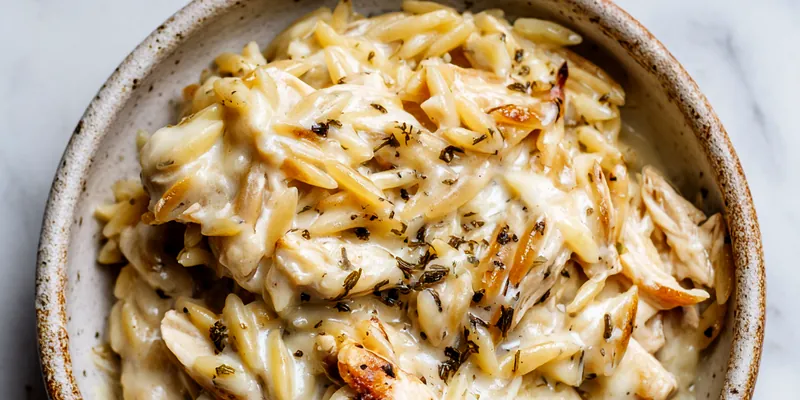
This Creamy Chicken Alfredo Baked Pasta is the ultimate comfort food that brings together tender chicken, perfectly cooked penne, and a luxuriously rich three-cheese alfredo sauce. The dish bakes to golden perfection with a bubbling, cheesy top that creates irresistible cheese pulls with every serving. Perfect for feeding a crowd or meal prepping for the week ahead.

Why This Baked Alfredo Pasta Works
The magic of this recipe lies in the layering of flavors and the technique of undercooking the pasta before baking. By cooking the penne just shy of al dente, it absorbs the creamy sauce during the baking process without becoming mushy or overcooked. This creates that perfect tender-yet-firm texture that makes each bite satisfying. The combination of three different cheeses—Parmesan for depth, mozzarella for stretch, and cream cheese for smoothness—creates a sauce that stays creamy even after reheating.
Baking the assembled pasta serves multiple purposes beyond just heating it through. The high heat caramelizes the cheese on top, creating those coveted crispy, golden edges that add textural contrast to the creamy interior. Meanwhile, the flavors meld together beautifully as the chicken absorbs the sauce and the pasta softens to perfection. The resting time after baking is crucial—it allows the sauce to thicken slightly, making it easier to serve and ensuring every portion holds together beautifully on the plate.
💡 Professional Tip
Always use freshly grated Parmesan cheese from a block rather than pre-grated. The anti-caking agents in pre-shredded cheese prevent smooth melting and can make your sauce grainy. Grating your own takes just minutes and makes a world of difference in texture.
Frequently Asked Questions
Absolutely! Assemble the entire dish up to 24 hours in advance, cover tightly with plastic wrap and refrigerate. When ready to bake, remove from refrigerator 30 minutes before baking to take the chill off, then add 10-15 minutes to the baking time. You can also freeze the unbaked casserole for up to 3 months—thaw overnight in the refrigerator before baking.
Yes! While penne works wonderfully because the sauce gets inside the tubes, you can substitute rigatoni, ziti, rotini, or even farfalle. Avoid long pasta like spaghetti or fettuccine for this baked version as they don't hold the sauce as well. Whatever pasta you choose, make sure to undercook it by 2 minutes from the package directions.
The key is controlling your heat and using quality cheese. Always add cheese over low heat and stir constantly until melted. Never let the sauce boil once cheese is added, as high heat causes the proteins to separate and become grainy. Using block cheese that you grate yourself also prevents graininess since pre-shredded cheese contains anti-caking agents.
Rotisserie chicken is perfect for this recipe and saves time! Simply shred or dice about 3 cups of meat from a store-bought rotisserie chicken. The seasoned flavor actually adds an extra dimension to the dish. You can also use leftover grilled chicken, poached chicken, or even turkey.
The pasta bake is ready when the edges are bubbling vigorously, the top is golden brown with crispy spots, and the internal temperature reaches 165°F. You should see the sauce bubbling up around the edges of the dish. If the top browns too quickly before the center is hot, tent loosely with foil for the last 10 minutes of baking.
This rich, creamy pasta pairs beautifully with a crisp green salad dressed with lemon vinaigrette to cut through the richness. Garlic bread or crusty Italian bread is perfect for soaking up extra sauce. For vegetables, roasted broccoli, sautéed green beans, or roasted asparagus complement the dish nicely without competing with the creamy flavors.
Definitely! Sautéed mushrooms, steamed broccoli florets, fresh spinach, or sun-dried tomatoes all work wonderfully. Add them when you combine the pasta and chicken with the sauce. For heartier vegetables like broccoli, steam them until just tender-crisp before adding. For spinach, stir in fresh leaves—they'll wilt perfectly during baking.
Store leftovers in an airtight container in the refrigerator for up to 4 days. Reheat individual portions in the microwave with a splash of milk to restore creaminess, or reheat the entire dish covered with foil in a 350°F oven for 20-25 minutes. The pasta may absorb some sauce during storage, so adding a few tablespoons of milk or cream when reheating helps maintain the creamy texture.
Recipe Troubleshooting Guide
Sauce Too Thick
Problem: The alfredo sauce becomes too thick and clumpy, making it difficult to coat the pasta evenly.
Solution: Thin the sauce by whisking in additional milk or cream, one tablespoon at a time, until you reach the desired consistency. The sauce should coat the back of a spoon but still be pourable. Remember, it will thicken further during baking, so err on the side of slightly thinner.
Dry Baked Pasta
Problem: After baking, the pasta seems dry rather than creamy and saucy.
Solution: This usually means the sauce was too thick before baking or the pasta was overcooked initially. Next time, make the sauce slightly thinner and ensure pasta is very al dente. To fix dry baked pasta, drizzle ¼ cup of cream or milk over the top, cover with foil, and bake an additional 10 minutes to allow the liquid to absorb.
Cheese Not Melting Properly
Problem: The cheese on top or in the sauce remains clumpy or grainy instead of melting smoothly.
Prevention: Always use freshly grated cheese and add it over low heat. If using pre-shredded cheese, toss it with a teaspoon of cornstarch before adding to help it melt smoothly. For the topping, make sure cheese is distributed evenly and not piled too thickly in spots—thin, even coverage melts better.
Burnt Top Before Center Heats
Problem: The cheese on top browns or burns before the center of the casserole is fully heated through.
Recovery: Cover the dish loosely with aluminum foil for the first 15-20 minutes of baking, then remove foil for the final 10-15 minutes to achieve golden browning. If making ahead from refrigerator temperature, allow the dish to sit at room temperature for 30 minutes before baking, or increase total baking time and use the foil method.
Watery Sauce After Baking
Problem: The sauce is thin and watery rather than thick and creamy after baking.
Prevention: This can happen if the pasta wasn't drained thoroughly or if too much liquid was added. Make sure to shake excess water from pasta after draining. If your sauce is watery before baking, simmer it a few minutes longer to thicken, or whisk in an additional tablespoon of flour mixed with a tablespoon of softened butter. Always let the baked dish rest 5 minutes before serving—this allows the sauce to thicken.
Flavor Balance Issues
Too Sweet: If the sauce tastes unexpectedly sweet, it likely came from pre-shredded cheese with added starches. Balance it by adding an extra pinch of salt and a squeeze of fresh lemon juice to brighten the flavors.
Too Salty: If too salty, add a splash of heavy cream and a pinch of sugar to balance the flavors. You can also add more unsalted cooked pasta to dilute the saltiness throughout the dish.
Bland: Bland sauce needs layers of seasoning. Add more garlic, increase Italian seasoning, add a pinch of red pepper flakes for depth, and finish with freshly cracked black pepper. Don't forget the nutmeg—it enhances the cheese flavor significantly.
Selecting Quality Ingredients for Best Results
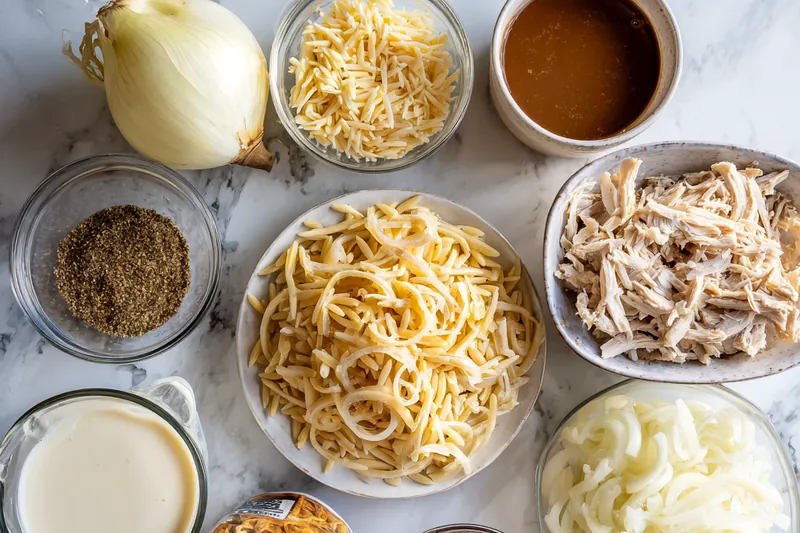
The quality of your ingredients directly impacts the final dish, especially in a recipe this simple and cheese-forward. Choose chicken breasts that are uniform in size for even cooking—if you're cooking them specifically for this recipe, poaching or baking yields the most tender results. For the pasta, bronze-cut varieties have a rougher surface that helps sauce cling better than smooth, Teflon-cut pasta. Look for imported Italian pasta if possible, as it tends to hold its texture better during the double cooking process of boiling and baking.
Cheese selection is where this dish truly shines or falls flat. Always buy Parmesan in a block and grate it yourself using the small holes of a box grater or a microplane. The difference in melting quality and flavor intensity is dramatic. For mozzarella, whole-milk varieties provide the best stretch and flavor—part-skim works but won't be quite as rich. Low-moisture mozzarella is preferable for baking as it browns beautifully without releasing excess water. The cream cheese should be full-fat and brought to room temperature before adding to ensure smooth incorporation without lumps.
Essential Ingredient Notes
- Parmesan Cheese: Use Parmigiano-Reggiano aged at least 12 months for the most complex, nutty flavor. The longer aging creates more flavor crystals and a better melting texture. Avoid the green can completely—it contains cellulose and doesn't melt properly. Grate it fresh just before using for maximum flavor and smooth melting.
- Heavy Cream: Look for cream with at least 36% butterfat content for the richest sauce that won't break during baking. Organic or grass-fed cream has a naturally sweeter, more complex flavor. Don't substitute half-and-half or light cream—they don't have enough fat to create the luxurious texture this dish needs.
- Garlic: Fresh garlic cloves are essential—jarred minced garlic has a tinny, harsh flavor that becomes more pronounced during cooking. Choose firm bulbs with tight, papery skin. Mince the garlic finely so it distributes evenly throughout the sauce. For a mellower garlic flavor, slice the cloves instead of mincing them, then remove before adding the cheese.
Mastering the Baking Technique
The success of this baked pasta relies heavily on proper technique rather than just throwing everything together. The roux method—cooking butter and flour before adding liquid—creates a stable base that prevents the sauce from separating during the high heat of baking. When whisking in the milk and cream, add it gradually while whisking constantly to prevent lumps. The sauce should be simmered gently until it coats the back of a spoon thickly enough that you can draw a line through it with your finger. This thickness is crucial because the pasta will absorb liquid during baking.
Baking temperature and timing require attention to detail. A 375°F oven is hot enough to bubble the sauce and melt the cheese thoroughly while creating that golden-brown top, but not so hot that it dries out the pasta or causes the dairy to separate. The dish is perfectly done when you see vigorous bubbling around the edges and the cheese on top has melted completely with golden-brown spots forming. Those five minutes of resting time after removing from the oven aren't optional—they allow the sauce to set slightly, making the pasta much easier to serve in neat portions rather than a soupy mess. The internal temperature should reach 165°F for food safety and optimal texture.
The Perfect Cheese Pull
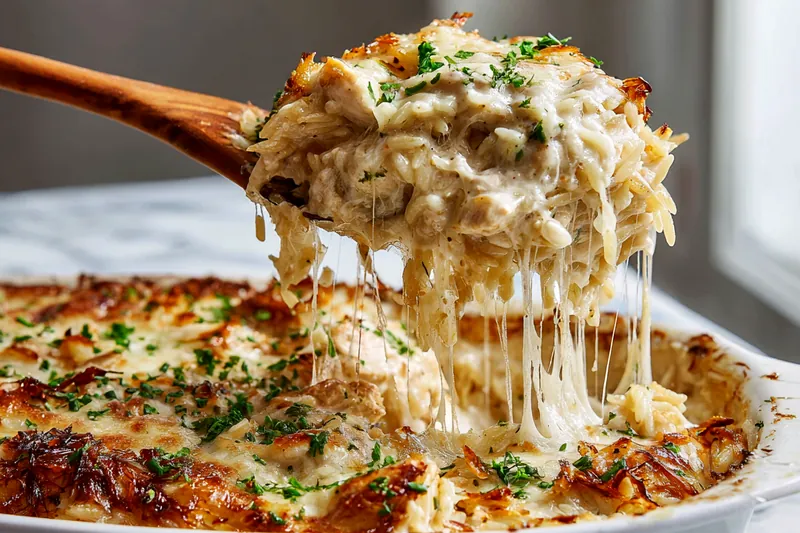
Achieving those Instagram-worthy cheese pulls requires strategic cheese placement. Layer half the mozzarella into the sauce itself, which creates internal stretch, then top with the remaining cheese. Use low-moisture, whole-milk mozzarella for the best pull. Right after removing from the oven, while everything is still piping hot, use a large serving spoon to scoop from the bottom up, lifting slowly to maximize the cheese stretch. The combination of hot sauce and properly melted cheese creates those dramatic, stretchy strands that make this dish so visually appealing.
Creamy Chicken Alfredo Baked Pasta
📋 Ingredients
Sauce Ingredients
- 3 tablespoons butterUnsalted preferred for better flavor control
- 4 cloves garlic, mincedFresh garlic only, not jarred
- 3 tablespoons all-purpose flourCreates the roux base for thickness
- 2 cups whole milkDon't substitute low-fat milk
- 1 cup heavy cream36% butterfat for richest results
- 1½ cups Parmesan cheese, freshly gratedGrate from block for smooth melting
- 2 cups mozzarella cheese, shredded (divided)Low-moisture, whole-milk variety
- ½ cup cream cheese, softenedRoom temperature blends smoothly
- 1 teaspoon Italian seasoningOr mix of basil, oregano, and thyme
- ½ teaspoon black pepperFreshly ground for best flavor
- ¼ teaspoon nutmegSecret ingredient that enhances cheese
Main Ingredients
- 1 pound penne pastaBronze-cut holds sauce better
- 3 cups cooked chicken breast, dicedRotisserie chicken works perfectly
- Fresh parsley for garnishAdds color and fresh flavor
Instructions
Cook Pasta and Prep
Preheat oven to 375°F. Bring a large pot of salted water to a rolling boil. Add penne pasta and cook until al dente, about 2 minutes less than package directions indicate—this is crucial as the pasta will continue cooking during baking. Drain thoroughly in a colander, shaking to remove excess water, and set aside. Grease a 9x13-inch baking dish with butter or cooking spray.
Make Alfredo Sauce
In a large, deep skillet over medium heat, melt the butter until it begins to foam. Add the minced garlic and sauté for about 1 minute, stirring constantly until fragrant but not browned. Sprinkle the flour over the butter and garlic, whisking immediately to form a smooth paste. Cook this roux for 2 minutes, whisking constantly—it should be golden but not brown. Gradually pour in the milk and cream in a steady stream while whisking vigorously to prevent lumps. Continue cooking and whisking until the sauce thickens enough to coat the back of a spoon, approximately 5-7 minutes.
Add Cheeses and Season
Reduce the heat to low to prevent the cheese from becoming grainy. Add the softened cream cheese in pieces, stirring until completely melted and incorporated into the sauce. Next, add the freshly grated Parmesan cheese and 1 cup of the shredded mozzarella, stirring continuously until both cheeses are fully melted and the sauce is silky smooth. Season with Italian seasoning, black pepper, and nutmeg. Taste the sauce and adjust seasoning as needed—remember that the chicken and pasta will dilute the flavor slightly, so the sauce should taste well-seasoned on its own.
Combine and Bake
Add the cooked penne pasta and diced chicken to the skillet with the alfredo sauce. Using a large spoon or tongs, toss everything together until the pasta and chicken are completely coated in the creamy sauce. Transfer the mixture to your prepared 9x13-inch baking dish, spreading it evenly. Sprinkle the remaining 1 cup of mozzarella cheese evenly over the top. Bake in the preheated oven for 25-30 minutes, until the sauce is bubbling vigorously around the edges and the cheese on top is melted and golden brown with some darker spots. Remove from oven and let rest for 5 minutes before serving. Garnish with freshly chopped parsley and serve hot.
Recipe Notes & Tips
Storage
Store leftovers in an airtight container in the refrigerator for up to 4 days. Reheat individual portions in the microwave at 50% power with a splash of milk to restore creaminess, or reheat the entire dish covered with foil in a 350°F oven for 20-25 minutes. For longer storage, freeze the unbaked casserole for up to 3 months—thaw completely in the refrigerator overnight before baking, adding 10-15 minutes to the baking time.
Serving Suggestions
Serve this rich, creamy pasta alongside a crisp Caesar salad or mixed greens with lemon vinaigrette to balance the richness. Garlic bread or crusty Italian bread is perfect for soaking up extra sauce. For a complete meal, add roasted vegetables like broccoli, asparagus, or Brussels sprouts. This dish pairs beautifully with a crisp white wine like Pinot Grigio or Chardonnay.
Variations
Make it your own by adding sautéed mushrooms, sun-dried tomatoes, or fresh spinach. For a seafood twist, replace chicken with cooked shrimp. Add crumbled bacon on top for extra richness. For a lighter version, substitute half the heavy cream with additional milk and reduce the cream cheese to ¼ cup. You can also add a pinch of red pepper flakes for a subtle kick, or stir in ½ cup frozen peas during the last 10 minutes of baking for added color and nutrition.