Classic Spritz Cookies
These Classic Spritz Cookies are the quintessential holiday treat that brings back memories of festive gatherings and cozy winter evenings. With their delicate, buttery texture and beautiful pressed shapes, they're as delightful to make as they are to eat. The secret to perfect spritz cookies lies in the quality of butter and the proper consistency of the dough.


The Art of Perfect Spritz Cookies
Spritz cookies originated in Scandinavia and Germany, where they've been a holiday staple for centuries. The name comes from the German word 'spritzen,' meaning to squirt, which perfectly describes how the dough is pressed through the cookie press. These delicate cookies require just the right dough consistency - soft enough to press easily but firm enough to hold their beautiful shapes. The key is achieving that perfect balance of butter to flour.
What makes spritz cookies truly special is their melt-in-your-mouth texture. Unlike rolled cookies that can become tough from overworking, spritz cookies maintain their tender crumb because the dough is only mixed until combined. The high butter content creates that signature rich flavor and delicate texture that distinguishes them from other holiday cookies. When done correctly, they should be crisp on the outside while remaining tender inside.
💡 Professional Tip
Always use room temperature butter that's softened but not melted - it should leave a slight indent when pressed but still hold its shape. This ensures the dough will press cleanly through the cookie press and maintain defined shapes during baking.
Frequently Asked Questions
Yes! The dough can be made up to 2 days ahead and refrigerated. Let it sit at room temperature for about 15 minutes before using to soften slightly for easier pressing. Baked cookies store beautifully in airtight containers for up to 2 weeks, or freeze them for up to 3 months.
While a cookie press is traditional and gives the signature shapes, you can pipe the dough through a decorating bag fitted with a large star tip, or roll the dough into small balls and flatten with a fork. The texture will be the same, though you'll lose the distinctive pressed designs.
Dough that's too cold will be difficult to press. Conversely, dough that's too warm or has too much liquid will spread and lose its shape. The butter should be softened to about 65-68°F. If your dough is too stiff, let it warm up slightly. If it's too soft, chill it for 10-15 minutes.
While you technically can, I strongly recommend against it. Butter provides the rich flavor and proper texture that define spritz cookies. Margarine has different melting properties and water content, which will affect both taste and consistency. If you must substitute, use a high-quality European-style butter substitute.
Spritz cookies should be set but barely colored when done. Look for cookies that are firm to the touch with just the slightest golden tint on the bottom edges. They'll continue to firm up as they cool. Overbaking will make them dry and crumbly rather than tender.
These pair beautifully with hot chocolate, coffee, or tea. They're perfect for holiday cookie platters alongside gingerbread, sugar cookies, and chocolate treats. For an elegant dessert, serve with vanilla ice cream or alongside fruit compote. They also make wonderful edible gifts when packaged in decorative tins.
Absolutely! While vanilla and almond are traditional, you can experiment with lemon zest, orange extract, peppermint extract, or even a tablespoon of cocoa powder. Just maintain the same proportions of wet to dry ingredients. For chocolate spritz, replace 1/4 cup flour with cocoa powder.
Store completely cooled cookies in an airtight container with parchment paper between layers to prevent sticking. Keep at room temperature for up to 2 weeks. For longer storage, freeze in freezer-safe containers for up to 3 months. Thaw at room temperature for 30 minutes before serving.
Recipe Troubleshooting Guide
Cookies Spreading Too Much
Problem: Your beautifully pressed shapes are melting into flat puddles during baking.
Solution: This usually means your dough is too warm or your butter was too soft when mixing. Chill the dough for 15-20 minutes before pressing. Also ensure your butter is softened but not melted - it should be around 65°F. Using cold baking sheets can also help maintain shape.
Dough Won't Press Through
Problem: The cookie press is jammed and the dough won't come out cleanly.
Solution: This indicates dough that's too cold or too stiff. Let the dough sit at room temperature for 10-15 minutes to warm up slightly. Make sure there are no air pockets when loading the press. If still too stiff, you may need to add 1-2 teaspoons of milk to soften it slightly.
Cookies Too Crumbly
Problem: Baked cookies fall apart easily and have a dry, sandy texture.
Prevention: This results from overbaking or too much flour. Reduce baking time by 1-2 minutes and watch carefully. When measuring flour, spoon it into the measuring cup and level off rather than scooping directly from the bag, which packs in extra flour.
Decorations Won't Stick
Problem: Sprinkles and colored sugars are falling off the cookies.
Recovery: Decorations must be applied immediately after pressing, before any crust forms on the dough surface. Gently press them into the dough with your fingertip. Never try to decorate after baking - they won't adhere properly.
Inconsistent Cookie Shapes
Problem: Some cookies are perfect while others are misshapen or incomplete.
Prevention: This often happens from improper loading of the cookie press. Make sure dough is packed tightly without air pockets. Press firmly and evenly onto the baking sheet, keeping the press perpendicular to the surface. Practice consistent pressure and motion for uniform results.
Flavor Balance Issues
Too Sweet: If cookies taste too sweet, reduce sugar by 2 tablespoons and add a pinch more salt to balance flavors.
Too Salty: If cookies taste too salty, reduce salt to 1/8 teaspoon and increase vanilla extract slightly to enhance sweetness perception.
Bland: If cookies lack flavor, increase vanilla to 1.5 teaspoons and almond extract to 1/2 teaspoon. Using high-quality European butter also dramatically improves flavor.
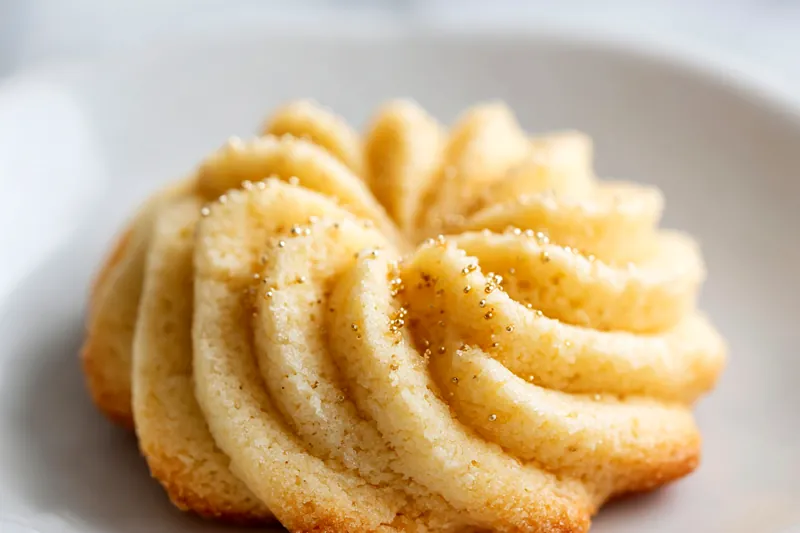
Choosing Quality Ingredients for Superior Results
The simplicity of spritz cookies means each ingredient plays a crucial role in the final result. Butter is the star here, making up nearly half the recipe by volume. Choose unsalted European-style butter with higher fat content for richer flavor and better texture. The butter must be properly softened - not melted, not cold - to create the right dough consistency. Room temperature typically means 65-68°F, where the butter gives slightly when pressed but still holds its shape.
All-purpose flour provides the structure, but be careful not to overmeasure. Too much flour creates dry, crumbly cookies, while too little causes excessive spreading. The egg should be at room temperature to blend smoothly with the butter without causing the mixture to seize. For extracts, always choose pure vanilla and almond rather than imitation - the difference in flavor is remarkable. Quality food coloring gel works better than liquid, as it doesn't affect dough consistency.
Essential Ingredient Notes
- Unsalted Butter: Select high-quality unsalted butter with at least 82% butterfat. European-style brands like Kerrygold or Plugra work exceptionally well. Let it soften naturally at room temperature for 30-60 minutes rather than microwaving, which can create uneven soft spots.
- Pure Extracts: Use pure vanilla extract and almond extract rather than imitation versions. The almond extract adds a subtle depth that complements the butter without overpowering. If you prefer, you can use all vanilla, but the traditional recipe includes both.
- All-Purpose Flour: Spoon flour into measuring cups and level with a knife rather than scooping, which packs in 20-30% more flour than intended. For best results, weigh flour if possible - 2 1/4 cups equals about 280 grams. Use fresh flour for optimal texture.
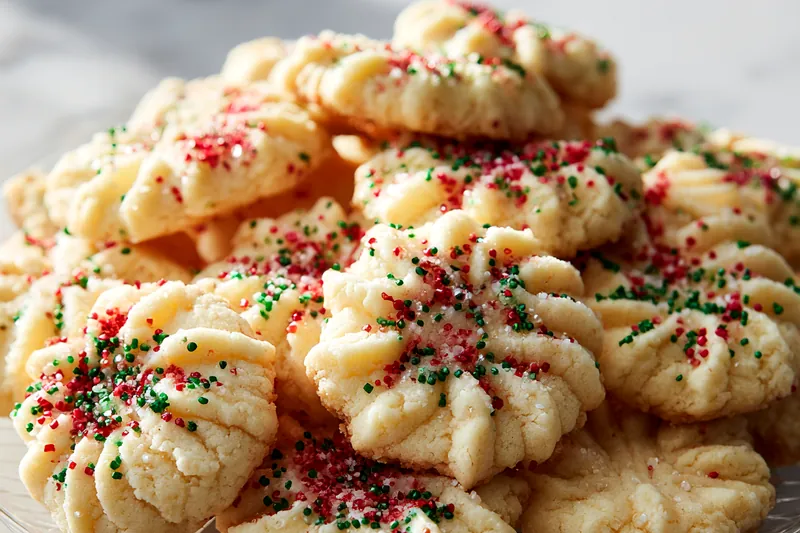
Mastering the Cookie Press Technique
Using a cookie press effectively requires practice and understanding of how the tool works. Start by assembling your press according to the manufacturer's instructions and choosing your desired disc. Load the dough firmly into the barrel, tapping it gently to eliminate air pockets which can cause incomplete shapes. Hold the press perpendicular to an ungreased, cool cookie sheet - the dough needs a surface it can grip to release properly from the disc.
Press firmly and steadily, releasing the trigger once the full shape has formed. Lift straight up quickly to create a clean break. If the cookie sticks to the disc, the dough may be too warm. If it won't release from the press, it may be too cold. Maintain consistent pressure for uniform cookies. Practice makes perfect - your first few may not be flawless, but you'll quickly develop the rhythm. Keep dough that's not currently in use covered to prevent it from drying out or warming up too much.
Achieving Perfect Dough Consistency
The ideal spritz dough should be soft and pliable but not sticky. When you press a finger into it, it should leave an indentation without the dough sticking to your finger. If squeezed in your hand, it should hold together without being greasy. Test consistency by pressing one cookie - it should release cleanly with defined edges. Adjust by warming or cooling as needed, but never add liquid to warm dough or flour to cold dough without remixing completely.
Classic Spritz Cookies
📋 Ingredients
Dough Base
- 1 teaspoon pure vanilla extractUse pure extract for best flavor - imitation lacks depth
- 1/4 teaspoon almond extractProvides traditional subtle nutty undertone
- Food coloring (optional)Use gel food coloring for vibrant colors without affecting texture
Decorations
- 1 cup (2 sticks) unsalted butter, softenedMust be room temperature, 65-68°F for proper consistency
- 2/3 cup granulated sugarCreates tender texture without excessive sweetness
- 1 large egg, room temperatureBinds ingredients and adds richness
- 2 1/4 cups all-purpose flourSpoon and level for accurate measurement
- 1/4 teaspoon saltEnhances butter flavor and balances sweetness
- Colored sugars and sprinklesApply immediately after pressing for best adhesion
Instructions
Prepare Dough
Preheat oven to 375°F. In a large bowl, cream softened butter and sugar together until light and fluffy, about 3 minutes. Beat in egg, vanilla extract, and almond extract until well combined. The mixture should be smooth and pale in color.
Mix Dry Ingredients
In a separate bowl, whisk together flour and salt. Gradually add the flour mixture to the butter mixture, mixing on low speed until just combined. Do not overmix, as this will make cookies tough.
Fill Cookie Press
Divide dough into portions if using multiple colors or designs. Add food coloring if desired. Fill cookie press according to manufacturer's instructions, making sure dough is packed tightly without air pockets for clean, defined shapes.
Press and Decorate
Press cookies directly onto ungreased cookie sheets, spacing them about 1 inch apart. Immediately decorate with colored sugars or sprinkles before baking, as they won't stick well after cookies are baked.
Bake
Bake for 8-10 minutes, until cookies are set but not browned. The edges may just barely begin to turn golden. Watch carefully as they can quickly overbake.
Cool and Store
Let cookies cool on baking sheet for 2 minutes, then transfer to a wire rack to cool completely. Store in an airtight container at room temperature for up to 2 weeks or freeze for up to 3 months.
Recipe Notes & Tips
Storage
Store completely cooled cookies in airtight containers with parchment paper between layers. They'll stay fresh at room temperature for 2 weeks. For longer storage, freeze in freezer-safe containers for up to 3 months. Thaw at room temperature for 30 minutes before serving.
Serving Suggestions
Serve on festive platters for holiday parties, package in decorative tins as gifts, or enjoy with hot chocolate and coffee. These cookies are perfect for cookie exchanges and look beautiful arranged by color or shape on serving trays.
Variations
Try chocolate spritz by replacing 1/4 cup flour with cocoa powder. Add citrus zest for lemon or orange versions. Dip cooled cookies in melted chocolate for elegant variations. Experiment with different extracts like peppermint, coconut, or maple.