Classic French Butter Cake (Gâteau au Beurre)
This Classic French Butter Cake is a revelation in simplicity and elegance. With its unique cobblestone texture, crispy golden exterior, and impossibly tender, custard-like interior, it's unlike any cake you've tried. Made with basic pantry ingredients and ready in under an hour, this authentic French dessert transforms butter, eggs, and flour into pure magic.

What Makes French Butter Cake Special
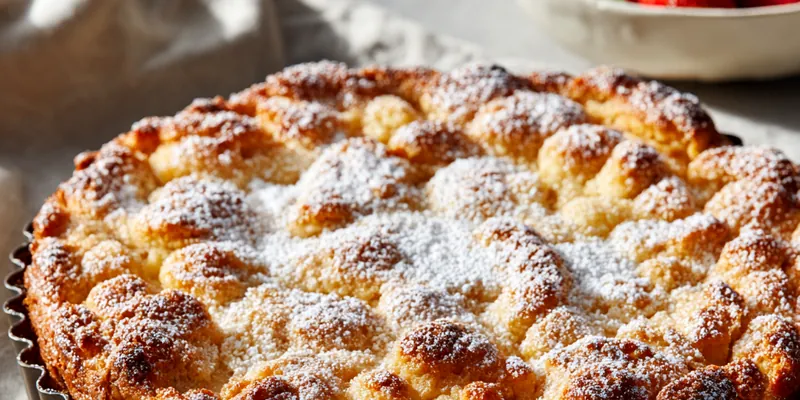
French Butter Cake, or Gâteau au Beurre, occupies a unique place in French home baking. Unlike American butter cakes that are light and fluffy, or pound cakes that are dense and firm, this cake strikes a remarkable balance with a texture that's often described as custard-like or flan-like in the interior while maintaining a crispy, caramelized crust. The distinctive cobblestone appearance on top develops naturally during baking as the batter rises unevenly, creating peaks and valleys that become beautifully golden brown.
What makes this cake truly special is its versatility and simplicity. It requires no special equipment, no complicated techniques, and uses ingredients you likely have in your pantry right now. It's equally at home served for breakfast with coffee, as an afternoon treat with tea, or dressed up with fresh berries and whipped cream for a dinner party dessert. The French appreciate it for what it is: honest, unpretentious, and absolutely delicious. The high butter content creates an incredibly rich flavor while keeping the crumb tender and moist for days.
💡 Professional Tip
The key to the perfect texture is room temperature ingredients and gentle mixing. Cold butter won't cream properly, and cold eggs can cause the batter to break. Let everything sit out for about an hour before baking, and resist the urge to overmix once you add the flour - this keeps the texture tender rather than tough.
Frequently Asked Questions
Absolutely! French Butter Cake actually improves after a day as the flavors meld and the texture becomes even more custard-like. Store it covered at room temperature for up to 3 days, or refrigerate for up to 5 days. Let it come to room temperature before serving for the best texture. You can also freeze slices wrapped individually in plastic wrap and foil for up to 2 months. Thaw overnight in the refrigerator and bring to room temperature before enjoying.
While unsalted butter is preferred to control the salt level precisely, you can use salted butter if that's what you have. Simply omit the added salt in the recipe. Keep in mind that different brands of salted butter have varying salt levels, so the final taste may vary slightly. For the most consistent results and true French flavor, unsalted butter is the way to go.
That irregular, cobblestone texture is exactly what you want! It's the authentic characteristic of a traditional French Butter Cake. As the cake bakes, the batter rises unevenly, creating natural peaks and valleys that brown beautifully. This rustic appearance is part of its charm and shows you've made it correctly. Don't try to smooth it out - embrace the imperfection, as that's where the crispy, caramelized bits form.
No problem! You can use a 9-inch round cake pan, an 8x8-inch square pan, or a 9-inch springform pan. Just make sure to butter and flour whatever pan you use very thoroughly. The baking time may need to be adjusted by a few minutes depending on the pan depth - shallower pans will bake faster. A toothpick test is your best guide for doneness regardless of pan type.
The cake is done when the top is deeply golden brown with darker caramelized peaks, and a toothpick or cake tester inserted in the center comes out clean or with just a few moist crumbs. The edges should be pulling away slightly from the pan, and the cake should spring back when gently pressed in the center. It typically takes 35-40 minutes, but ovens vary, so start checking at 30 minutes to avoid overbaking.
This cake is wonderfully versatile! Serve it simply dusted with powdered sugar alongside coffee or tea for breakfast or afternoon snacks. For a more elegant presentation, top with fresh berries and lightly sweetened whipped cream. It's also delicious with a drizzle of chocolate sauce, a scoop of vanilla ice cream, or alongside poached fruit. In France, it's often enjoyed plain with just coffee, letting the butter's rich flavor shine through.
While the classic version is simply vanilla-flavored, you can certainly customize it. Try adding the zest of one lemon or orange for a citrus version, or swap the vanilla for almond extract. You can fold in fresh or frozen blueberries, chocolate chips, or diced apples. Just remember that add-ins may affect baking time slightly, and don't add more than 1 cup of mix-ins or it may affect the texture.
Store the cake covered loosely with plastic wrap or in an airtight container at room temperature for up to 3 days. It stays remarkably moist thanks to the high butter content. For longer storage, wrap slices individually and refrigerate for up to 5 days, or freeze for up to 2 months. Always let refrigerated cake come to room temperature before serving - it takes about 30 minutes and makes a huge difference in texture and flavor.
Recipe Troubleshooting Guide
Dense, Heavy Texture
Problem: The cake turned out dense and heavy instead of tender and custard-like.
Solution: This usually happens from overmixing the batter after adding the flour, which develops gluten and creates a tough texture. Mix just until the flour is incorporated - some small lumps are fine. Also check that your baking powder is fresh (test by adding a bit to hot water - it should fizz vigorously) and that you properly creamed the butter and sugar for the full 3-4 minutes.
Dry, Crumbly Cake
Problem: The cake is dry and crumbles when sliced instead of being moist.
Solution: This indicates overbaking. Check your oven temperature with an oven thermometer as many ovens run hot. Start checking for doneness at 30 minutes, and remove the cake as soon as a toothpick comes out clean - don't wait for it to be completely dry. Also ensure you're measuring flour correctly by spooning it into the measuring cup and leveling off, not scooping directly from the bag which compacts it.
Sunken Center
Problem: The middle of the cake sank or collapsed after baking.
Prevention: A sunken center typically means the cake was underbaked even if the top looked done. The irregular surface can sometimes mask underbaking in the center. Insert your toothpick in several places, including the deepest valleys. Also avoid opening the oven door in the first 25 minutes of baking, as temperature fluctuations can cause collapse. Finally, check that your baking powder is fresh and active.
Cake Stuck in Pan
Problem: The cake stuck to the pan and tore when trying to remove it.
Recovery: This cake has a high butter content and needs thorough pan preparation. Use softened butter (not melted) to grease every corner and crevice of the pan, then dust with flour and tap out excess. For extra insurance, use a non-stick baking spray. Let the cake cool in the pan for the full 10 minutes before attempting to remove it - this allows it to set slightly and release more easily.
Burnt Top, Undercooked Center
Problem: The top is getting too dark before the center is fully cooked.
Prevention: If the top is browning too quickly, tent loosely with aluminum foil after 25-30 minutes of baking and continue cooking until the center is done. This often indicates your oven runs hot or the rack is positioned too close to the top element. Try moving the rack to the lower-middle position for more even baking. An oven thermometer can help you verify if temperature adjustment is needed.
Flavor Balance Issues
Too Sweet: If the cake tastes too sweet, reduce sugar by 2 tablespoons next time, or serve with unsweetened whipped cream or tart berries to balance the sweetness.
Too Salty: If it tastes too salty, you likely used salted butter and added salt. Use only unsalted butter, or if using salted butter, omit the added salt completely.
Bland: If the flavor seems flat, ensure you're using pure vanilla extract (not imitation) and add a full 2 teaspoons. You can also add a pinch more salt to enhance the flavors, or try adding lemon zest for brightness.
Ingredient Selection and Quality
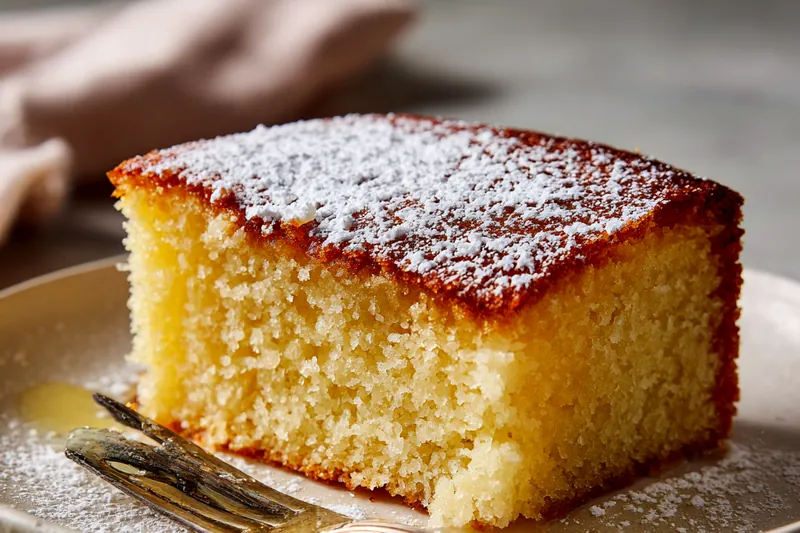
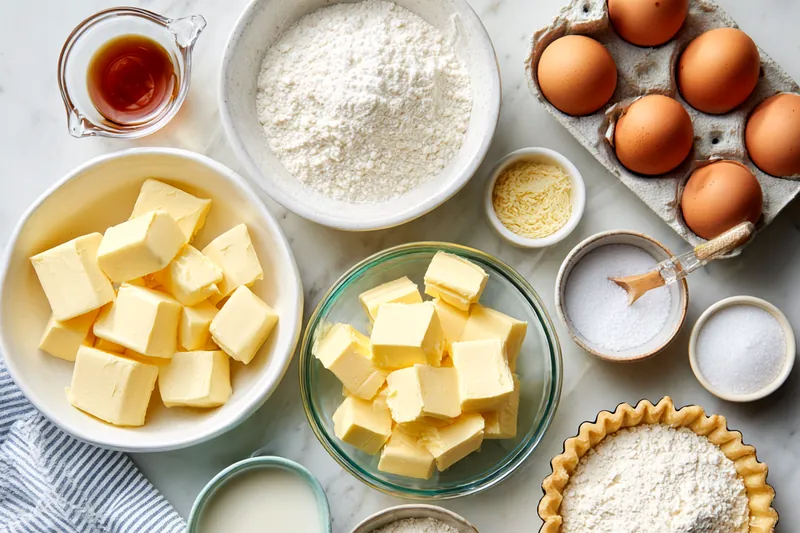
The beauty of French Butter Cake lies in its simplicity, which means ingredient quality truly matters. European or European-style butter with higher fat content (82% or higher) will give you the richest flavor and most tender crumb, though regular American butter (80% fat) works perfectly well. Whatever butter you choose, it must be at room temperature - soft enough to leave an impression when pressed but not melting or greasy. Cold butter won't cream properly with the sugar, resulting in a dense cake.
Fresh eggs at room temperature are crucial for proper emulsification. Cold eggs can cause the batter to break or curdle, creating a less tender texture. Set your eggs out with the butter about an hour before baking. Use pure vanilla extract rather than imitation for the best flavor - since this cake has such simple flavors, quality vanilla makes a noticeable difference. Finally, make sure your baking powder is fresh (test it by mixing a teaspoon with hot water - it should fizz vigorously immediately).
Essential Ingredient Notes
- Unsalted Butter: Use high-quality unsalted butter at room temperature, soft enough to leave a fingerprint but not melting. European-style butter with higher fat content creates an even richer cake. Let butter sit out for 45-60 minutes before starting.
- Room Temperature Eggs: Eggs must be at room temperature for proper emulsification. Cold eggs can cause the batter to curdle or break. If you forgot to set them out, place eggs (still in shells) in a bowl of warm water for 5-10 minutes.
- Pure Vanilla Extract: Use pure vanilla extract, not imitation, as the simple flavor profile of this cake lets quality ingredients shine. For a variation, try pure almond extract or add citrus zest for a different flavor dimension.
Mastering the Technique
The most critical step in making perfect French Butter Cake is properly creaming the butter and sugar. This isn't just about mixing them together - you're incorporating air into the butter, which creates the cake's structure and tender crumb. Beat the butter and sugar on medium-high speed for a full 3-4 minutes until the mixture becomes pale, fluffy, and has increased in volume by about one-third. Don't rush this step. Scrape down the bowl halfway through to ensure even mixing. The mixture should look almost white and feel light and airy.
Once you add the flour, switch from vigorous beating to gentle folding. Overmixing at this stage develops gluten, which creates a tough, dense cake instead of the desired tender, custard-like texture. Mix just until you no longer see streaks of flour - some small lumps are perfectly fine and will disappear during baking. The batter should be thick but pourable. Don't worry about achieving a perfectly smooth top when you pour it into the pan - the irregular surface is what creates that characteristic cobblestone appearance and those delicious crispy peaks.
Creating the Perfect Creamed Butter Base
The foundation of this cake's incredible texture comes from properly creaming room-temperature butter with sugar. Use an electric mixer on medium-high speed and beat for the full 3-4 minutes - set a timer! You'll know it's ready when the mixture has lightened in color significantly (from yellow to nearly white), increased in volume by about one-third, and looks fluffy and cloud-like. Scrape the bowl halfway through. This step incorporates thousands of tiny air bubbles that expand during baking, creating the tender crumb. If your butter is too cold, it won't cream properly; if it's too warm, it won't hold the air. Room temperature butter should be around 65-68°F - soft enough to leave a fingerprint but still holding its shape.
Classic French Butter Cake (Gâteau au Beurre)
📋 Ingredients
Wet Ingredients
- Powdered sugar for dustingUse a fine-mesh sieve for the most delicate, even coating
Dry Ingredients
- 1 cup (226g) unsalted butter, room temperatureMust be soft but not melting; European-style butter gives richer flavor
- 1 cup (200g) granulated sugarRegular white sugar works perfectly
- 4 large eggs, room temperatureLeave out for 1 hour or warm in bowl of water for 10 minutes
- 1¾ cups (220g) all-purpose flourSpoon into cup and level off; don't scoop directly from bag
- 2 teaspoons baking powderMake sure it's fresh and active for proper rise
- ½ teaspoon fine sea saltEnhances flavor; omit if using salted butter
- ⅓ cup (80ml) whole milkRoom temperature preferred; 2% works too
- 2 teaspoons pure vanilla extractUse pure, not imitation, for best flavor
Instructions
Prepare Pan and Preheat
Preheat oven to 350°F (175°C). Generously butter a 9-inch fluted tart pan or springform pan, making sure to coat all edges and corners. Dust lightly with flour and tap out excess.
Cream Butter and Sugar
In a large mixing bowl, beat room temperature butter and sugar together on medium-high speed for 3-4 minutes until pale, light, and fluffy. Scrape down sides of bowl as needed.
Add Eggs and Wet Ingredients
Add eggs one at a time, beating well after each addition. Mix in vanilla extract. The mixture may look slightly curdled - this is normal. Add milk and beat until just combined.
Incorporate Dry Ingredients
In a separate bowl, whisk together flour, baking powder, and salt. Gently fold dry ingredients into butter mixture using a spatula until just combined. Do not overmix - a few small lumps are fine.
Bake to Perfection
Pour batter into prepared pan and smooth the top lightly with a spatula. Bake for 35-40 minutes until the top is golden brown and a toothpick inserted in center comes out clean. The cake will develop its characteristic cobblestone texture as it bakes.
Cool and Serve
Let cake cool in pan for 10 minutes, then carefully remove from pan and transfer to a wire rack to cool completely. Once cooled, dust generously with powdered sugar through a fine-mesh sieve. Slice and serve.
Recipe Notes & Tips
Storage
Store covered at room temperature for up to 3 days, or refrigerate for up to 5 days. This cake actually improves after a day as flavors meld. Freezes well for up to 2 months when wrapped tightly. Always bring to room temperature before serving for the best texture and flavor.
Serving Suggestions
Serve simply with coffee for breakfast, or dress it up with fresh berries and whipped cream for dessert. It's also delicious with vanilla ice cream, chocolate sauce, or alongside poached fruit. The rich butter flavor makes it perfect with tea or coffee at any time of day.
Variations
Try adding lemon or orange zest for citrus flavor, swap vanilla for almond extract, or fold in fresh blueberries or chocolate chips. You can also make this in a square pan for easier serving, or use mini muffin tins for individual portions (reduce baking time to 15-18 minutes).