Classic Buttery Shortbread Cookies
Traditional Scottish shortbread cookies with a golden, crumbly texture and rich buttery flavor. Simple three-ingredient recipe that melts in your mouth.

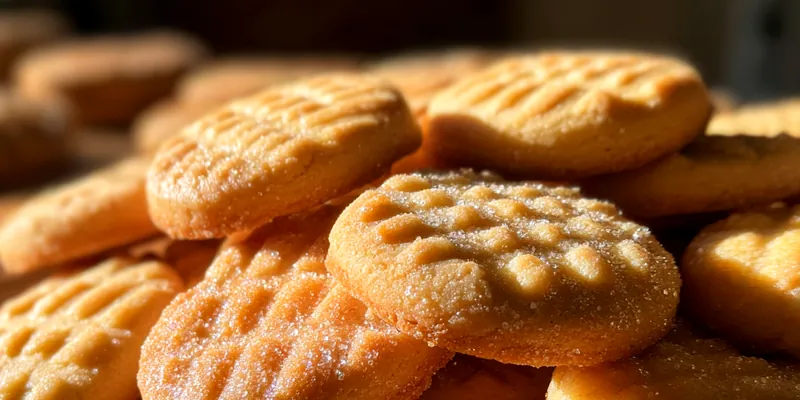
The Art of Perfect Shortbread
True shortbread requires only three essential ingredients: butter, sugar, and flour. The quality of your butter is paramount - use the best European-style butter you can find for superior flavor and texture. The high fat content creates that characteristic melt-in-your-mouth crumble.
The key to perfect shortbread is minimal handling. Overworking the dough develops gluten, which creates a tough rather than tender cookie. Mix just until the dough comes together, then handle it gently when shaping.
💡 Professional Tip
Chill the shaped cookies before baking to prevent spreading and maintain the classic thick shape. The sugar coating adds a delicate crunch that contrasts beautifully with the tender interior.
Frequently Asked Questions
Make sure to chill the shaped cookies for at least 15 minutes before baking. Also ensure your butter isn't too soft when mixing - it should be room temperature but still hold its shape.
Yes, but reduce or omit the additional salt in the recipe. Unsalted butter gives you better control over the final flavor.
The edges should be lightly golden, but the centers remain pale. They'll firm up as they cool. Overbaking makes them dry rather than tender.
Low temperature (325°F) allows the cookies to bake through evenly without browning too quickly. Shortbread needs gentle heat to achieve the perfect tender texture.
Absolutely! Try vanilla extract, lemon zest, lavender, or even a tablespoon of cocoa powder. Keep additions minimal to maintain the classic texture.
Store in an airtight container at room temperature for up to 2 weeks. Layer with parchment paper to prevent sticking. They also freeze beautifully for up to 3 months.
Yes! You can use cookie cutters for shapes, or simply score the surface with a knife. The pattern is traditional but not essential.
This usually means too much flour or not enough butter. Make sure to measure accurately. The dough should hold together when pressed but be tender when baked.
Recipe Troubleshooting Guide
Tough Texture
Problem: Cookies are hard or tough instead of tender
Solution: You may have overworked the dough or overbaked them. Mix just until combined and watch baking time carefully. Also check your flour measurement.
Too Crumbly
Problem: Cookies fall apart when you pick them up
Solution: Needs slightly more butter or less flour. Measure carefully and ensure you're pressing dough together well when shaping.
Spreading Issues
Problem: Cookies spread too thin during baking
Prevention: Chill shaped cookies before baking. Make sure butter wasn't too soft initially. Check oven temperature with thermometer.
Uneven Baking
Problem: Some cookies brown more than others
Recovery: Ensure cookies are uniform thickness. Rotate baking sheet halfway through. Check oven for hot spots and use middle rack.
Lack of Golden Color
Problem: Cookies remain too pale
Prevention: Bake a minute or two longer, watching carefully. Sugar coating helps with color. Ensure oven is fully preheated.
Flavor Balance Issues
Too Sweet: Reduce sugar slightly or add a pinch more salt
Too Salty: Use unsalted butter and reduce added salt
Bland: Use high-quality butter, add vanilla extract, or try a pinch of salt to enhance butter flavor
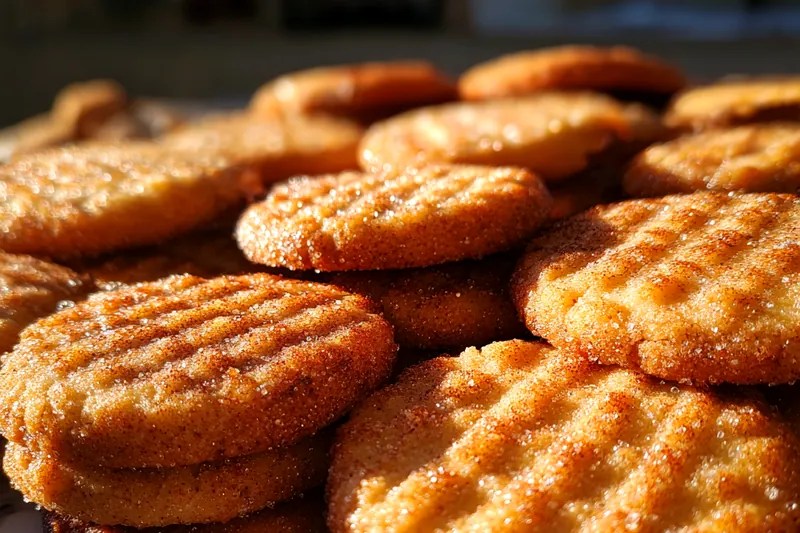
Ingredient Selection Matters
The beauty of shortbread lies in its simplicity, which means each ingredient's quality shines through. Choose European-style butter with at least 82% butterfat for the richest flavor and most tender texture. The butter should be softened but still cool to the touch.
All-purpose flour creates the perfect structure - not too dense, not too delicate. Sifting the flour before adding prevents lumps and incorporates air for a lighter texture. Fine granulated sugar dissolves smoothly into the butter, creating that classic melt-in-your-mouth quality.
Essential Ingredient Notes
- Butter Selection: Premium butter is essential. Look for European-style or cultured butter with high fat content. The butter's flavor is the star of shortbread.
- Flour Type: All-purpose flour works perfectly. Some bakers add a tablespoon of rice flour or cornstarch for extra tenderness, but it's optional.
- Sugar Coating: Rolling cookies in sugar before baking adds a delicate sweetness and slight crunch. You can also use coarse sugar for more texture.
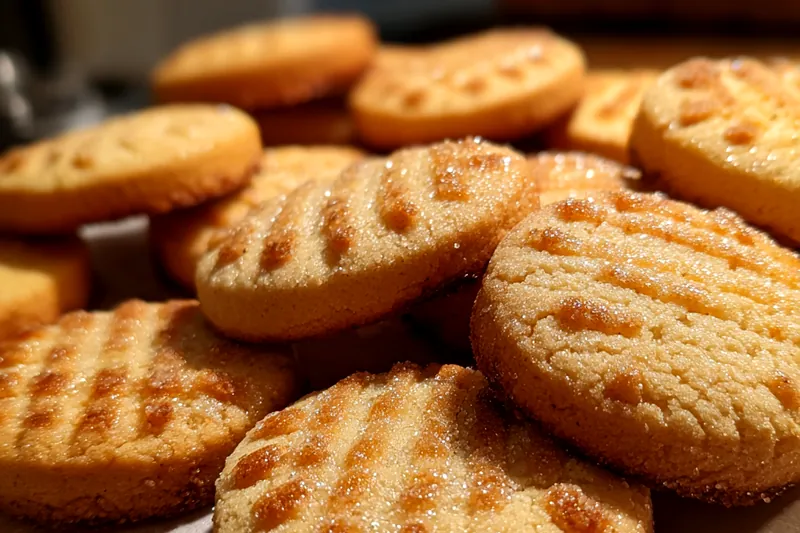
Mastering the Baking Process
Temperature control is crucial for perfect shortbread. The low oven temperature of 325°F allows the cookies to bake evenly without browning too quickly. They should come out with pale centers and just lightly golden edges - this ensures that tender, crumbly texture.
Patience during cooling is just as important as proper baking. Let cookies rest on the baking sheet for 5 minutes before transferring. They're fragile when hot but will firm up as they cool, developing that signature crisp-tender texture that makes shortbread irresistible.
The Fork Pattern Technique
The traditional crosshatch pattern isn't just decorative - it helps the cookies bake evenly by allowing steam to escape. Press gently but firmly to create clear lines without flattening the cookies too much.
Classic Buttery Shortbread Cookies
📋 Ingredients
Cookie Dough
- 2-3 tbsp granulated sugarFor coating and sparkle
For Coating
- 225g unsalted butter, softenedThe star ingredient - use quality butter
- 100g granulated sugarFor sweetness and structure
- 280g all-purpose flourSift for best results
- 1/4 tsp saltEnhances butter flavor
- 1 tsp vanilla extract (optional)Adds subtle warmth
Instructions
Cream Butter and Sugar
In a large bowl, beat softened butter and sugar together until light and fluffy, about 3-4 minutes. The mixture should be pale and creamy.
Add Flour
Sift flour and salt together. Gradually add to butter mixture, mixing on low speed until just combined. The dough will be crumbly at first, then come together. Add vanilla if using.
Shape Cookies
Roll dough into 1-inch balls. Place on parchment-lined baking sheets, spacing 2 inches apart. Gently flatten each ball to about 1/2 inch thick. Use a fork to create a crosshatch pattern on top. Sprinkle generously with sugar.
Chill Dough
Refrigerate shaped cookies for 15 minutes. This helps them maintain their shape and prevents spreading during baking. Preheat oven to 325°F (165°C).
Bake to Perfection
Bake for 16-18 minutes until edges are lightly golden. Centers should remain pale. Do not overbake. Let cool on baking sheet for 5 minutes, then transfer to wire rack to cool completely.
Recipe Notes & Tips
Storage Tips
Store in an airtight container at room temperature for up to 2 weeks. These cookies actually improve after a day or two as the flavors meld. Layer with parchment paper to prevent sticking.
Freezing Instructions
Unbaked dough can be frozen for up to 3 months. Shape cookies, freeze on a baking sheet, then transfer to freezer bags. Bake from frozen, adding 2-3 minutes to baking time.
Gift Giving
These make wonderful gifts! Package in decorative tins or boxes lined with parchment. They're sturdy enough to ship and their classic flavor appeals to everyone.