Beef Tenderloin with Mushroom Cognac Sauce
This beef tenderloin with mushroom cognac sauce brings French bistro elegance to your home kitchen with surprisingly simple techniques. The combination of perfectly seared tenderloin and velvety cognac-cream sauce studded with earthy mushrooms creates a restaurant-quality experience that's actually achievable on a weeknight. Whether you're celebrating a special occasion or simply treating yourself to something extraordinary, this recipe delivers impressive results every single time.

Mastering the Perfect Sear
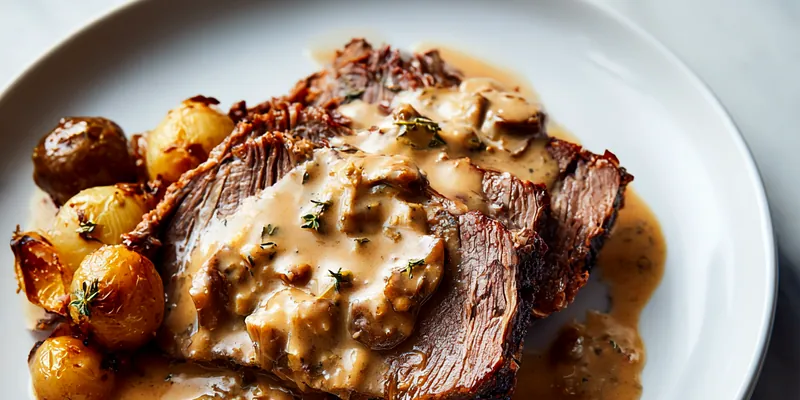
The foundation of exceptional beef tenderloin lies in achieving that coveted golden-brown crust while maintaining a tender, rosy interior. This requires understanding the Maillard reaction—the chemical process that creates those complex, savory flavors we associate with perfectly cooked meat. The key is surface moisture: any water on the meat will steam rather than sear, preventing proper browning. That's why patting your steaks completely dry and bringing them to room temperature before cooking makes such a dramatic difference in the final result.
Temperature control is equally crucial for success. Your pan must be hot enough to immediately start the browning process when the meat hits the surface, but not so hot that the exterior burns before the interior cooks. Medium-high heat with a heavy-bottomed skillet creates the ideal environment. Cast iron excels here because it retains heat beautifully, maintaining consistent temperature even when cold meat is added. Resist the urge to move or flip the steak repeatedly—patience allows that gorgeous crust to develop naturally.
💡 Professional Tip
Use an instant-read thermometer inserted horizontally into the thickest part of the steak. Remove beef at 125-130°F for medium-rare; it will rise 5 degrees while resting. This ensures perfect doneness every time without guesswork.
Frequently Asked Questions
The sauce can be prepared up to 2 days ahead and refrigerated in an airtight container. Reheat gently over low heat, adding a splash of cream if needed to restore consistency. However, the beef should be cooked just before serving for optimal texture and temperature. You can season the steaks and bring them to room temperature while you reheat the sauce, making final preparation very quick.
Brandy is the closest substitute and works beautifully in this recipe. Dry sherry or Madeira wine also provide excellent depth, though with slightly different flavor profiles. If avoiding alcohol entirely, use additional beef stock plus 1 tablespoon of balsamic vinegar to add complexity. The sauce will lack the distinctive cognac warmth but will still be delicious and rich.
Cold beef from the refrigerator cooks unevenly—the exterior overcooks while the center remains too cool. Allowing steaks to sit at room temperature for 30 minutes ensures even cooking from edge to center, resulting in consistent doneness throughout. This is especially important for thick-cut tenderloin steaks. Simply place seasoned steaks on a plate while you prepare other ingredients.
Absolutely! This sauce pairs beautifully with ribeye, strip steak, or filet mignon. Adjust cooking times based on thickness—thinner cuts will cook faster, while thicker cuts may need an additional minute per side. Any tender, well-marbled cut works wonderfully. For budget-friendly options, try top sirloin, though it will have a firmer texture than tenderloin.
The most reliable method is an instant-read thermometer: 125-130°F for medium-rare, 130-135°F for medium. Visually, the steak should feel slightly firm with some give when pressed with your finger—firmer than raw but not hard. After resting, slice one open to check: medium-rare shows warm red center, medium has pink throughout. Remember that beef continues cooking during rest, so remove it 5 degrees below target temperature.
Classic French accompaniments work beautifully: crispy roasted baby potatoes, garlic green beans, or creamy potato gratin. The rich sauce pairs wonderfully with something to soak it up—crusty bread, mashed potatoes, or buttered egg noodles. For vegetables, roasted asparagus, sautéed spinach, or glazed carrots provide color and balance. A simple arugula salad with lemon vinaigrette offers refreshing contrast to the richness.
For a lighter sauce, substitute half-and-half or whole milk, though the sauce will be thinner and less luxurious. To compensate, add an extra tablespoon of butter at the end or mix 1 teaspoon cornstarch with 1 tablespoon cold water and whisk into the simmering sauce to thicken. Alternatively, use full-fat coconut cream for dairy-free richness—it provides similar body with a subtle sweetness that complements the cognac.
Store cooked beef and sauce separately in airtight containers in the refrigerator for up to 3 days. Beef tenderloin is best enjoyed fresh, but leftover steak can be sliced thinly and gently reheated in the sauce over low heat—avoid boiling, which toughens the meat. Alternatively, serve leftover beef cold in salads or sandwiches. The sauce reheats beautifully on the stovetop over low heat, stirring occasionally and adding cream if needed.
Recipe Troubleshooting Guide
Steak is Tough or Chewy
Problem: Your beef turned out tougher than expected despite using tenderloin, which should be naturally tender.
Solution: Overcooking is the primary culprit—tenderloin becomes tough beyond medium doneness. Use a meat thermometer and remove at 130°F maximum. Also ensure you're slicing against the grain when serving, which shortens muscle fibers and makes each bite more tender. If your tenderloin seems particularly lean, it may benefit from a quick 30-minute marinade in olive oil with herbs before cooking.
Sauce is Too Thin
Problem: Your cognac sauce remains watery and won't coat the meat properly, lacking that luxurious consistency.
Solution: Continue simmering the sauce uncovered to reduce and concentrate it—this can take an extra 3-5 minutes. Make sure you reduced the stock by half before adding cream. If still thin, mix 1 teaspoon cornstarch with 1 tablespoon cold water and whisk into simmering sauce. Alternatively, add an extra tablespoon of cold butter at the end and swirl vigorously—the butter will emulsify and thicken the sauce naturally.
Meat Won't Brown Properly
Problem: Your steak is steaming rather than developing that beautiful golden-brown crust, resulting in gray, unappealing meat.
Prevention: This happens when meat is too wet or the pan isn't hot enough. Thoroughly pat steaks dry with paper towels before seasoning. Ensure your pan is properly preheated—you should see a shimmer when oil is added and feel strong heat when you hold your hand 6 inches above the surface. Don't crowd the pan; cook in batches if necessary. Most importantly, don't flip too early—let the crust develop for 4-5 minutes before moving the steak.
Cognac Won't Ignite or Flames Too High
Problem: Either the cognac won't flame when you want it to, or the flames shoot up alarmingly high, causing concern.
Recovery: For flambéing, the pan must be hot and the cognac must be warm. If it won't ignite, that's actually fine—the alcohol will cook off through simmering in 2-3 minutes. If flames are too high, simply slide a lid partially over the pan to cut off oxygen, which will extinguish them immediately. Always remove the pan from heat before adding alcohol to prevent dangerous flare-ups. Remember: flambéing is dramatic but optional; the flavor develops through reduction regardless.
Mushrooms Are Soggy and Gray
Problem: Instead of beautiful golden-brown mushrooms, you have limp, watery, gray mushrooms that release too much liquid.
Prevention: Mushrooms need space and heat to brown properly. Don't overcrowd the pan—cook in batches if necessary, arranging them in a single layer. Use medium-high heat and resist stirring for the first 3 minutes to allow caramelization. If they release too much water, increase heat slightly and continue cooking until the liquid evaporates before adding other ingredients. Using a hot pan with adequate fat also prevents steaming.
Flavor Balance Issues
Too Sweet: If the sauce tastes too sweet from the cognac, add a squeeze of fresh lemon juice and an extra pinch of salt to balance it. A dash of Worcestershire sauce also adds savory depth.
Too Salty: If too salty, add more cream (2-3 tablespoons) to dilute the salt concentration, or stir in 1 teaspoon of honey to balance the saltiness. Avoid adding more salt to the meat next time.
Bland: If the sauce lacks depth, simmer it longer to concentrate flavors. Add a splash more cognac, a teaspoon of Dijon mustard, or fresh thyme. A pat of cold butter swirled in at the end also enriches flavor. Season assertively with freshly cracked black pepper.
Selecting Quality Ingredients
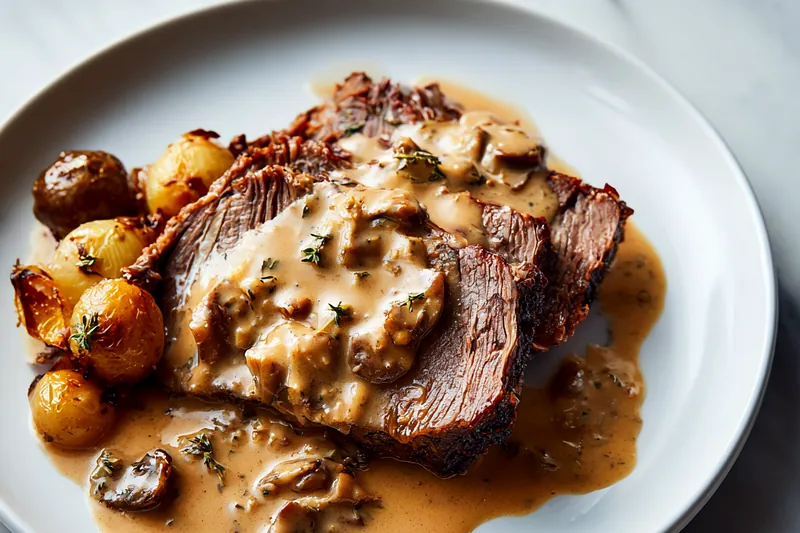
The quality of your beef tenderloin makes or breaks this dish, so choose wisely. Look for USDA Choice or Prime grade beef with bright red color and fine marbling throughout—those thin white lines of fat provide flavor and ensure tenderness. The steaks should be at least 1.5 inches thick to achieve proper searing without overcooking the interior. If purchasing whole tenderloin, ask your butcher to trim it and cut into equal portions, or buy center-cut medallions which are uniformly thick and cook evenly. Avoid pre-seasoned or enhanced beef, which can contain added sodium and affect browning.
Fresh mushrooms and quality cognac elevate this sauce from good to extraordinary. Cremini mushrooms offer deeper flavor than white button mushrooms while remaining affordable and accessible. They should be firm with tightly closed caps and no dark spots or sliminess. For cognac, you don't need to splurge on premium sipping cognac, but avoid cooking wines—use a mid-range VS or VSOP cognac that you'd be willing to drink. The better the cognac, the more complex and nuanced your sauce will taste. Heavy cream should be fresh, not ultra-pasteurized, for the best texture and richness.
Essential Ingredient Notes
- Beef Tenderloin: Choose center-cut tenderloin steaks that are uniformly thick (1.5 to 2 inches) for even cooking. Look for fine marbling and bright red color. Let steaks come to room temperature for 30 minutes before cooking, and always pat completely dry with paper towels before seasoning—this is crucial for proper browning.
- Cremini Mushrooms: Select firm mushrooms with closed caps and no moisture on the surface. Don't wash them under running water—simply wipe with a damp paper towel to remove dirt, as mushrooms absorb water like sponges. Slice them evenly (about 1/4 inch) so they cook uniformly and develop consistent browning.
- Cognac: Use a drinkable VS or VSOP cognac rather than cooking cognac, which can taste harsh. Brandy makes an excellent substitute. If avoiding alcohol, combine additional beef stock with a tablespoon of balsamic vinegar for depth. Store opened cognac in a cool, dark place where it will keep indefinitely.
Professional Cooking Techniques
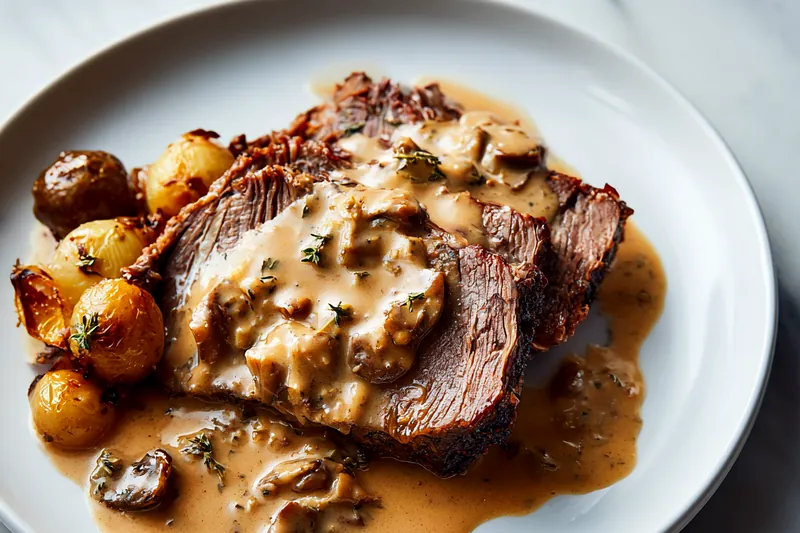
The difference between good beef and exceptional beef lies in understanding heat management and timing. Proper searing requires a blazing hot pan that's been preheated for at least 3-4 minutes—you'll know it's ready when oil shimmers and moves quickly across the surface. When you add the steak, it should sizzle immediately and loudly. This initial contact creates the foundation for that prized crust through the Maillard reaction. The most common mistake is flipping too frequently or too early; patience is your friend here. Let the meat develop deep color for 4-5 minutes before turning, and only flip once. This undisturbed cooking time allows proper crust formation.
Building the sauce in the same pan as you cooked the beef is essential—those browned bits stuck to the bottom (called fond) contain concentrated, deeply savory flavors that transform your sauce from ordinary to extraordinary. This technique, called deglazing, uses the cognac to dissolve those flavorful compounds back into your sauce. The order matters: sauté vegetables first to develop their flavors, then deglaze with alcohol which cooks off while capturing the fond, followed by stock reduction to concentrate everything, and finally cream to add luxurious body. Each layer builds on the previous one, creating complex depth that tastes like you spent hours in the kitchen.
The Art of Pan Sauce
A proper pan sauce transforms simple drippings into liquid gold. After searing your meat, there will be caramelized bits stuck to the pan—this is pure flavor waiting to be captured. When you add cognac and scrape the pan bottom with a wooden spoon, you're dissolving these compounds into your sauce through deglazing. The key is reducing your stock by half before adding cream, which concentrates flavors and prevents a watery sauce. Finish with cold butter swirled in off the heat—this creates a glossy, restaurant-quality appearance and adds silky richness. Master this technique and you can create elegant sauces from virtually any protein.
Beef Tenderloin with Mushroom Cognac Sauce
📋 Ingredients
For the Beef
- 3 tablespoons unsalted butter, dividedReserve 1 tablespoon for finishing sauce for glossy appearance
- 8 oz cremini mushrooms, slicedBaby bellas work great; slice evenly for consistent cooking
- 2 shallots, finely mincedMilder than onions with subtle sweetness
- 3 cloves garlic, mincedFresh garlic adds aromatic depth
- 1/4 cup cognac or brandyUse drinkable quality, not cooking cognac
- 1 cup beef stockLow-sodium preferred so you control salt level
- 3/4 cup heavy creamCreates luxurious, velvety texture
- 2 teaspoons fresh thyme leavesStrip leaves from stems; dried is okay but use half amount
- 1 tablespoon Dijon mustardAdds subtle tang and helps emulsify sauce
- Fresh parsley for garnishAdds color and fresh brightness
For the Cognac Sauce
- 4 beef tenderloin steaks (6 oz each, 1.5 inches thick)Center-cut for uniform thickness; bring to room temp before cooking
- 2 tablespoons olive oilHigh smoke point for proper searing
- Salt and freshly ground black pepper to tasteSeason generously; kosher salt works best
Instructions
Prepare and Sear the Beef
Remove beef from refrigerator 30 minutes before cooking. Pat steaks completely dry with paper towels and season generously with salt and pepper on all sides. Heat olive oil in large cast iron or heavy skillet over medium-high heat until shimmering. Add steaks and sear without moving for 4-5 minutes until deep golden crust forms. Flip and sear second side for 4 minutes for medium-rare (internal temp 130°F). Transfer to plate and tent with foil to rest.
Sauté the Mushrooms
Reduce heat to medium and add 2 tablespoons butter to the same skillet. Add sliced mushrooms in single layer and cook without stirring for 3 minutes to develop golden color. Stir and continue cooking 2-3 minutes until mushrooms are tender and browned. Add minced shallots and garlic, cooking for 1 minute until fragrant.
Deglaze and Build the Sauce
Remove pan from heat and carefully add cognac (it may flame briefly). Return to heat and simmer 1-2 minutes, scraping up browned bits from pan bottom. Add beef stock and bring to boil. Cook 4-5 minutes until reduced by half, concentrating the flavors.
Finish the Sauce and Serve
Reduce heat to medium-low and stir in heavy cream, Dijon mustard, and fresh thyme. Simmer gently for 3-4 minutes until sauce thickens enough to coat the back of a spoon. Swirl in remaining 1 tablespoon butter for glossy finish. Taste and adjust seasoning with salt and pepper. Return steaks and any accumulated juices to pan, spooning sauce over meat. Garnish with fresh parsley and serve immediately.
Recipe Notes & Tips
Storage
Store leftover beef and sauce separately in airtight containers in the refrigerator for up to 3 days. Reheat sauce gently over low heat, adding a splash of cream if needed. Beef is best enjoyed fresh but can be reheated carefully in the sauce over low heat without boiling, or served cold sliced thin in salads.
Serving Suggestions
Serve with crispy roasted baby potatoes, garlic mashed potatoes, or buttered egg noodles to soak up the luxurious sauce. Pair with roasted asparagus, sautéed green beans, or a simple arugula salad with lemon vinaigrette. This dish pairs beautifully with full-bodied red wines like Cabernet Sauvignon or Bordeaux.
Variations
Try using mixed wild mushrooms (shiitake, oyster, chanterelles) for more complex flavor. Substitute brandy, dry sherry, or Madeira for the cognac. For a lighter version, use half-and-half instead of heavy cream, though the sauce will be thinner. Add a teaspoon of green peppercorns for classic steak au poivre variation.