Authentic Mexican Tamales
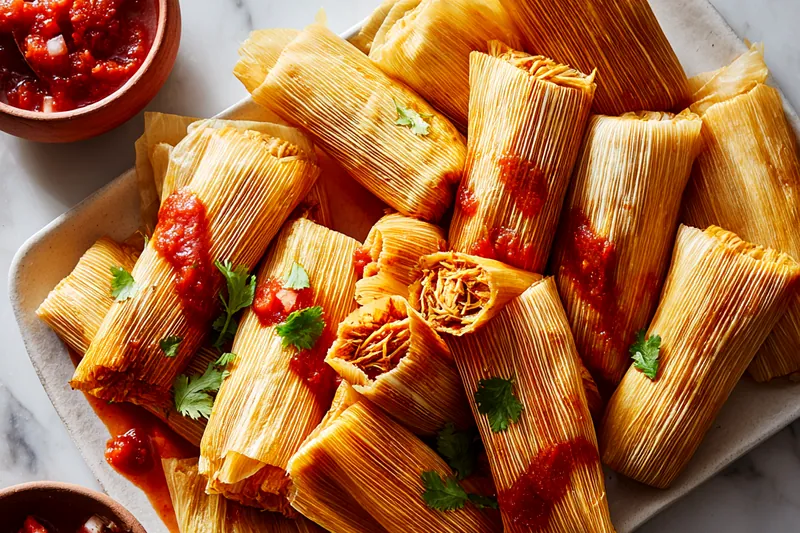
Traditional Mexican tamales with tender masa, savory pork filling, and aromatic spices steamed in corn husks. Perfect for celebrations and family gatherings.


The Art of Traditional Tamale Making
Making tamales is a labor of love that brings families together. The key to authentic tamales lies in perfectly whipped masa that's light and fluffy, achieved by beating the lard until it's almost white and incorporating air throughout the mixing process. The masa should be spreadable but hold its shape.
The filling must be well-seasoned and moist but not watery, as excess liquid will make the masa soggy. Traditional pork tamales use tender, slow-cooked meat mixed with a rich chile sauce that penetrates every fiber. The balance between masa and filling is crucial for the perfect bite.
💡 Professional Tip
Test your masa by dropping a small ball into cold water. If it floats, you've whipped enough air into it and your tamales will be light and tender. If it sinks, continue beating the lard and masa mixture.
Frequently Asked Questions
Yes! Uncooked tamales can be assembled and frozen for up to 3 months. Steam directly from frozen, adding 15-20 minutes to cooking time. Cooked tamales refrigerate for 5 days or freeze for 3 months.
Vegetable shortening works well, though lard provides the most authentic flavor and texture. You can also use a combination of butter and shortening for a compromise between flavor and dietary preferences.
Tamales are done when the masa pulls away from the corn husk easily and cleanly. The texture should be firm but tender, not mushy or raw. If they stick, steam for another 10-15 minutes.
Dense tamales usually result from not beating the lard enough or adding too much liquid to the masa. Make sure to whip the lard until fluffy and test that the masa floats in water before assembling.
Absolutely! Popular alternatives include chicken with salsa verde, cheese with jalapeños, black beans with cheese, or sweet tamales with cinnamon and raisins. The masa preparation remains the same.
Not necessarily. You can use a large pot with a steamer basket, a tamale steamer, or even improvise with a pot and heat-safe bowl to keep tamales above water level. Just ensure steam circulates well.
Steam for 15-20 minutes until heated through, or wrap in damp paper towel and microwave for 1-2 minutes. Avoid drying out by keeping husks on during reheating. Oven reheating at 325°F for 20 minutes also works well.
Most grocery stores carry these in the international or Mexican food aisle. Mexican markets always have fresh supplies. Corn husks come dried in packages, and masa harina (Maseca brand is common) is widely available.
Recipe Troubleshooting Guide
Masa Too Dry
Problem: Masa is crumbly and won't spread
Solution: Add warm broth 1-2 tablespoons at a time until spreadable. The masa should be like thick peanut butter, not stiff or crumbly.
Tamales Stick to Husks
Problem: Masa sticks and tears when unwrapping
Solution: Steam longer until masa pulls away cleanly. Also ensure masa layer isn't too thin and that lard was beaten sufficiently for proper texture.
Soggy Tamales
Problem: Tamales are mushy or waterlogged
Prevention: Ensure water level stays below steamer basket and filling isn't too wet. Cover tamales with towel to absorb excess moisture during steaming.
Dense Heavy Texture
Problem: Tamales are heavy instead of light and fluffy
Recovery: Beat lard much longer until fluffy and white. Add baking powder. Test masa float in water before assembling. Don't overmix after adding masa harina.
Tamales Fall Apart
Problem: Tamales don't hold together when unwrapped
Prevention: Steam longer for firmer texture. Ensure proper masa-to-liquid ratio. Don't spread masa too thin. Let tamales rest 10 minutes after steaming before serving.
Flavor Balance Issues
Too Sweet: Add more chile sauce or cumin to filling, increase salt in masa slightly
Too Salty: Serve with fresh lime, crema, and salsa to balance
Bland: Add more spices to filling, use flavorful pork broth in masa, season masa adequately

Selecting Quality Ingredients
The foundation of exceptional tamales begins with quality masa harina. Maseca is the most widely available brand, but look for fresh masa harina with a sweet, corn aroma. Store in an airtight container to maintain freshness. The corn flavor of the masa is the heart of every tamale.
For the filling, choose pork shoulder with good marbling for the most tender, flavorful results. The slow cooking process breaks down the meat while infusing it with aromatic spices. Dried chiles provide authentic depth—ancho offers sweetness while guajillo adds bright, tangy notes.
Essential Ingredient Notes
- Masa Harina: Use masa harina specifically for tamales, not masa for tortillas. The grind is different. Fresh masa from a Mexican market can also be used—you'll need about 1.4kg and should skip adding liquid.
- Corn Husks: Look for large, pliable husks without tears. Soak thoroughly until flexible. Save small pieces to tear into strips for tying tamales. Extra husks can line the steamer bottom.
- Lard Quality: Use fresh, high-quality lard (manteca) from a butcher or Mexican market when possible. It provides unmatched flavor and texture. Rendered leaf lard is the premium choice.
Mastering the Steaming Process
Proper steaming is crucial for perfect tamales. Arrange them standing upright with open ends facing up, which allows steam to penetrate evenly while preventing filling from leaking. The steamer should never run dry—check water levels every 30 minutes and replenish with hot water to maintain consistent steam.
Covering tamales with a damp kitchen towel before adding the lid creates ideal steaming conditions, trapping moisture while preventing water droplets from dripping onto the tamales. This traditional technique ensures even cooking and prevents soggy spots on the masa.
The Float Test
Before assembling tamales, drop a small ball of masa into cold water. If it floats, you've incorporated enough air and fat for light, fluffy tamales. If it sinks, continue beating.
Authentic Mexican Tamales
📋 Ingredients
For the Pork Filling
- 680g masa harinaSpecifically for tamales, not tortillas
- 340g lard or shorteningBeat until fluffy for light texture
- 480ml warm pork brothReserved from cooking the pork
- 1½ tsp baking powderHelps masa rise and stay light
- 1 tsp saltEssential for flavor balance
- 40-50 dried corn husksSoak until pliable before using
For the Masa
- 900g pork shoulder, cubedGood marbling ensures tender results
- 1 medium onion, quarteredAdds flavor to the cooking broth
- 4 cloves garlicEssential aromatic base
- 3 dried ancho chilesProvides mild heat and sweet flavor
- 2 dried guajillo chilesAdds bright, tangy notes
- 1 tsp cuminClassic Mexican spice
- 1 tsp oreganoMexican oregano preferred
Instructions
Prepare Corn Husks
Soak corn husks in warm water for at least 1 hour until pliable. Weigh down with a plate to keep submerged. Drain before using.
Cook the Pork
Place pork, onion, garlic, bay leaves, and salt in a large pot. Cover with water and bring to boil. Reduce heat and simmer 1.5-2 hours until tender. Reserve 2 cups broth. Shred pork when cool.
Make Chile Sauce
Remove stems and seeds from chiles. Toast in dry skillet 30 seconds per side. Soak in hot water 20 minutes. Blend with 1 cup soaking water, cumin, oregano, and pepper until smooth. Simmer with oil for 10 minutes. Mix with shredded pork.
Prepare Masa
Beat lard with mixer until fluffy, about 3-5 minutes. Gradually add masa harina, baking powder, and salt. Slowly add warm pork broth until mixture is spreadable like thick peanut butter. Test: a small ball should float in cold water.
Assemble Tamales
Spread 2-3 tablespoons masa on wide end of husk, leaving 1-inch border. Add 1-2 tablespoons filling down center. Fold sides in, then fold bottom up. Tie with husk strip or leave open at top.
Steam Tamales
Stand tamales upright in steamer basket, open end up. Add water below basket level. Cover with damp towel and lid. Steam 1-1.5 hours, adding water as needed. Done when masa pulls away from husk easily. Let rest 10 minutes before serving.
Recipe Notes & Tips
Freezing Instructions
Both cooked and uncooked tamales freeze beautifully for up to 3 months. Wrap individually or in small batches. Steam uncooked frozen tamales for 1.5-2 hours; reheat cooked frozen tamales for 25-30 minutes.
Traditional Serving
Serve tamales with Mexican crema, salsa verde or roja, refried beans, and Mexican rice. Garnish with fresh cilantro and lime wedges. Tamales are traditionally enjoyed during holidays, celebrations, and family gatherings.
Making it a Tamalada
Turn tamale-making into a family event called a tamalada. Assign tasks: someone spreads masa, another adds filling, someone else folds. It's faster, more fun, and keeps the tradition of cooking together alive.