Authentic Italian Bolognese Sauce
This authentic Italian Bolognese sauce is a labor of love that fills your kitchen with the most incredible aromas. Unlike quick meat sauces, true Bolognese develops its rich, complex flavors through slow simmering and the perfect balance of meat, vegetables, and tomatoes. Serve it over fresh pappardelle, tagliatelle, or your favorite pasta for an unforgettable meal that tastes like Sunday dinner at an Italian grandmother's house.

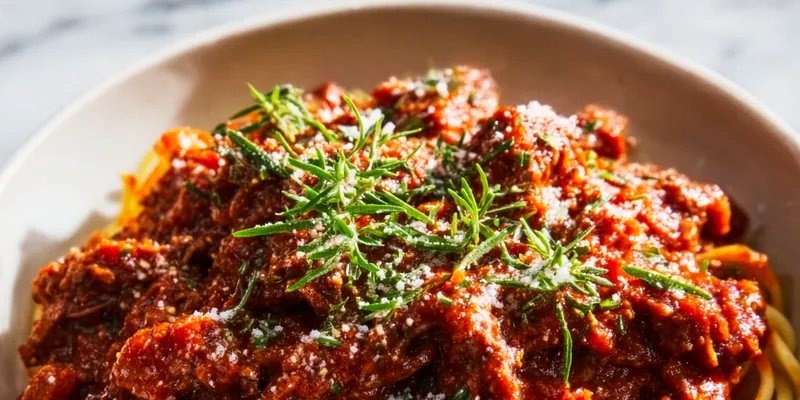
The Art of True Bolognese
Authentic Bolognese sauce, or ragù alla bolognese, is one of Italy's most celebrated dishes, originating from the city of Bologna in the Emilia-Romagna region. Unlike typical American meat sauces that are tomato-heavy, traditional Bolognese is actually a meat sauce that contains tomatoes, not a tomato sauce with meat. The ratio matters tremendously - you should see plenty of rich, browned meat in every spoonful. This sauce is also unique in its use of milk, which tenderizes the meat and adds a subtle sweetness that balances the acidity of the tomatoes.
The foundation of any great Bolognese is the soffritto - finely diced onions, carrots, and celery cooked until soft and aromatic. This vegetable base provides sweetness and depth that you simply cannot replicate with shortcuts. The slow simmering process is equally critical, allowing the flavors to meld and intensify while the sauce reduces to a thick, clingy consistency that coats pasta perfectly. Many Italian cooks insist on simmering for two to three hours, though ninety minutes produces excellent results for busy home cooks.
💡 Professional Tip
The key to exceptional Bolognese is keeping the heat low during the simmering phase - you want gentle bubbles, not a rolling boil. High heat will toughen the meat and cause the sauce to reduce too quickly without developing complex flavors.
Frequently Asked Questions
Absolutely! Bolognese actually tastes better the next day as the flavors continue to develop. Make the sauce up to 3 days ahead, let it cool completely, then refrigerate in an airtight container. Reheat gently on the stovetop, adding a splash of stock if needed. You can also freeze Bolognese for up to 3 months in freezer-safe containers.
While you can use all beef, the combination of beef and pork creates better flavor and texture - the pork adds richness and prevents the sauce from being too lean. If you avoid pork, try using half beef and half ground veal, or add a few strips of chopped bacon for similar depth. Ground turkey or chicken won't produce authentic results as they lack the necessary fat content.
In Bologna, ragù is traditionally served with fresh tagliatelle or pappardelle - wide, flat egg noodles that catch and hold the chunky sauce beautifully. Avoid spaghetti, which is too thin for this hearty sauce. Rigatoni or other tube-shaped pasta also works well. Whatever you choose, cook it al dente and toss it directly with the sauce rather than just ladling sauce on top.
Milk is a traditional ingredient in authentic Bolognese that serves two important purposes. First, it tenderizes the meat, making it incredibly succulent. Second, it adds a subtle sweetness and creaminess that balances the acidity of the tomatoes and wine. The milk is added early and allowed to evaporate almost completely, so you won't taste it directly, but you'll notice its effects in the overall richness of the sauce.
Your Bolognese is ready when it has reduced significantly and developed a thick, rich consistency that barely runs when you tilt the pot. The meat should be incredibly tender, and the sauce should have a deep, reddish-brown color. You should see tiny oil droplets on the surface - this is the fat rendering from the meat, which is a sign of proper cooking. Taste it - the flavors should be well-balanced with no harsh acidity or raw wine taste.
Serve your Bolognese over fresh pasta with a generous grating of Parmigiano-Reggiano cheese. Accompany it with a simple arugula salad dressed with lemon and olive oil to cut through the richness. Crusty Italian bread for soaking up extra sauce is essential. For wine, choose a medium-bodied Italian red like Chianti, Sangiovese, or Barbera that can stand up to the rich meat flavors.
While possible, slow cookers don't brown meat as effectively as stovetop cooking, which means you'll miss some depth of flavor. For best results, brown the vegetables and meat in a pan first, then transfer to your slow cooker with remaining ingredients. Cook on low for 6-8 hours. The texture will be slightly different - more broken down and less chunky - but still delicious.
Store cooled Bolognese in airtight containers in the refrigerator for up to 4 days. The sauce will thicken as it sits, so add a splash of stock or water when reheating. For longer storage, freeze in portion-sized containers or freezer bags for up to 3 months. Thaw overnight in the refrigerator before reheating gently on the stovetop.
Recipe Troubleshooting Guide
Sauce Is Too Watery
Problem: Your Bolognese is thin and runny rather than thick and clingy.
Solution: Continue simmering uncovered to allow excess liquid to evaporate. If you're short on time, increase the heat slightly to medium-low, but stir more frequently to prevent scorching. You can also add an extra tablespoon of tomato paste to help thicken the sauce. The reduction process concentrates flavors, so don't skip this step.
Meat Is Tough or Grainy
Problem: The ground meat has a dry, grainy texture instead of being tender.
Solution: This usually happens when the meat is cooked at too high heat or not simmered long enough. Make sure you're using ground beef with at least 15-20% fat content - lean meat will always be tougher. Ensure the milk has time to absorb into the meat before adding wine. If the meat is already cooked, continue simmering on very low heat for another 30-45 minutes to break down the proteins.
Sauce Tastes Too Acidic
Problem: The sauce has a sharp, harsh tomato flavor that's unpleasant.
Prevention: Add a pinch of sugar (1/2 to 1 teaspoon) to balance the acidity, or stir in an additional 1/4 cup of milk during the last 30 minutes of cooking. Make sure you're using good quality crushed tomatoes - cheap brands often have more acidity. Longer simmering also helps mellow harsh flavors naturally. A small piece of Parmigiano-Reggiano rind simmered in the sauce can also help balance acidity.
Sauce Is Burning on the Bottom
Problem: The sauce is sticking and developing burnt spots on the bottom of the pot.
Recovery: Your heat is too high - reduce it immediately to low. Use a heavy-bottomed pot or Dutch oven which distributes heat more evenly. Stir the sauce more frequently, especially in the last hour of cooking when it's thickest. If you notice burning, don't scrape the bottom - transfer the sauce carefully to a new pot, leaving the burned portion behind.
Vegetables Are Too Chunky
Problem: Large pieces of vegetables are visible rather than melting into the sauce.
Prevention: This is a prep issue - make sure to dice your soffritto vegetables very finely (about 1/4 inch pieces). They should be small enough to almost disappear into the sauce. If already cooking, you can use an immersion blender to pulse the sauce a few times, but don't over-blend - you want texture from the meat. For next time, consider using a food processor to finely chop the vegetables.
Flavor Balance Issues
Too Sweet: If the sauce tastes too sweet, add a splash of red wine vinegar (1-2 teaspoons) or a squeeze of fresh lemon juice to brighten the flavors. You can also increase the salt slightly, as under-seasoning can make sweetness more prominent.
Too Salty: If too salty, add a peeled, quartered potato to the sauce and simmer for 20 minutes - it will absorb excess salt. Remove before serving. You can also add a bit more crushed tomatoes and let simmer longer, or stir in a tablespoon of unsalted butter at the end to mellow the saltiness.
Bland: Bland Bolognese needs more seasoning and time. Add salt gradually, tasting as you go. A tablespoon of tomato paste can boost umami flavors. Make sure you've added the bay leaves and nutmeg. Continue simmering to concentrate flavors. A splash of wine or a piece of Parmigiano rind can also enhance depth.
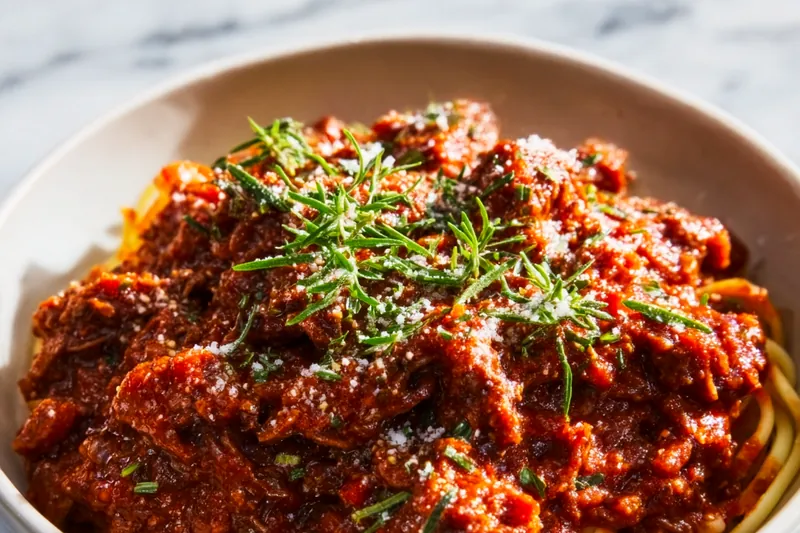
Selecting Quality Ingredients for Bolognese
The quality of your ingredients directly impacts the final flavor of your Bolognese. For the meat, choose ground beef with 15-20% fat content - labeled as 80/20 or 85/15. This fat is essential for flavor and texture, as it renders during cooking and enriches the sauce. Avoid extra-lean ground beef, which will produce a dry, less flavorful result. The ground pork should also have visible fat marbling. If your butcher offers freshly ground meat, that's even better as it will have superior texture and flavor compared to pre-packaged options.
When it comes to tomatoes, San Marzano tomatoes from Italy are worth seeking out - they have a naturally sweet flavor with low acidity and fewer seeds. Look for DOP certification on the can, which guarantees authenticity. For the wine, use a dry red wine that you would actually drink - something medium-bodied like Chianti or Merlot works beautifully. Avoid cooking wines, which contain added salt and inferior flavor. The milk should be whole milk for proper richness; low-fat milk won't provide the same tenderizing effect or creamy undertones.
Essential Ingredient Notes
- Ground Beef and Pork Blend: Use 1.5 pounds of ground beef (80/20) combined with 0.5 pounds ground pork for the ideal meat ratio. The beef provides robust, savory flavor while the pork adds richness and prevents the sauce from being too lean. Ask your butcher to grind the meat fresh if possible - it makes a noticeable difference in texture. The meat should look bright red (beef) and pale pink (pork) with visible fat marbling throughout.
- San Marzano Tomatoes: These elongated Italian tomatoes are prized for their sweet, balanced flavor and low acidity. Look for whole or crushed San Marzanos with DOP certification, which indicates they're authentically grown in the volcanic soil near Mount Vesuvius. If unavailable, good-quality domestic crushed tomatoes work fine - avoid those with added seasonings or citric acid, which can make the sauce too acidic.
- Soffritto Vegetables: The holy trinity of Italian cooking - onions, carrots, and celery - must be diced very finely and evenly for proper integration into the sauce. Use about a 2:1:1 ratio (2 parts onion to 1 part each carrot and celery). Fresh, firm vegetables are essential; wilted or old produce won't provide the sweet, aromatic base that Bolognese requires. Take your time with the knife work or use a food processor for uniform pieces.
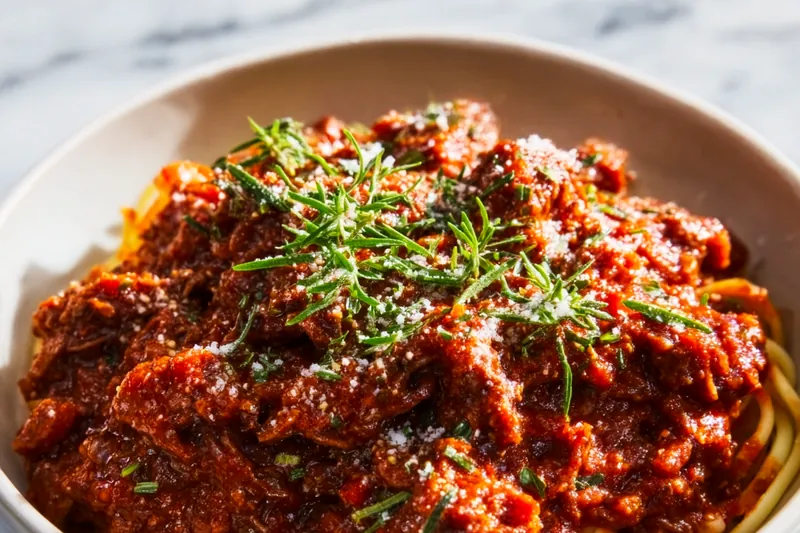
Mastering the Bolognese Cooking Technique
The magic of Bolognese happens in stages, and each stage is crucial to developing the complex flavor profile this sauce is famous for. Starting with the soffritto ensures you build a sweet, aromatic foundation. The vegetables should cook slowly until they practically melt into the oil, releasing their natural sugars. When browning the meat, resist the urge to stir constantly - let it develop a golden crust on the bottom of the pan. This fond (browned bits) adds incredible depth when you deglaze with wine. The milk step might seem unusual, but as it simmers and reduces into the meat, it creates remarkable tenderness.
The final simmering phase is where patience pays off. Maintaining a gentle, lazy bubble rather than a rolling boil allows the sauce to reduce without toughening the meat or losing moisture too quickly. As the liquid evaporates, flavors concentrate and meld together. The sauce will transform from a loose, soupy mixture to a thick, clingy ragù that holds together on a spoon. Stirring every 15-20 minutes prevents sticking and ensures even cooking. By the end, you should have a sauce that's rich, deeply colored, and coats the back of a spoon - this is Bolognese perfection.
The Slow Simmer Method
Maintaining the correct simmer temperature is the single most important technique for perfect Bolognese. After adding all liquids and bringing to a boil, reduce heat to low until you see just occasional small bubbles breaking the surface - about one bubble per second. This gentle heat allows collagen in the meat to break down gradually, creating tender, succulent texture while concentrating flavors through slow evaporation. If your stove runs hot, use a flame tamer or diffuser. Never cover the pot completely as you want moisture to escape and the sauce to reduce. Check and stir every 15-20 minutes, adjusting heat if necessary to maintain that perfect lazy bubble.
Authentic Italian Bolognese Sauce
📋 Ingredients
Aromatic Vegetables & Base
- 28 oz can crushed San Marzano tomatoesLook for DOP certification for authentic flavor
- 3 tablespoons tomato pasteAdds concentrated tomato flavor and helps thicken
- 2 cups beef stockLow-sodium preferred for better control of seasoning
- 1 cup dry red wineUse a wine you'd drink - Chianti or Merlot work well
- 1 cup whole milkTenderizes meat and balances acidity
Meat & Liquids
- 2 tablespoons olive oilExtra virgin for best flavor
- 1 medium onion, finely dicedYellow or white onion, about 1/4 inch pieces
- 2 medium carrots, finely dicedAdds natural sweetness to the sauce
- 2 celery stalks, finely dicedPart of the traditional soffritto base
- 4 garlic cloves, mincedFresh garlic only, no substitutes
- 1.5 pounds ground beef (80/20)Fat content is important for flavor
- 1/2 pound ground porkAdds richness and depth
- 2 bay leavesRemove before serving
- 1 teaspoon dried oreganoClassic Italian herb
- 1/2 teaspoon nutmegSecret ingredient that adds warmth
- Salt and black pepper to tasteSeason throughout cooking process
- Fresh rosemary for garnishAdds beautiful color and aroma
- Grated Parmigiano-Reggiano for servingFreshly grated is essential
Instructions
Prepare the Soffritto Base
Heat olive oil in a large heavy-bottomed pot or Dutch oven over medium heat. Add the finely diced onion, carrots, and celery. Cook for 8-10 minutes, stirring occasionally, until the vegetables are softened and the onion becomes translucent. Add minced garlic and cook for another minute until fragrant.
Brown the Meat
Increase heat to medium-high. Add the ground beef and ground pork to the pot, breaking it up with a wooden spoon. Cook for 8-10 minutes until the meat is completely browned and no pink remains. Season with salt and pepper. The meat should develop a slight crust on the bottom of the pan, which adds depth of flavor.
Deglaze and Add Liquids
Pour in the whole milk and stir, allowing it to simmer for 3-4 minutes until mostly absorbed. This tenderizes the meat beautifully. Add the red wine and let it reduce by half, about 5 minutes. Stir in the crushed tomatoes, tomato paste, and beef stock. Add bay leaves, oregano, and nutmeg. Stir everything together thoroughly.
Simmer to Perfection
Reduce heat to low and let the sauce simmer gently, uncovered, for 90 minutes. Stir every 15-20 minutes to prevent sticking. The sauce should bubble very gently and reduce by about one-third, becoming thick and rich. If it gets too thick, add a splash of stock. Taste and adjust seasoning with salt and pepper. Remove bay leaves before serving.
Recipe Notes & Tips
Storage
Store cooled Bolognese in airtight containers in the refrigerator for up to 4 days. The sauce will thicken as it chills, so add a splash of stock when reheating. For freezing, portion into containers or heavy-duty freezer bags and freeze for up to 3 months. Thaw overnight in the refrigerator and reheat gently on the stovetop, stirring occasionally.
Serving Suggestions
Serve Bolognese over fresh tagliatelle, pappardelle, or rigatoni pasta. Toss the cooked pasta directly in the sauce rather than just topping it. Finish with freshly grated Parmigiano-Reggiano and a drizzle of good olive oil. Accompany with crusty Italian bread, a simple arugula salad, and a glass of Chianti or Sangiovese. For special occasions, layer the sauce with béchamel and pasta sheets to create lasagna alla bolognese.
Variations
For a richer sauce, add 2-3 tablespoons of heavy cream during the last 10 minutes of cooking. Substitute half the beef with ground veal for a more delicate flavor. Add 2-3 ounces of diced pancetta at the beginning for extra depth. For a deeper flavor profile, include 1-2 ounces of dried porcini mushrooms (rehydrated and chopped) with the meat. Some cooks add a piece of Parmigiano-Reggiano rind during simmering for additional umami.