Apple Pie Stuffed Cinnamon Rolls
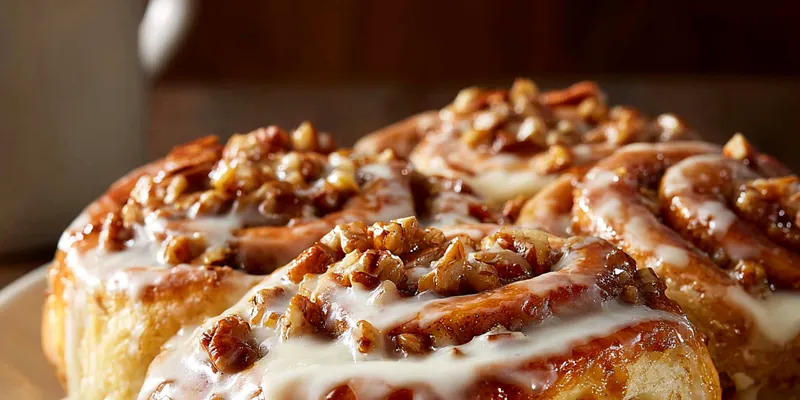
These Apple Pie Stuffed Cinnamon Rolls are the ultimate fall comfort food, combining two beloved classics into one irresistible breakfast treat. Soft, fluffy cinnamon roll dough is filled with warm spiced apples, cinnamon sugar, and crunchy pecans, then finished with a sweet vanilla glaze. Perfect for weekend brunch, holiday mornings, or any time you want to impress your family with something truly special.

Why These Apple Pie Cinnamon Rolls Are Special
What sets these Apple Pie Stuffed Cinnamon Rolls apart from regular cinnamon rolls is the addition of freshly cooked apple pie filling layered right into the dough. Instead of just cinnamon and sugar, you get tender, spiced apple chunks in every bite, creating a more complex and satisfying flavor profile. The apples are cooked down with brown sugar, cinnamon, and nutmeg until they're soft and fragrant, then cooled before being spread over the dough to prevent a soggy interior.
The dough itself is a soft, enriched yeast dough that rises beautifully and stays tender even after baking. Unlike dense, cake-like cinnamon rolls, these have a light, pull-apart texture that's perfect for soaking up the vanilla glaze. The addition of chopped pecans or walnuts adds a delightful crunch that contrasts beautifully with the soft dough and tender apples. Each element works together to create a bakery-worthy treat that's surprisingly achievable at home.
💡 Professional Tip
Always let your apple filling cool completely before spreading it on the dough. Warm filling will activate the yeast prematurely and create a soggy, uneven texture. I usually make the filling the night before and refrigerate it for best results.
Frequently Asked Questions
Absolutely! You can prepare these rolls up to the point of the second rise, then cover tightly and refrigerate overnight. In the morning, let them sit at room temperature for 30 minutes while you preheat the oven, then bake as directed. You can also freeze unbaked rolls for up to 2 months—just thaw overnight in the refrigerator before the final rise and baking.
Granny Smith apples are my top choice because they hold their shape during cooking and provide a nice tart contrast to the sweet dough and glaze. Honeycrisp and Braeburn apples also work wonderfully. Avoid softer apples like Red Delicious or McIntosh, as they'll break down too much during cooking and create a mushy filling.
While homemade dough gives the best results, you can use store-bought pizza dough or refrigerated cinnamon roll dough in a pinch. If using pizza dough, let it come to room temperature and roll it thinner than you would homemade dough. The texture won't be quite as fluffy, but you'll still get delicious results with much less prep time.
Yes! If you have nut allergies, simply omit them entirely—the rolls will still be delicious. For a different texture, try substituting with toasted coconut flakes, sunflower seeds, or even chocolate chips. Some people love adding raisins or dried cranberries for extra fruit flavor.
The rolls are done when they're golden brown on top and the edges are slightly darker and caramelized. If you insert a toothpick into the center of a middle roll, it should come out clean or with just a few moist crumbs—not wet batter. The internal temperature should reach 190°F. Don't overbake or they'll become dry.
These Apple Pie Stuffed Cinnamon Rolls are substantial enough to be served on their own, but they pair beautifully with crispy bacon, scrambled eggs, or a fresh fruit salad for a complete brunch spread. A hot cup of coffee, chai tea, or apple cider complements the warm spices perfectly. For dessert service, add a scoop of vanilla ice cream alongside a warm roll.
While yeast gives these rolls their signature fluffy texture, you can create a quick version using biscuit dough or a baking powder-based dough. Mix 3 cups flour, 1/4 cup sugar, 4 teaspoons baking powder, and 1/2 teaspoon salt. Cut in 6 tablespoons cold butter, then stir in 1 cup milk. Roll out and fill as directed, then bake at 375°F for 18-20 minutes. The texture will be more biscuit-like but still delicious.
Store leftover rolls in an airtight container at room temperature for up to 2 days, or refrigerate for up to 5 days. To reheat, wrap individual rolls in a damp paper towel and microwave for 20-30 seconds, or warm in a 300°F oven for 8-10 minutes. You can also freeze baked rolls for up to 3 months—thaw overnight and reheat before serving.
Recipe Troubleshooting Guide
Dough Won't Rise
Problem: Your dough hasn't doubled in size after an hour, staying flat and dense.
Solution: Check that your yeast was fresh and not expired. The milk temperature should be between 105-110°F—too hot kills the yeast, too cold prevents activation. Place the dough in a warmer location, like an oven with just the light on, or near a warm (not hot) stovetop. Give it more time if needed, up to 90 minutes.
Rolls Are Too Dense
Problem: The baked rolls are heavy and cake-like instead of light and fluffy.
Solution: This usually happens from adding too much flour or not kneading the dough enough. The dough should be slightly sticky but manageable. Knead for the full 5-7 minutes to develop gluten structure. Also ensure you're allowing proper rise time—rushing the process results in dense rolls.
Filling Leaks Out
Problem: The apple filling is oozing out during baking, creating a mess in the pan.
Prevention: Make sure the apple filling is completely cooled before spreading it on the dough. Don't overfill—use just enough to create a thin, even layer. Roll the dough tightly but not so tight that it squeezes out the filling. Place rolls seam-side down in the pan to help seal them.
Bottom of Rolls Burns
Problem: The bottoms are dark brown or burnt while the tops are still pale.
Recovery: Place your baking pan on the middle oven rack, not the bottom. If your oven runs hot on the bottom, place a baking sheet on the rack below to deflect heat. You can also reduce the oven temperature by 25°F and bake slightly longer. Consider using a light-colored metal pan instead of dark or glass.
Glaze Is Too Thick or Thin
Problem: The glaze won't drizzle properly—it's either too runny or too stiff.
Prevention: For glaze that's too thick, add milk one teaspoon at a time until you reach a pourable consistency that slowly drips off a spoon. For glaze that's too thin, whisk in more powdered sugar a tablespoon at a time. The ideal consistency should be similar to thick cream—it should coat the back of a spoon but still flow.
Flavor Balance Issues
Too Sweet: If rolls are too sweet, reduce the brown sugar in the filling by 2-3 tablespoons and use tart Granny Smith apples. You can also skip the glaze and dust with powdered sugar instead.
Too Salty: If rolls taste too salty, check that you measured the salt correctly (1/2 teaspoon total). Use unsalted butter only. In future batches, reduce salt by half.
Bland: If rolls lack flavor, increase the cinnamon and nutmeg in both the dough and filling. Add a pinch of cardamom or allspice to the apple filling. Make sure you're using fresh spices—old cinnamon loses its potency.
Selecting the Best Ingredients
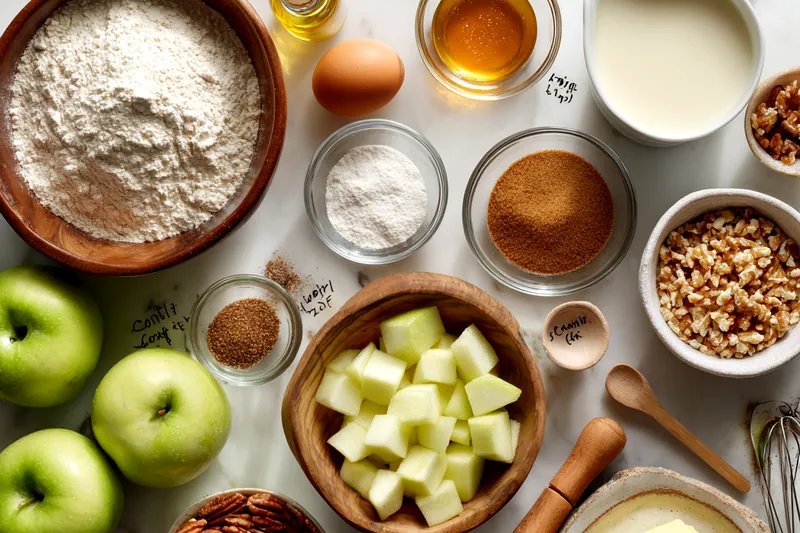
The quality of your ingredients directly impacts the final result of these Apple Pie Stuffed Cinnamon Rolls. Start with fresh, crisp apples—they should feel firm when squeezed and have no soft spots or bruises. Granny Smith apples are ideal because their tartness balances the sweetness of the sugar and glaze, and they maintain their texture during cooking without becoming mushy. If you prefer a sweeter apple flavor, Honeycrisp or Pink Lady apples work beautifully and add a subtle floral note.
For the dough, use bread flour if you want an extra-fluffy texture with more chew, or stick with all-purpose flour for a more tender, cake-like crumb. Always check the expiration date on your yeast—expired yeast won't activate properly and your rolls won't rise. Use high-quality butter (European-style with higher fat content if possible) for the richest flavor. Fresh ground cinnamon makes a noticeable difference compared to old, stale spice—if your cinnamon has been in the cupboard for over a year, it's time to replace it.
Essential Ingredient Notes
- Apples: Choose firm, tart apples like Granny Smith that hold their shape when cooked. Peel and dice them into uniform 1/2-inch pieces so they cook evenly. Toss with a little lemon juice if preparing in advance to prevent browning.
- Butter: Use unsalted butter so you can control the salt level in the recipe. For the filling, the butter should be softened to room temperature for easy spreading. For the dough, melted butter incorporates more smoothly into the wet ingredients.
- Yeast: Active dry yeast needs to be proofed in warm liquid before adding to the dough. The liquid should be between 105-110°F—use a thermometer for accuracy. If the mixture doesn't become foamy after 5 minutes, your yeast is dead and you'll need to start over with fresh yeast.
Mastering the Cinnamon Roll Technique
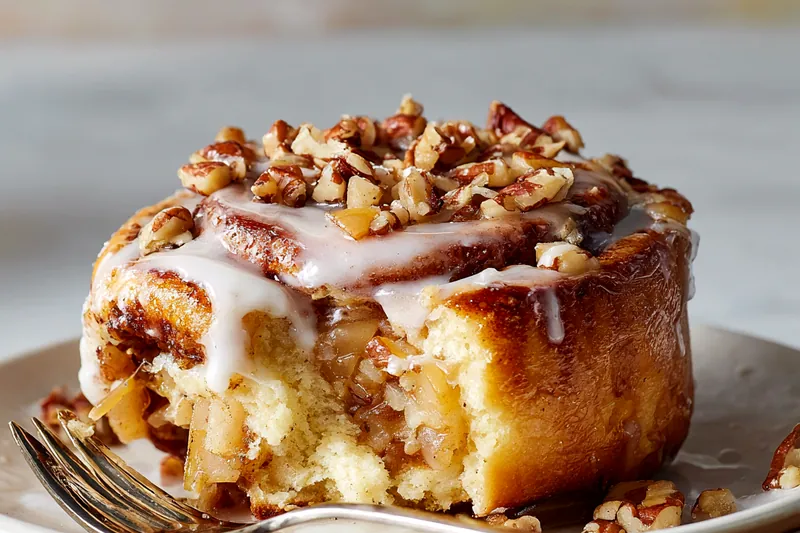
Creating perfect cinnamon rolls is all about technique and patience. When rolling out the dough, aim for an even thickness across the entire rectangle—about 1/4 inch thick works best. Use a ruler to measure your rectangle (16x12 inches) to ensure consistent sizing, which results in evenly-sized rolls. Spread the softened butter all the way to the edges; this helps the dough roll without cracking and ensures every bite is flavorful. When spreading the apple filling, use a light hand and leave a 1/2-inch border along the top long edge—this helps the roll seal properly.
The rolling technique is crucial: start from the long edge closest to you and roll away from your body, keeping the roll tight but not so tight that you squeeze out the filling. Use your fingertips to keep the roll even and tuck in any filling that tries to escape. Once rolled, use a sharp serrated knife or unflavored dental floss to cut the rolls—dental floss gives the cleanest cuts without squishing the delicate dough. Place rolls with the seam side down in your prepared pan, spacing them about 1 inch apart to allow for the second rise. This spacing ensures they rise up instead of spreading out, creating those beautifully tall, fluffy rolls.
Perfect Roll Cutting Technique
To cut rolls without squishing them, use unflavored dental floss. Slide a piece of floss under the rolled dough log, cross the ends over the top where you want to cut, and pull quickly and firmly. This creates clean slices without compressing the layers. Alternatively, use a very sharp serrated knife with a gentle sawing motion—never press straight down.
Apple Pie Stuffed Cinnamon Rolls
📋 Ingredients
For the Apple Filling
- 1 cup powdered sugarSifted for a smooth glaze
- 2-3 tablespoons milkAdjust for desired consistency
- 1/2 teaspoon vanilla extractEnhances the sweetness
For the Dough
- 4 cups all-purpose flourSpoon and level for accuracy
- 1/3 cup granulated sugarFeeds the yeast and adds sweetness
- 1 packet (2 1/4 tsp) active dry yeastCheck expiration date for freshness
- 1 cup warm milk (110°F)Temperature is critical for yeast activation
- 1/4 cup unsalted butter, meltedAdds richness to the dough
- 1 large eggRoom temperature works best
- 1/2 teaspoon saltEnhances overall flavor
- 3 medium apples, peeled and dicedGranny Smith recommended
- 1/2 cup brown sugar (for filling)Packed measurement
- 2 teaspoons ground cinnamon (for filling)Use fresh cinnamon for best flavor
- 1/4 teaspoon nutmegFreshly grated if possible
- 2 tablespoons unsalted butter (for filling)For cooking the apples
- 1/4 cup softened butterFor spreading on rolled dough
- 1/3 cup brown sugar (for layering)Mixed with cinnamon
- 1 tablespoon ground cinnamon (for layering)Creates the signature swirl
- 1/2 cup chopped pecans or walnutsOptional but highly recommended
Instructions
Prepare the Dough
In a large mixing bowl, combine warm milk, sugar, and yeast. Let sit for 5 minutes until foamy. Add melted butter, egg, and salt, mixing well. Gradually add flour, one cup at a time, until a soft dough forms. Knead for 5-7 minutes until smooth and elastic. Place in a greased bowl, cover, and let rise in a warm place for 1 hour until doubled.
Make Apple Pie Filling
While dough rises, melt 2 tablespoons butter in a skillet over medium heat. Add diced apples, brown sugar, cinnamon, and nutmeg. Cook for 8-10 minutes, stirring occasionally, until apples are tender and mixture is slightly thickened. Remove from heat and let cool completely.
Roll and Fill
Once dough has doubled, punch it down and roll out on a floured surface into a 16x12 inch rectangle. Spread softened butter evenly over the dough. Mix brown sugar and cinnamon together, then sprinkle over the butter. Spread the cooled apple filling evenly over the cinnamon sugar layer. Sprinkle chopped nuts on top.
Shape and Rise
Starting from the long edge, tightly roll the dough into a log. Cut into 12 equal slices using a sharp knife or dental floss. Place rolls in a greased 9x13 inch baking pan, leaving space between each. Cover and let rise for 30 minutes.
Bake
Preheat oven to 350°F. Bake rolls for 22-25 minutes until golden brown and cooked through. The tops should be lightly golden and the edges slightly caramelized.
Make Glaze and Serve
While rolls bake, whisk together powdered sugar, milk, and vanilla extract until smooth. When rolls are done, let cool for 5 minutes, then drizzle glaze generously over the warm rolls. Serve immediately while warm and gooey.
Recipe Notes & Tips
Storage
Store leftover rolls in an airtight container at room temperature for up to 2 days, or refrigerate for up to 5 days. Reheat in the microwave for 20-30 seconds or in a 300°F oven for 8-10 minutes. Freeze baked rolls for up to 3 months.
Serving Suggestions
Serve warm with crispy bacon and scrambled eggs for brunch, or as dessert with vanilla ice cream. Pair with hot coffee, chai tea, or apple cider for the perfect fall morning.
Variations
Try substituting pears for apples, add raisins or dried cranberries to the filling, use maple syrup glaze instead of vanilla, or add a cream cheese frosting layer under the glaze for extra indulgence.