Apple Cider Braised Pork Shoulder with Fall Vegetables
This apple cider braised pork shoulder transforms tough meat into incredibly tender, fall-apart perfection. The sweet apple cider balances beautifully with savory herbs and vegetables for the ultimate autumn comfort meal.


Why Apple Cider Braising Works
Braising is a combination cooking method that uses both dry and moist heat to transform tough cuts of meat into tender, flavorful dishes. The pork shoulder, with its marbled fat and connective tissue, is perfect for this technique. When braised slowly, the collagen breaks down into gelatin, creating that melt-in-your-mouth texture we all crave. The initial searing creates a flavorful crust that adds depth to the final dish.
Apple cider brings natural sweetness and acidity that helps tenderize the meat while infusing it with quintessential fall flavors. The sugars in the cider caramelize during cooking, creating complex flavor layers. Unlike wine-based braises, apple cider creates a family-friendly dish that pairs beautifully with autumn vegetables. The acidity helps balance the rich pork fat, while the apple notes complement the meat without overpowering it.
💡 Professional Tip
For the deepest flavor, use fresh pressed apple cider rather than filtered apple juice. The sediment and natural cloudiness contain concentrated apple flavors that will elevate your braising liquid.
Frequently Asked Questions
Absolutely! This dish actually improves with time. You can braise the pork completely up to 3 days ahead, then gently reheat on the stovetop or in a 300°F oven. The flavors will deepen and meld beautifully. Just add the fresh vegetables during reheating if you want them to maintain some texture.
While apple cider gives the best flavor, you can substitute with apple juice mixed with 2 tablespoons of apple cider vinegar, or use white wine with a tablespoon of honey. Each will create a different but delicious flavor profile.
Yes, browning is crucial for developing deep flavor. This Maillard reaction creates hundreds of flavor compounds that can't be achieved through braising alone. Don't skip this step - it's what separates good braised meat from extraordinary braised meat.
You can use any heavy, oven-safe pot with a tight-fitting lid. A slow cooker also works - brown the meat in a skillet first, then transfer everything to the slow cooker for 6-8 hours on low.
The pork is done when it easily shreds with a fork and has an internal temperature of 195-205°F. The meat should fall apart when gently prodded, and the braising liquid should be rich and glossy. If it's still tough, continue cooking in 30-minute intervals.
This pairs beautifully with creamy mashed potatoes, buttered egg noodles, or crusty bread to soak up the delicious braising liquid. For vegetables, try roasted Brussels sprouts, sautéed green beans, or a simple arugula salad to cut through the richness.
Definitely! Root vegetables like parsnips, turnips, or sweet potatoes work wonderfully. Add harder vegetables like potatoes and carrots in the last 45 minutes, and quicker-cooking vegetables like mushrooms or green beans in the final 15 minutes.
Store leftovers in the refrigerator for up to 4 days in an airtight container with the braising liquid. For longer storage, freeze for up to 3 months. The fat will solidify on top when cold - this actually helps preserve the meat and adds flavor when reheated.
Recipe Troubleshooting Guide
Tough Meat
Problem: The pork is still tough after the recommended cooking time.
Solution: Continue braising in 30-minute intervals. Tough meat simply needs more time. Ensure your oven temperature is accurate and the pot is properly covered to maintain moisture.
Dry Meat
Problem: The pork turned out dry despite braising.
Solution: This usually means the liquid evaporated or the temperature was too high. Always ensure the meat is mostly submerged and cook at a gentle simmer, not a rolling boil.
Weak Flavor
Problem: The braising liquid lacks depth and richness.
Prevention: Remove the meat and vegetables, then simmer the braising liquid uncovered to concentrate flavors. You can also add a splash of apple cider vinegar or a pinch of brown sugar to enhance the taste.
Greasy Result
Problem: The finished dish is too greasy or oily.
Recovery: Skim fat from the surface with a ladle, or refrigerate overnight and remove the solidified fat layer. You can also use a fat separator for immediate results.
Mushy Vegetables
Problem: The vegetables became overcooked and mushy.
Prevention: Add vegetables in stages based on cooking time. Root vegetables need 45 minutes, while softer vegetables like mushrooms only need 15 minutes. Remove vegetables when tender and return them at serving time.
Flavor Balance
Too Sweet: Add a splash of apple cider vinegar or lemon juice to balance excess sweetness from the cider.
Too Salty: Add diced apples or a small amount of brown sugar to counteract oversalting, or dilute with more apple cider.
Bland: Increase seasoning with salt, pepper, and fresh herbs. A splash of apple cider vinegar can also brighten flat flavors.
Selecting the Best Ingredients
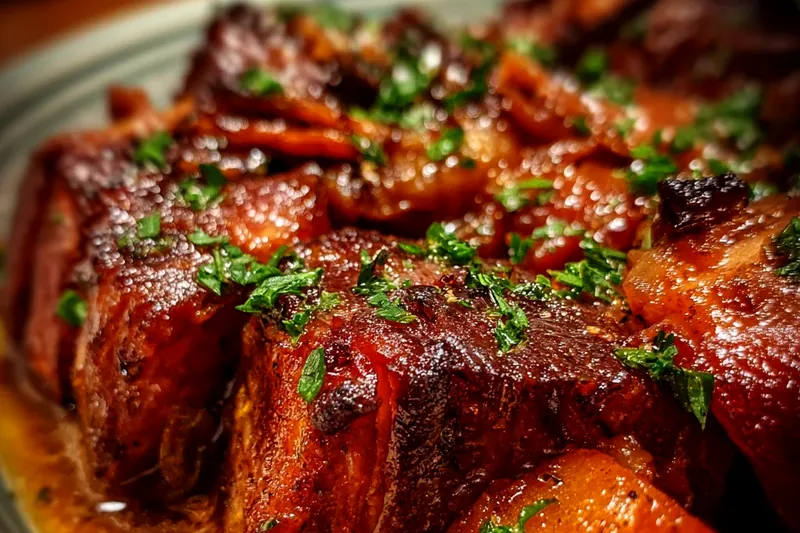
The key to exceptional braised pork lies in choosing the right cut of meat. Pork shoulder, also called Boston butt, is ideal because of its marbling and connective tissue. Look for pieces with good fat distribution throughout - this fat renders during cooking, keeping the meat moist and flavorful. Avoid lean cuts like tenderloin, which will dry out during the long cooking process. Your butcher can cut the shoulder into chunks if needed.
Fresh apple cider makes all the difference in this recipe. Seek out local orchards or farmer's markets for unpasteurized, unfiltered cider when possible. The natural sediment and cloudiness indicate concentrated apple flavors that will enhance your braising liquid. If using store-bought cider, choose brands that are minimally processed and avoid those with added sugars or artificial flavors. The cider should taste bright and tart with natural apple sweetness.
Essential Ingredient Notes
- Pork Shoulder: Choose well-marbled pieces with visible fat streaking. The fat should be white, not yellow, indicating freshness.
- Apple Cider: Use fresh, unfiltered cider for the best flavor. It should smell fragrant and taste tart-sweet, not overly sugary.
- Fresh Herbs: Fresh thyme and rosemary are essential. Their oils infuse the braising liquid with aromatic compounds that dried herbs can't match.
Mastering the Braising Technique
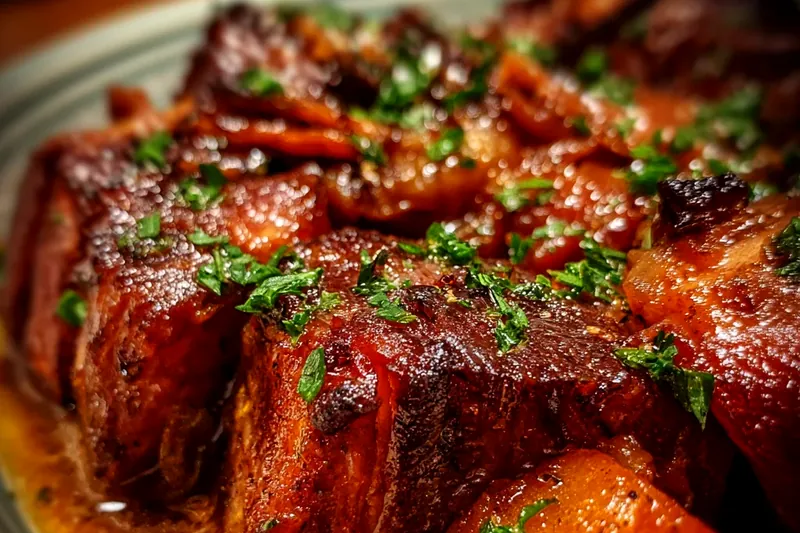
Proper braising requires patience and attention to temperature control. The initial searing at high heat develops flavor through the Maillard reaction, creating those beautiful caramelized surfaces. Don't overcrowd the pan when browning - work in batches if necessary to ensure even browning. After adding the liquid, the cooking should happen at a gentle simmer, around 325°F in the oven. This low, steady heat allows the tough connective tissues to break down slowly without drying out the meat.
The braising liquid should come about two-thirds up the sides of the meat - not completely covering it. This allows the exposed portions to develop a slightly different texture while staying moist from the steam. Keep the pot covered tightly to prevent moisture loss, but remove the lid in the final 30 minutes to allow some liquid reduction and concentrate flavors. The finished braising liquid should be rich, glossy, and full-bodied enough to serve as a sauce.
Temperature Control
Maintain a gentle simmer throughout braising. If the liquid bubbles vigorously, reduce oven temperature by 25°F. The surface should show occasional gentle bubbles, not a rolling boil that can toughen the meat.
Apple Cider Braised Pork Shoulder with Fall Vegetables
📋 Ingredients
Meat & Seasonings
- 2 cups apple ciderUse fresh, unfiltered cider for best flavor
- 1 cup chicken brothLow-sodium preferred for better control
- 2 tablespoons apple cider vinegarAdds brightness and helps tenderize
- 2 bay leavesRemove before serving
- 2 sprigs fresh thymeFresh herbs provide better flavor than dried
- 1 sprig fresh rosemaryUse sparingly as it can overpower
Vegetables & Liquids
- 4 pounds pork shoulder, cut into 3-inch chunksLook for well-marbled pieces with good fat distribution
- 2 tablespoons olive oilFor browning the meat
- 1 large onion, slicedYellow or white onions work best
- 3 carrots, cut into 2-inch piecesPeel and cut on the diagonal
- 3 celery stalks, cut into 2-inch piecesInclude some leaves for extra flavor
- 4 garlic cloves, mincedFresh garlic is essential
- 2 Honeycrisp apples, quarteredChoose firm apples that won't break down completely
- 1 pound baby potatoes, halvedLeave skins on for texture and nutrition
- 1 teaspoon saltKosher salt preferred
- 1/2 teaspoon black pepperFreshly ground for best flavor
Instructions
Step 1
Preheat oven to 325°F. Season pork shoulder chunks generously with salt and pepper on all sides.
Step 2
Heat olive oil in a large Dutch oven over medium-high heat. Brown pork pieces on all sides, about 8-10 minutes total. Remove pork and set aside.
Step 3
Add onions, carrots, and celery to the same pot. Cook for 5 minutes until softened. Add garlic and cook for 1 minute until fragrant.
Step 4
Pour in apple cider and chicken broth, scraping up any browned bits from the bottom. Add apple cider vinegar, bay leaves, thyme, and rosemary.
Step 5
Return pork to the pot, ensuring liquid covers most of the meat. Bring to a simmer on stovetop.
Step 6
Cover tightly and transfer to preheated oven. Braise for 2.5 hours until pork is fork-tender.
Step 7
Add apple quarters and baby potatoes to the pot. Continue braising uncovered for 30 minutes until vegetables are tender.
Step 8
Remove bay leaves and herb sprigs. Taste and adjust seasoning. Let rest 10 minutes before serving with the braising liquid.
Recipe Notes & Tips
Storage
Store leftovers in refrigerator for up to 4 days or freeze for up to 3 months. The fat will solidify on top when cold - this helps preserve the meat and adds richness when reheated.
Serving Suggestions
Serve over mashed potatoes, egg noodles, or with crusty bread. The rich braising liquid makes an excellent sauce. Pair with simple green vegetables to balance the richness.
Variations
Try adding parsnips, sweet potatoes, or mushrooms. For a deeper flavor, substitute half the cider with dry white wine. Add a cinnamon stick or star anise for warm spice notes.